VdF's hidden talents
Lesser-known French grapes that may be found in VdF wines
Katie Mather
Wednesday 17 June 2026

This article is from
Vin de France
issue 63
Share this article
France is more than its noble grapes, and French wine would not be so highly respected and admired were it not for the hardworking, lesser-known grapes made into regional-specific wines. These rarer grapes are memories of a time when French wine was being made in every cellar and on every farm, building France’s wine industry bottle by bottle. Their continued use stops them from going extinct, as so many grapes already have, and being able to be blended into Vin De France wines from all over the country ensures they will continue to be a part of the country’s rich winemaking heritage.
In Burgundy, fresh and zesty high acid Aligoté was always seen as the farmers’ wine. Not as popular as Chardonnay, but with its own strengths, it has historically been used as a blending grape in Cremant de Bourgogne wines, and drunk with creme de cassis as a kir. Its popularity is growing now, however, with winemakers enjoying the crisp, green apple flavour and white blossom aromas and putting their hand towards making more elegant variations of this traditionally rustic wine.
For a small grape, Petit Manseng can pack in a lot of sugar, which is what makes it the perfect grape to blend with wines that may have too much puckering acidity due to a cool summer or a later ripening. Usually found in Piedmont, it’s originally from the Béarn Pyrenées, and grows best in rocky, deep soils. If you can imagine how a sweet Gewurtztraminer can also convey a complex world of aromatics, this is exactly what Petit Manseng can do too—baking spices mingle with ripe tropical fruits like pineapple and mango, peach and grapefruit. It can make a beautiful dessert wine.
In contrast, Gros Manseng is high in acid and used to make dry or off-dry wines. This grape comes from the same region as its Petit Manseng brother, and has some of the same spicy aromatics, but it prefers limestone soils. The resulting wine is zippy and high in alcohol, reaching 13% ABV, with flavours of apricot and marmalade oranges, quince, ripe pear and kumquat. It’s high alcohol and good levels of acidity make it a useful blending grape for wines that might need a bit of oomph.
Found in Beaujolais but originally from Switzerland, Gamaret de France is actually a crossing of Gamay and Reichensteiner—Reichensteiner being itself a cross between Müller-Thurgau and Madeleine Angevine x Calabreser Froehlich. This could go on and on; if you’re interested in grape crossings, please do get into the thick of it, it’s a vibrant world! It was created to withstand mildew and damp weather, and its prevalent blackberry notes have made some winemakers quite fond of it as a blending grape for Gamay. It is, of course, delicious on its own if the acidity is high enough, and it has a bit of a chocolatey aroma too for good measure.
Berry-rich Marselan is a cross between Cabernet Sauvignon and Grenache, and has been patented as a stand-alone variety since 1961. The grapes on a Marselan vine are small and concentrated, bearing juice that is strong in flavour and deeply aromatic and full of bramble fruit flavours. It has soft tannins that age well, and so they are ideal for blending with bolder, tannin-heavy wines to create a smoother, more velvety mouthfeel. Marselan likes warm temperatures and needs a long summer season to properly ripen, and it stands up to drought because of its preference for dry soils.
Originally from the mountains of Switzerland, Chasselas is a bitingly dry white wine that’s also enjoyed as a table grape. Lemon juice and zest are the main aromas, with white blossom bringing in a touch of complexity. This elegant wine is a traditional pairing for raclette, and suits other strong-flavoured cheeses because of its subtle flavour and silky body. In the Loire region, winemakers blend Chasselas with Sauvignon Blanc to create Pouilly-sur-Loire, an easy-drinking, light-bodied wine that’s highly terroir-specific to the clay and flint soils of the local area. French winemakers in other regions can blend these grapes too, making an unofficial version of Pouilly-sur-Loire but still completely delicious and relevant under the Vin De France designation.
The beauty of Ugni Blanc is that it can create wines of different characters depending on the climate and terroir of the regions it is planted. In the sunny south of France, Ugni Blanc takes on a juicy, full-bodied personality, but in the cooler regions it becomes a quietly composed wine with bags of acidity and sharp structure. Citrus and orchard fruits are this grape’s main flavour profile, and so it blends perfectly with grapes which have a lime or green apple note running through them like Picpoul, or neutral, high-acid varieties like Colombard. Ugni Blanc is a very easy vine to please, and so it is widely cultivated across France’s many wine regions—it is actually native to Italy, but is much more commonly found in France.
In the south west of France, Braucol is this region’s answer to more northerly, lighter-style red wines such as Cabernet Franc. Its medium to light body and high acidity and tannins lend this grape to blending with bolder wines to give them some edge and structure, however you may also find this grape in a rose style wine too. This variety has another name—Fer Servadou, the Fer part meaning “iron” because of the vine’s toughness and the wood’s strength. With spicy aromas and of liquorice and fruit flavours of blackcurrant and strawberry, this is an interesting wine to seek out, particularly as single variety Braucol is starting to make its way across the English Channel.
Share this article
You’ve reached your limit of 5 free articles this month.
Unlock unlimited access and more
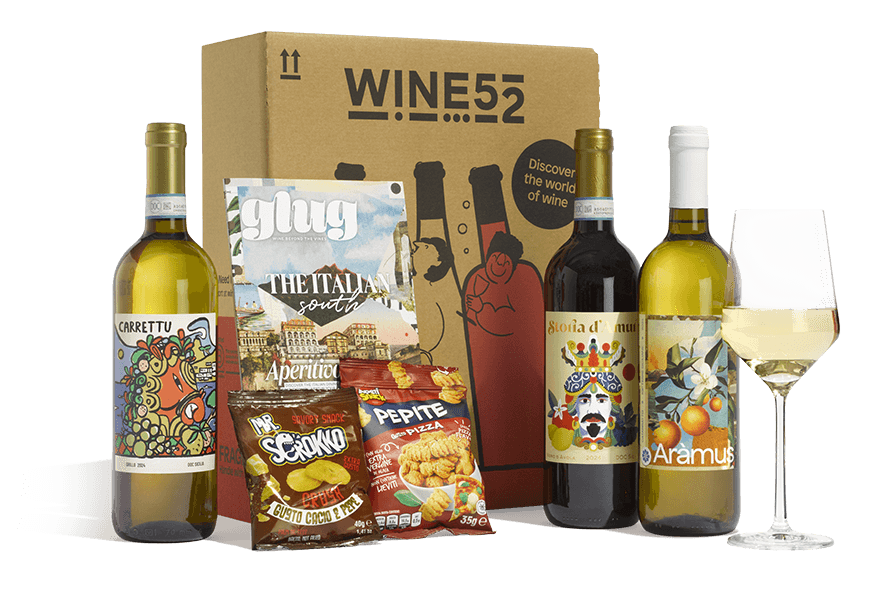
Join Wine52 and get your first month half price
-
Get your first box for £18 (RRP £36).
-
3 wines & 2 snacks delivered monthly.
-
Printed Glug magazine included.
-
Unlimited access to all online content.


