Blending wine
What it means and how it’s done
Katie Mather
Wednesday 17 June 2026

This article is from
Vin de France
issue 63
Share this article
The whole premise of Vin De France is that wine made from any grapes in any part of France can be blended with another. It doesn’t sound very radical on the surface, but France—like most wine-making nations—has strict regulations in place to protect the origin and content of the wines made within its specific wine regions. This is why a winemaker couldn’t just buy Carignan from the Occitanie to blend in with their vintage and call it a Bordeaux; there are laws to prevent fraudulent trading under more valuable wine styles and appellation names. In theory this protects the customer, but it also restricts the winemaker somewhat, enabling them to be creative only within the tight parameters of their specific AOC.
Blending is a big part of Vin De France’s blueprint for a more dynamic wine landscape. Unbound by appellation legislation, wines made to be sold under the VDF designation can be made from any grapes from any part of the country. So, how is it done?
Contrary to what you might think, blended wines are not inferior. Blending is both an art and a science, using two or more different wines to create a single wine with balance, clarity and integrity. Blending is done in the winery using the winemaker’s skill and experience, and many of the world’s most popular and highly regarded wines are made this way. The winemaker can improve the flavour and complexity of their wine by blending, choosing to balance acidity, tannins, colour, sugar content and the flavours of the wines themselves by integrating different grape varieties, regions or even vintages of the same wine. Non-Vintage Champagne, for example, is made by blending Champagnes by the same winemaker from different vintages or years of production.
***
Step One | The wine must be pressed from grapes and fermented. Wines can be blended at any stage, with some winemakers choosing to press different grape varieties simultaneously so that they co-ferment. A safer option is to allow the wine to ferment and develop, and then use the wine in a more finished state to blend with other wines. This way is simpler, as the flavour and characteristics of the wines are easier to imagine as a finished blend.
Step Two | The winemaker tastes the base wine and decides what it needs. If it is too flabby or too sweet, for example, it may need more acidity. If it is too tannin-rich, it may need to be calmed down with a wine of a lower tannin content.
Step Three | The blending wine or wines are chosen based on what the base wine requires. In VDF wines, anything goes: Red and white wines can be blended together, wines from other regions can be used, and different techniques such as oak ageing and amphora vessels can be used for adding more complexity too.
Step Four | Depending on the wine’s readiness and the winemaker’s preference, once blended it can be packaged and enjoyed, or placed back in the cellar for further maturing.
Share this article
You’ve reached your limit of 5 free articles this month.
Unlock unlimited access and more
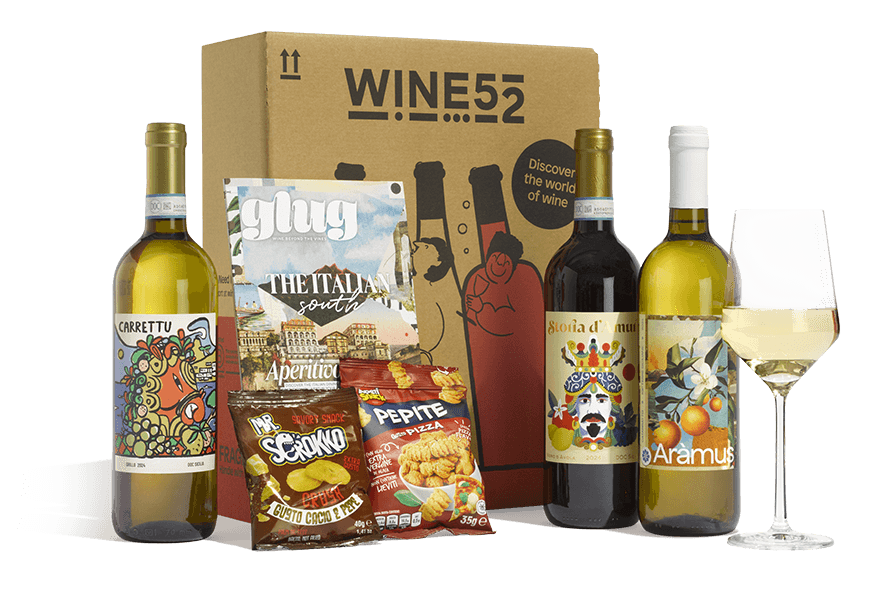
Join Wine52 and get your first month half price
-
Get your first box for £18 (RRP £36).
-
3 wines & 2 snacks delivered monthly.
-
Printed Glug magazine included.
-
Unlimited access to all online content.


