Pét-Nat
What it is and why it’s found within the VdF designation
Katie Mather
Wednesday 17 June 2026
This article is from
Vin de France
issue 63
Share this article
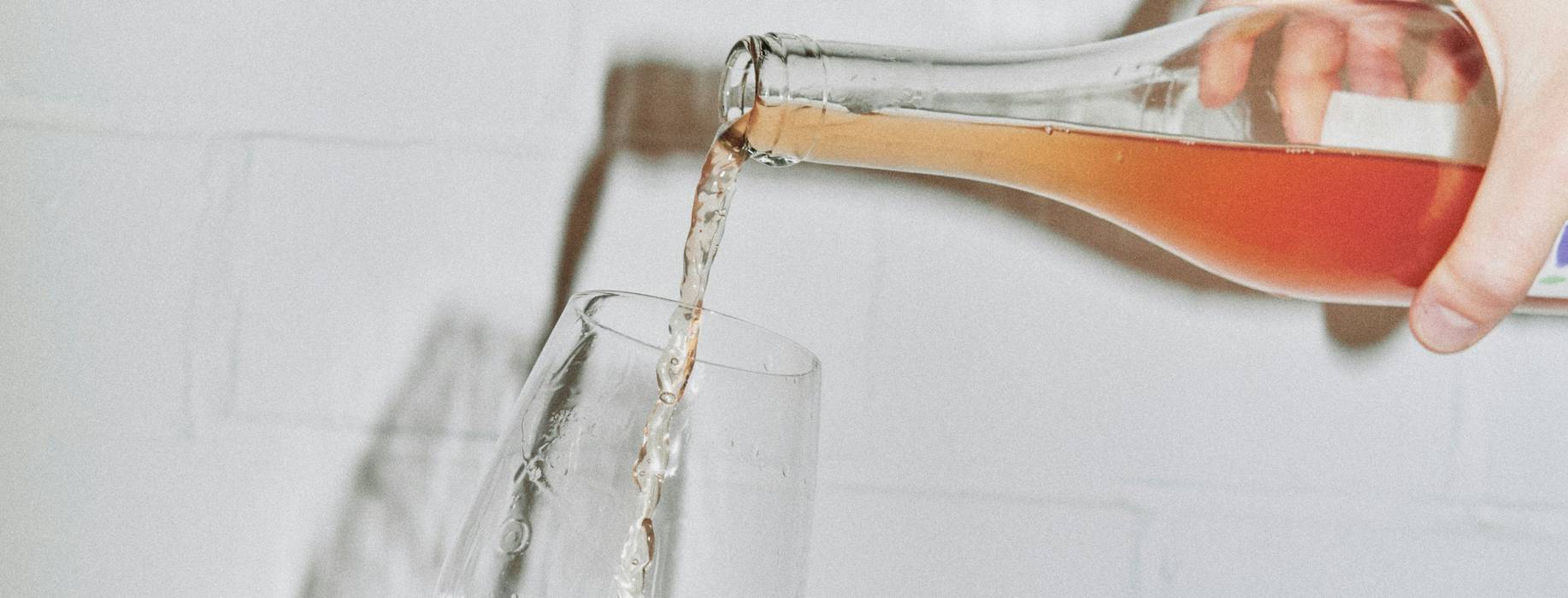
The vast appeal of pét-nat wines is easy to understand. They’re incredibly appealing. Light, bright, bubbly wines that fizz with fruity flavours, they are the fun, laid-back cousins of Champagne, the cool younger sisters of Crémant. In clear bottles with crown caps and funky labels, they glow in the colours of gemstones; citrine, quartz, carnelian.
Their seemingly sudden appearance in the bars and wine lists of Britain sometime in the last 10 years has a lot to do with the natural wine boom—not all pét-nats have to be natural, but a lot of low intervention winemakers enjoy making them. And why not? They’re fun and delicious, and they open up the door for a lot of creativity in the winery. The chances are that even if you’re not the type of wine drinker who frequents hip bars with their own DJ in situ, if you’ve been trying wines in any small plates-adjacent restaurants lately, you’ve come across one or two of these sparkly little jewels. They pair fantastically with food.
Vin De France allows pét-nat wines within its designation because all that matters within their rules is that the grapes used and the winery itself are from France. After that, a winemaker can make whatever they like. You won’t often find a pét-nat with an AOC or an IGP because of the way they are made—sparkling wines usually have specific regulations to adhere to like grape varieties and the length of time they are aged before they can be released as wines like Crémant de Loire and Champagne. Pét-nats don’t have to do any of that.
The fun part of pét-nat making is that it’s secretly just like natural method Champagne. The wine is first pressed as juice from the grapes—which as per VDF rules, can be from anywhere, and of any variety—and then it is left to ferment with its naturally-occurring yeasts.
To create the foamy fizz, the wine needs to either be bottled before all the sugar is converted into alcohol, or it must have a touch of sugar added at the bottling stage. This step is called dosage, and the winemaker can use unfermented grape juice, or just sugar, to kick-start the yeast once more. The bottles are sealed, and the yeast gets to work converting the newly-added sugar and producing carbon dioxide as a by-product. Voilá, your bubbles.
Pét-nat producers sometimes choose not to disgorge their wines, or at least leave some of the yeast in the bottle, which is why you might see flakes or sediment in a wine. This trend got more and more outrageous towards the early 2020s, however more elegant examples are becoming the status quo, and chunks are no longer de rigueur. Thank goodness. It’s hard to pour a wine for non-hipster friends and convince them that a bit of leftover lees isn’t going to kill them. But yet people continue to buy orange juice with bits in? Double standards, in my opinion.
Share this article
You’ve reached your limit of 5 free articles this month.
Unlock unlimited access and more
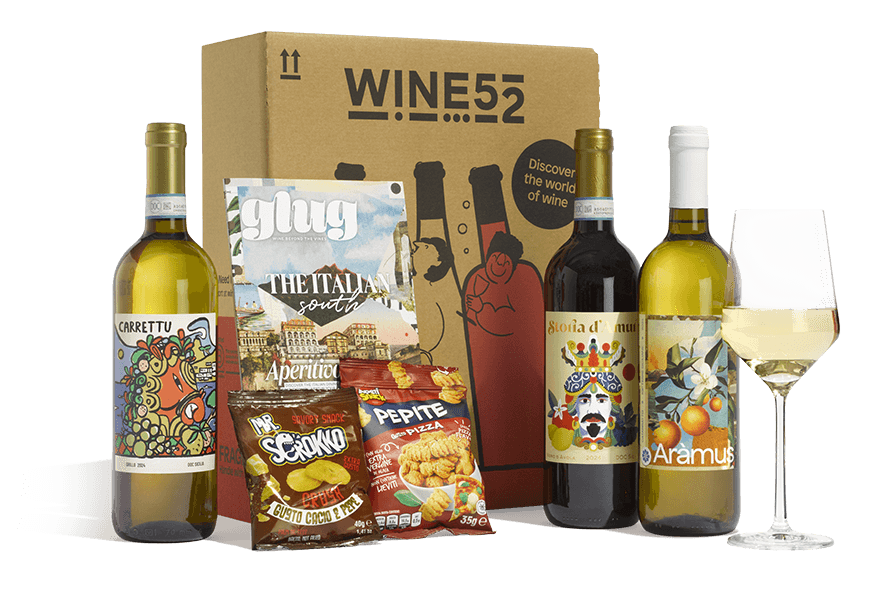
Join Wine52 and get your first month half price
-
Get your first box for £18 (RRP £36).
-
3 wines & 2 snacks delivered monthly.
-
Printed Glug magazine included.
-
Unlimited access to all online content.


