Hungary: A celebration
Modern Hungary is a model for wine appreciation without boundaries
Alia Akkam
Wednesday 09 September 2026
This article is from
Hungary
issue 66
Share this article
An intoxicating warmth permeates Budapest in December. During this festive season, bustling Christmas markets are aglow and mugs of steaming forralt bor (mulled wine) wrapped in cold hands are as much a fixture of these wonderlands as the chestnut-scented air and wooden stalls selling handpainted ornaments and jars of chile-tinged honey. But it’s not just the tourist-packed markets where this uplifting concoction is ladled out; all winter long, it’s clamoured-for at bars, cafes, and restaurants, a simple yet pervasive symbol of everyday Hungarian wine culture joyfully bringing friends and family together.
In Hungary, wine is easily threaded into the fabric of daily life, whether it’s kicking off summer with a light, aromatic Irsai Olivér at an al fresco dinner, or cosying up to a fireplace with a peppery Kékfrankos. These rituals, just like the holiday deluge of forralt bor, are often imbued with a muted, celebratory spirit. But there are certain elevated occasions that reinforce the impact wine has on shaping Hungarian lifestyles and nurturing social bonds.
Consider International Aszú Day. Amid the rush of decorating, office parties, and gift-buying, this annual event, commemorated on December 10, is an invitation to slow down and linger with a glass of luxurious, amber-hued Tokaji Aszú. Rather than keeping a bottle of Hungary’s most famous wine tucked away in the cellar for a fancy, multi-course dinner yet to be scheduled, the mission is to savour it now, on an ordinary evening with little fanfare.
International Aszú Day was founded in 2017 by the Hungarian wine expert and author Dániel Kézdy, the mastermind behind Furmint February, a campaign promoting Hungary’s flagship dry white wine. Essentially, the day is an homage to the botrytized sweet wine made in Tokaj, a UNESCO World Heritage Site in northeastern Hungary. This rich, complex dessert wine (which also pairs well with Asian dishes and roasted duck and chicken) shot through with vibrant acidity tastes of apricot and marmalade and is typically crafted from the Furmint and Hárslevelű grapes that thrive in Tokaj’s volcanic soils.
Come May, the village of Tarcal in Tokaj presents Enchanting Weekend, an annual wine festival fusing concerts, gastronomy, and cellar visits, which puts a contemporary spotlight on the world’s first officially classified and protected wine region. The same month, Budapest also welcomes oenophiles to the Wine & Sparkling Wine Festival that takes over Szabadság Square in the center of the city, as well as the Jazz & Wine Festival pulling in crowds at the open-air theater on idyllic Margaret Island. The vibe is similarly relaxed at Rosalia Borpiknik in Városliget (City Park). Here, locals laze on blankets atop the grass and sip rosé in the company of no-frills street food and lively DJ sets.
As the days grow warmer, terraces brim with locals reveling in sultry breezes and summer sunshine, and most of them have a fröccs by their side. This modest drink, a combination of chilled white or rosé wine and soda water served in a glass tumbler or plastic cup, takes mere seconds to whip up. What is most intriguing about this Hungarian wine spritzer is the array of available permutations. One might opt for a balanced kisfröccs that flaunts equal parts wine and soda, while another might spring for the nagyfröccs that’s heavier on the wine. The light hosszúlépés, lengthened with more soda water, comes in especially handy on scorching afternoons. Whichever form it’s relished in, the chilled and effervescent fröccs is a powerful conversation spark, an emblem of summer, synonymous with conviviality.
A relaxing, exuberant atmosphere also dominates Etyek, the vineyard-filled village some 30 kilometres west of Budapest. Twice a year, in spring and fall, Etyek is at its most boisterous because of Etyeki Piknik. At this event, visitors wander between cellars for tastings and feast on Hungarian specialities against the backdrop of live music. The same unpretentious countryside allure is on full display in Páty. Straddling Budapest and Etyek, the village is renowned for its fairytale-reminiscent stone press houses that dot forested Wine Cellar Hill. During Páty Cellar Days, a festival held in June, hangouts unfold over pizza and local wines at communal picnic tables.
Younger generations of Hungarians are likely to first encounter the importance of wines during casual family meals. Maybe they deepen their knowledge when decamping to Lake Balaton for the summer, observing the bright local whites poured alongside deep-fried hekk, a dish that can be made of multiple types of deep fried fish. As they grow older, wine becomes even more prevalent. Learning about specific appellations and vintages might not sustain their interest, but the experimental bottles shared with friends at wine bars and excursions planned to events like the Eger Wine Festival in July, where live music and the region’s well-known Egri Bikavér (Bull’s Blood) and Egri Csillag wines are illuminated in equal measure, provide an even more profound, organic education.
The Mecsek Hills, just north of Pécs, woos alternative music fans to Fishing on Orfű every June. This festival, which unfurls at the scenic Panorama Camping site overlooking Lake Orfű, further amplifies the nuances of wine in a low-key setting. For the first time, in 2026 organisers allowed festivalgoers to apply for and join the tasting jury panel determining the lineup of wines on offer at Borfalu, the festival’s dedicated wine village. This democratic process encouraged participation while helping to shatter the lingering notions of stuffiness and exclusivity surrounding wine.
Sziget, the behemoth music festival long invigorating Budapest’s Óbuda Island on the Danube River every August, is another chilled-out ambiance for sampling Hungarian wines beside food trucks, stages, and campers’ tents. Fueled by wine, tourists and locals alike dance, chat, and eat, becoming fast friends as Sziget morphs from daytime into nighttime without interruption. It’s a far more fun, effortless approach to discovering wines than poring over tasting notes.
Even more magical is the Budapest Wine Festival, which transforms the vast stone-walled Buda castle complex into an animated walkaround tasting each September. The largest wine event in Hungary, it juxtaposes historic promenades and ornamental terraces with hundreds of wines culled from each of the country’s dynamic regions. Both curious sommeliers and locals convene here, eager to try the newest bottlings.
This enthusiasm carries over to October, when the Villány Red Wine Festival, an impressive introduction to the region’s premium Cabernet Franc, beckons. October is also the time for Tokaj Harvest Days and Mór Days. Going strong since 1932, the former’s roster of wines is bolstered by a parade and artisan-made objects that reveal how closely related wine is to Hungary’s civic and craft realms. Much closer to Budapest, the latter is the harvest festival in Hungary’s smallest wine district that revolves around the versatile white Ezerjó wines once favoured by Habsburg royals.
Hungarian wines are diverse – from crisp, citrusy Olaszrizling to soft, Pinot Noir-style Kadarka – and sampling them in easy-going environments propelled by art, music, and merrymaking is a reminder that Hungary’s wine heritage is very much alive. Energetic festivals and carefree outdoor getaways will always play a pivotal role in Hungarian wine culture. Each glass may be layered with tradition and narrative, but the past doesn’t broodingly hang over the present in Hungary. Instead, it continuously evolves, molded repeatedly by the melding of memory, landscape, and sound.
Share this article
You’ve reached your limit of 5 free articles this month.
Unlock unlimited access and more
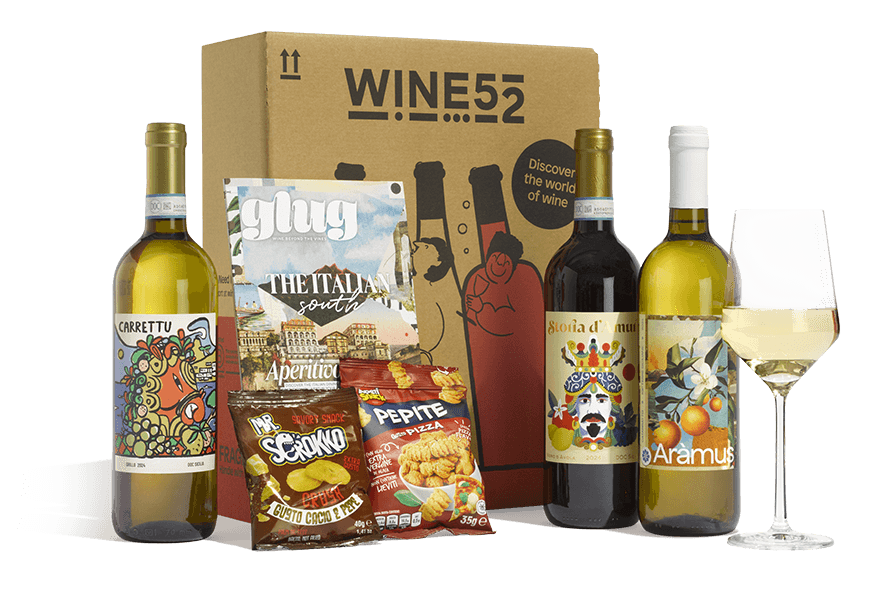
Join Wine52 and get your first month half price
-
Get your first box for £18 (RRP £36).
-
3 wines & 2 snacks delivered monthly.
-
Printed Glug magazine included.
-
Unlimited access to all online content.


