Signature grapes of modern Hungary
The distinctive grapes behind Hungary’s wine resurgence
Sue Tolson
Wednesday 09 September 2026
This article is from
Hungary
issue 66
Share this article
Hungary’s reputation once rested on Tokaji Aszú, but a new winemaking generation is now showcasing indigenous grapes like Furmint, Olaszrizling, Kékfrankos and Kadarka, and redefining its wine culture through improved viticulture, lower yields and a focus on terroir.
Furmint: Hungary’s flagship white
No grape better symbolises Hungary’s wine renaissance than Furmint. Although most closely associated with Tokaj, where it has been cultivated since at least the seventeenth century, it is increasingly planted in Somló and along the northern shore of Lake Balaton.
Naturally high in acidity and relatively neutral in aroma, Furmint is an exceptional transmitter of terroir. Depending on site and winemaking, it can produce everything from crisp, citrus-driven dry wines to textured, barrel-aged styles with notes of quince, peach, baked apple and subtle spice. On volcanic soils, it often shows a distinct mineral character.
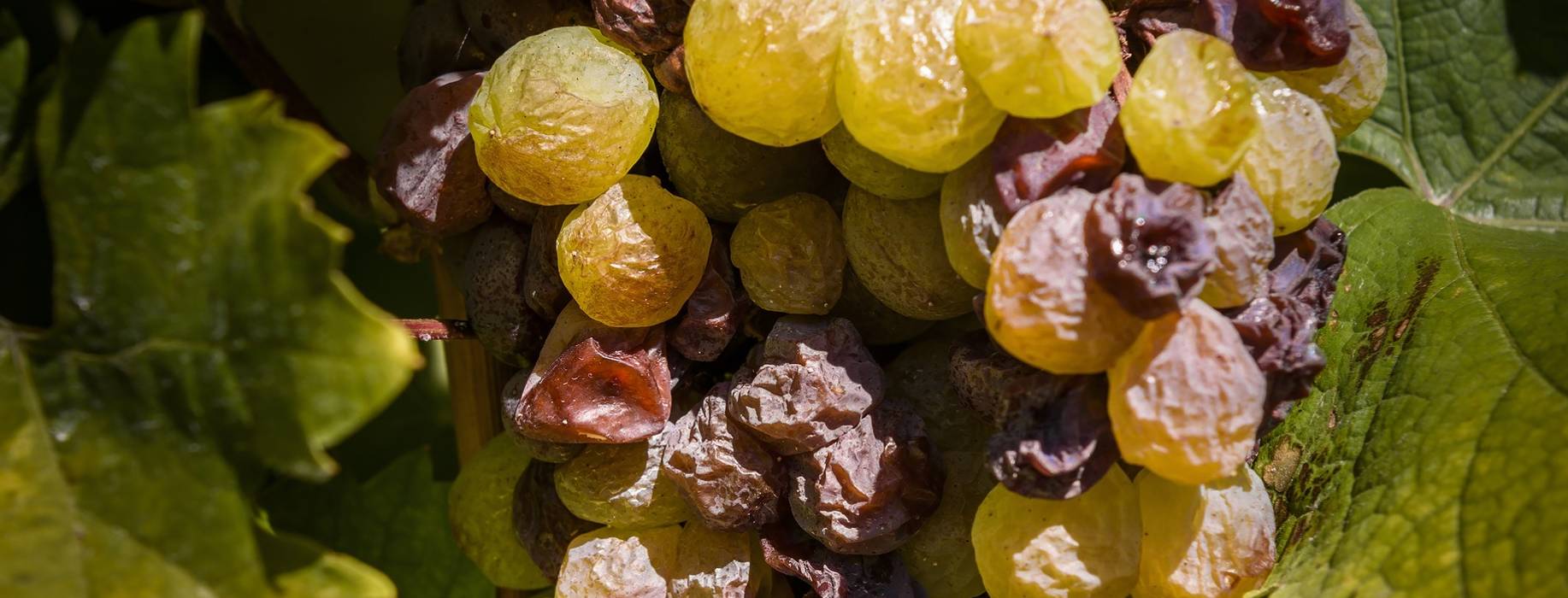
Historically, Furmint earned its fame through Tokaji Aszú. Its thin skins, high sugar accumulation and susceptibility to botrytis make it ideal for producing Hungary’s legendary sweet wines. Over the past two decades, however, dry Furmint has emerged as one of Hungary’s most exciting categories, with single-vineyard bottlings increasingly highlighting Tokaj’s mosaic of volcanic soils or Somló’s more austere minerality.
Its rise reflects global demand for freshness, finesse and a clear sense of place – qualities Furmint naturally delivers.
Olaszrizling: from workhorse to fine wine
Despite its name, Olaszrizling has no relationship to Riesling. Known elsewhere under many synonyms such as Graševina or Welschriesling, it is one of Central Europe’s defining white varieties and one of Hungary’s most widely planted quality white grapes.
Olaszrizling suffered from an uninspiring reputation for much of the twentieth century. High yields produced simple wines for everyday drinking or the classic Hungarian wine spritzer, fröccs. Today, lower yields and careful vineyard management have transformed its image.
Now considered Balaton’s signature grape, particularly around Csopak, Balatonfüred and Badacsony, Olaszrizling thrives on different soils, from volcanic basalt to limestone and red clay. It produces wines ranging from fresh and approachable to complex, textured and ageworthy.
Typical aromas include ripe pear, apple, quince, lemon zest and almond, supported by moderate acidity and a subtle bitter-almond finish. Premium examples may be aged in oak or amphora to add complexity without overshadowing the fruit.
Regional initiatives such as BalatonBor and the Csopak Codex have helped redefine Olaszrizling as a serious terroir-driven wine, while the international GROW du Monde competition has further raised its profile across Central Europe.
Kékfrankos: Hungary’s elegant red
Kékfrankos, known internationally as Blaufränkisch, is Hungary’s most widely planted black grape and the backbone of many red blends, including Eger and Szekszárd’s iconic Bikavér (Bull’s Blood).
Like Olaszrizling, Kékfrankos suffered during the socialist era, when high yields produced thin, acidic wines that damaged its reputation. Modern producers have transformed that perception through lower yields and more careful vineyard and cellar practices.
Modern Kékfrankos typically offers vibrant cherry and blackberry fruit, lively acidity, refined tannins and distinctive peppery spice, often complemented by violet, raspberry and mineral notes. Its ability to retain acidity even in warm vintages makes it particularly well suited to a changing climate.
Regional diversity is one of its greatest strengths. Sopron produces elegant, cool-climate expressions, while Szekszárd combines structure with generous fruit. Eger, Mátra and the volcanic Tihany Peninsula each produce distinctive expressions. Increasingly, producers favour restrained oak and single-vineyard bottlings that allow terroir to shine.
As demand grows for lighter, more elegant reds with moderate alcohol, Kékfrankos is perfectly positioned to become one of Hungary’s international calling cards.
Kadarka: Rediscovering a forgotten classic
Kadarka symbolises the revival of one of Hungary’s historic varieties. Once widely planted across the country, this ancient Balkan variety declined dramatically during the twentieth century as its thin skins, uneven ripening and disease susceptibility made it ill-suited to the high-yielding, mechanised viticulture of the socialist era.
Today, dedicated producers – particularly in Szekszárd – have restored Kadarka through careful clonal selection, old-vine preservation and meticulous vineyard work, revealing a variety capable of remarkable finesse.
Typically pale in colour but intensely aromatic, Kadarka offers flavours of sour cherry, raspberry, cranberry, floral notes and its hallmark spice. Bright acidity and silky tannins give the wines elegance and freshness, inviting comparisons with Pinot Noir while retaining a distinctive personality.
Increasingly popular as a single-varietal wine, Kadarka also lends fragrance and spice to Bikavér blends. Its freshness and moderate body make it a natural match for Hungary’s paprika-rich cuisine, bridging tradition and contemporary taste.
Why now: Hungary’s indigenous grape revival
These four varieties reflect Hungarian wine’s shift towards indigenous grapes that express local history and terroir rather than imitating international styles. Improved viticulture and winemaking, lower yields and a renewed focus on terroir have elevated once-overlooked varieties, while global demand for fresher, more authentic wines has strengthened their appeal. Furmint, Olaszrizling, Kékfrankos and Kadarka now define a confident new chapter for Hungary as one of Europe’s most dynamic wine-growing nations.
Share this article
You’ve reached your limit of 5 free articles this month.
Unlock unlimited access and more
Join Wine52 and get your first month half price
-
Get your first box for £18 (RRP £36).
-
3 wines & 2 snacks delivered monthly.
-
Printed Glug magazine included.
-
Unlimited access to all online content.


