Wine districts in focus: Tolna
An outcast named after a nuclear power plant’s home county, Hungary’s youngest wine district has already defied expectations in the best way
Glug Staff
Photograph: Tűzkő Estate
Wednesday 09 September 2026

This article is from
Hungary
issue 66
Share this article
Where most wine regions trace their origins to monks, monarchs or geological serendipity, Tolna owes its existence in large part to a nuclear power plant. When the district was carved out in 1998, the growers of neighbouring Szekszárd feared that sharing a name with the vineyards around the Paks power station would tarnish their image and devalue their wines. So Tolna was amputated and left to fend for itself; a decision that, with three decades of hindsight, even locals now admit was possibly rash. As it turned out, the reactor never hurt anyone’s reputation, while the independence actively helped.
As is so often the case with ‘new’ wine regions in this part of the world though, Tolna isn’t really new at all. Celts were growing grapes on these hills before the Romans arrived, and medieval monasteries kept the vineyards going long afterwards. In the 16th century, the southeast of the county produced more wine than Tokaj, floating 30,000 hectolitres a year down the River Sárvíz to markets in Szeged, Pest and Debrecen. Even the occupying Ottomans kept the trade alive, wine tax being far too lucrative to ditch. It took the Fifteen Years’ War (1591–1606) to destroy Tolna’s port and its market, at which point the centre of gravity of Hungarian wine shifted decisively north to Tokaj and never returned. The Habsburgs later repopulated the devastated county with Swabian settlers who brought a serious wine culture with them, and for centuries Tolna and Szekszárd were effectively synonymous – Hungary’s first wine law, in 1893, simply defined the Szekszárd region as the entire county.
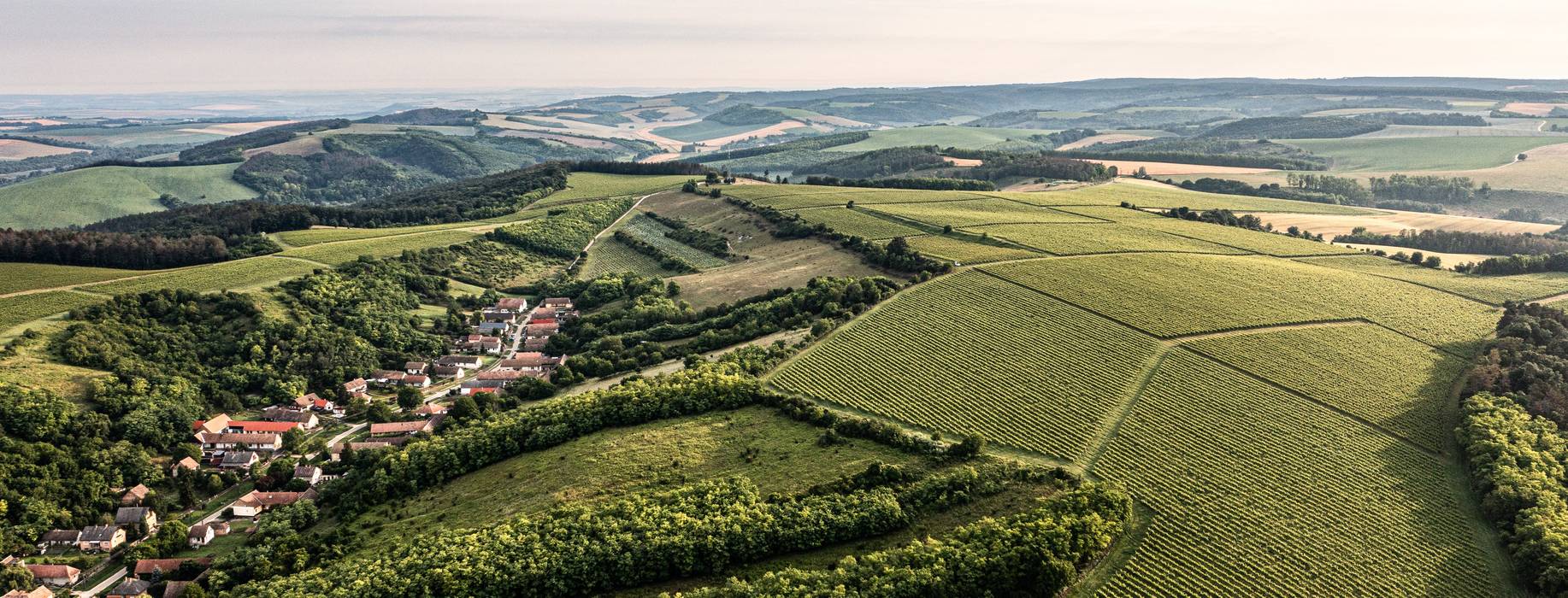
The modern district (and its reputation) rests on one geological fact: loess. A blanket of it, 20 to 50 metres thick and reaching 70 metres at Hőgyész, laid down in the wake of the ancient Pannonian Sea and rich in lime. Combine this with more than 2000 sunshine hours a year and 500–700mm of rain, and you have the perfect conditions for the types of grape (predominantly white) for which Tolna has become famous. The district’s heartland is the Völgység, a cluster of 22 villages whose name can appear on labels, and whose plateau-planted vineyards are placed to dodge the spring frosts, making for particularly reliable and consistent harvests.
FAST FACTS
Vineyard area: 1,990 hectares (2024)
Established: 1998, by separation from Szekszárd
Signature style: Fresh, generous whites from deep lime-rich loess

Villány Rosé Marathon © villany.hu
What to drink: Predominantly whites, and particularly fresh ones – bright and fruit-driven, with the mineral backbone that deep, lime-rich loess tends to contribute. This is still a young district finding its voice, so discovery is part of the thrill. The name to look for on a label is Völgység, meaning the bottle came from the heartland’s plateau vineyards.
When you go: Villány Rosé Festival and Rosé Marathon – mid-July 2027. One of the Pannon wine region’s best-known summer events: more than 30 wineries pouring light, chillable rosés alongside local gastronomy, live music and – for the committed – an actual running race.
The Tavaszi BorZsongás (May 2027) opens the season with open cellars and guided tastings.
Share this article
You’ve reached your limit of 5 free articles this month.
Unlock unlimited access and more
Join Wine52 and get your first month half price
-
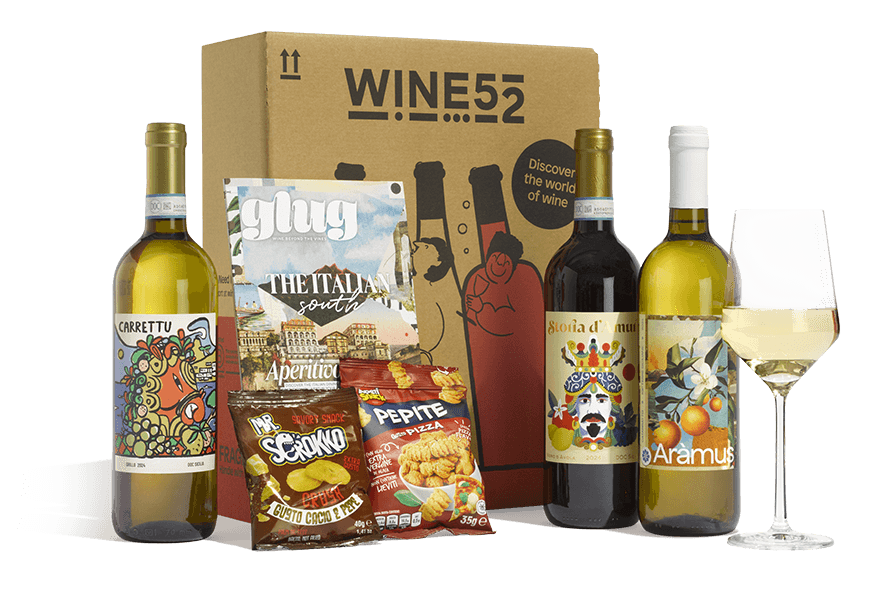
Get your first box for £18 (RRP £36).
-
3 wines & 2 snacks delivered monthly.
-
Printed Glug magazine included.
-
Unlimited access to all online content.


