Wine districts in focus: Tokaj
By far Hungary’s best-known wine region, Tokaj is the birthplace of botrytis sweet wine, and ‘liquid gold’ that once flowed to the courts of kings and tsars
Glug Staff
Wednesday 09 September 2026
This article is from
Hungary
issue 66
Share this article
Tokaj’s greatest wine was, in part, an accident of war. Noble rot – the botrytis fungus that shrivels grapes and concentrates their sugars – had always appeared in the odd favourable autumn here. But two factors gave birth to a deliberate method: riper grapes, as summer tillage spread in the 1500s, and later harvests. In September 1566, when an Ottoman siege of Tokaj Castle made picking impossible, and the shrivelled, botrytised grapes gathered late may have revealed the trick. Whatever the truth, by 1571 the sweet wine had a name in writing – Aszú – and Tokaj had its future. It remains punishing work: the berries are picked one at a time, by hand, each vine revisited four or five times through the autumn, and a good picker rarely managing 10kg in a day.
As early as 1530 though, the Swiss physician Paracelsus had dubbed the wines of Tokaj “liquid gold”. Aszú parlayed that esteem into a more literal kind of gold, as barrels rolled north to Poland and, by the 18th century, east to the Russian court, where a dedicated committee supplied the tsars in St Petersburg. In 1737, a royal decree drew the region’s boundaries to protect the wine from imitation, creating one of the oldest systems of origin protection anywhere in the world. After centuries of success though, disaster: the late 19th century brought phylloxera, many of Aszú’s traditional international markets collapsed after 1920, and then four decades of communist mass production came close to destroying the wine altogether. Revival began only after 1990, and the region was made a World Heritage Site in 2002.
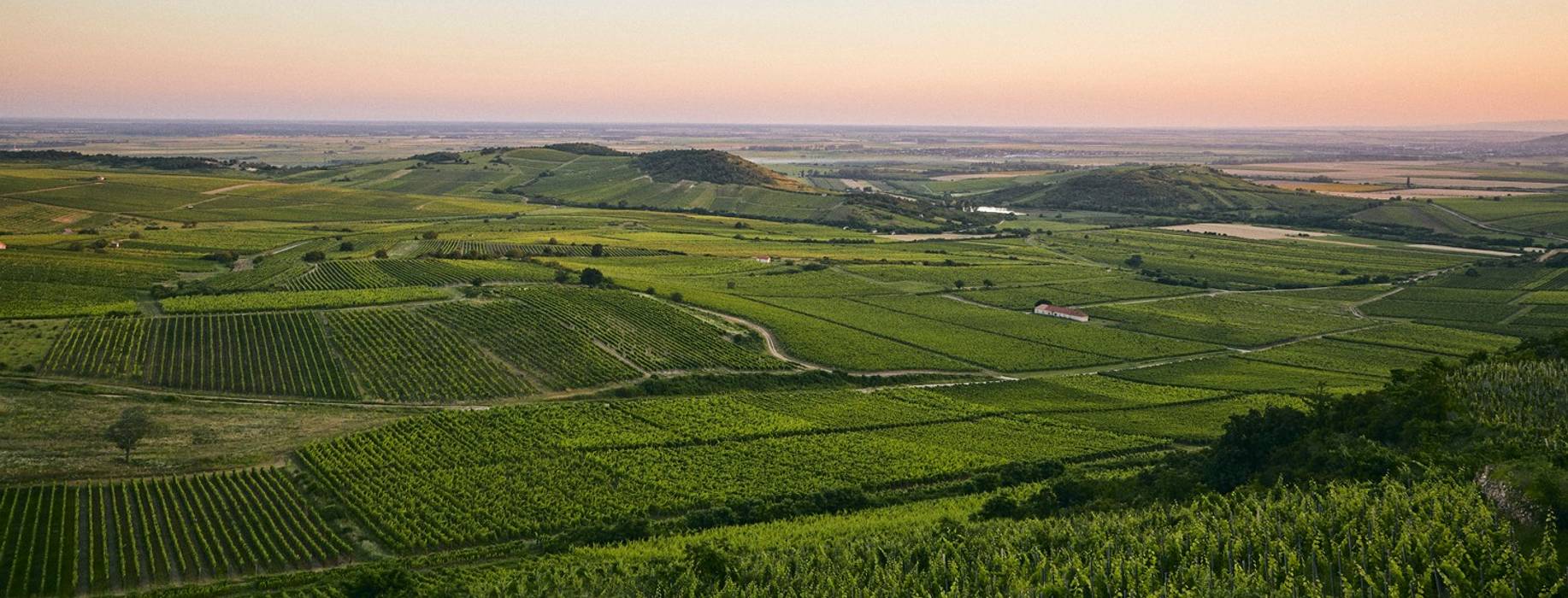
What must have seemed like magic in the 1500s is the product of geographic good fortune. Tokaj sits on the northern edge of winemaking, on the same latitude as Burgundy, where autumn mists rising off the Bodrog and Tisza rivers nurture the noble rot on which sweet wine depends. The soils here are volcanic – what locals call a landscape of four hundred volcanoes – topped by wind-blown loess and overlooked by the dacite cone of Tokaj Hill.
Below ground. Hundreds of kilometres of cellars run beneath these hills, hand-cut into the tuff from the 15th century on and dug at first as refuge from Ottoman raids. The damp and a constant 10–12°C proved ideal for barrels, and have held them ever since.
FAST FACTS
Vineyard area: 5,027 hectares (2024)
Signature wines: Aszú and dry Furmint
Signature style: Honeyed, high-acid sweet wines and taut, mineral dry whites

Tojaj Wine Days © TOKAJI BORNAPOK
What to drink: Furmint was born to shine here: high in acid, at home in both sweet wine and dry. Aszú is the classic expression of its character, but many modern Furmints are surprisingly bone-dry, taut, smoky and mineral, and of a seriously high quality. At the sweet extreme sit rarities like Szamorodni and the extremely intense Eszencia.
When you go: Tokaj Wine Days – Tokaj, June 2027. The region’s big early-summer festival, when the town itself becomes one long wine bar. Expect Aszú and Furmint tastings, winery stands and a proper knees-up in the main square.
For something quieter, Tállya Open Cellars (May 2027, over Pentecost) opens small growers’ doors for tastings straight from the barrel.
Share this article
You’ve reached your limit of 5 free articles this month.
Unlock unlimited access and more
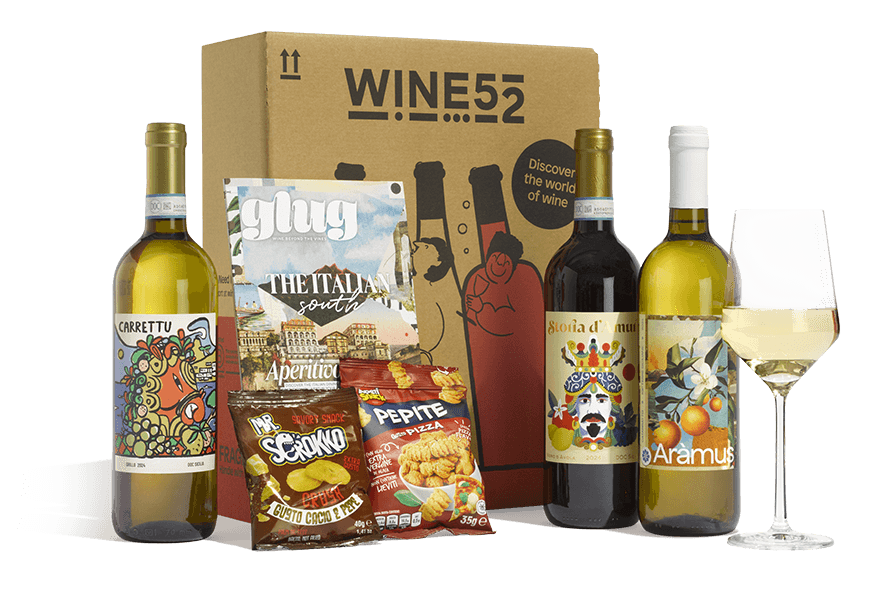
Join Wine52 and get your first month half price
-
Get your first box for £18 (RRP £36).
-
3 wines & 2 snacks delivered monthly.
-
Printed Glug magazine included.
-
Unlimited access to all online content.


