Wine districts in focus: Eger
One of Hungary’s truest wine cities hides its best stories (and once its best bottles) underground
Glug Staff
Wednesday 09 September 2026

This article is from
Hungary
issue 66
Share this article
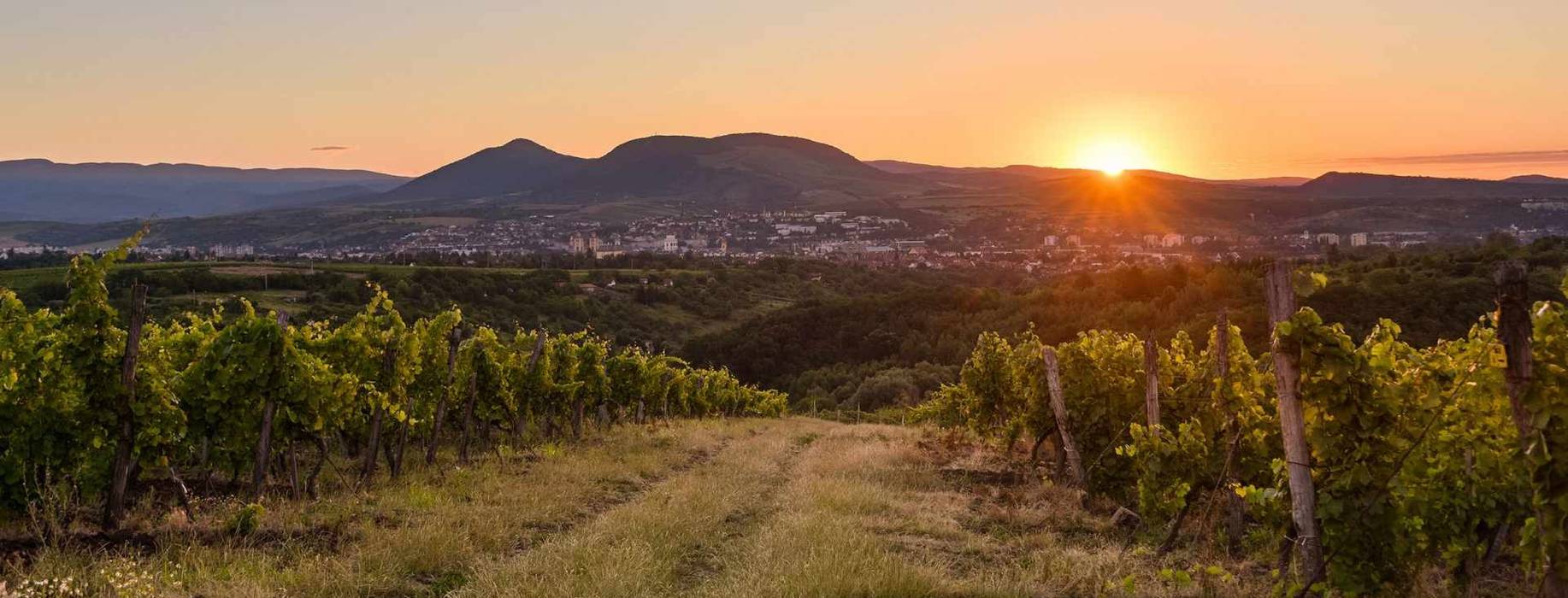
Where almost every other Hungarian wine district is a stretch of countryside, Eger is a city, and the only one where the winemaking happens among the winding streets themselves. But the real story is beneath these streets, where a vast, near-endless labyrinth of cellars have been cut over centuries into the soft rock beneath. As well as being temperamentally perfect for wine storage, these subterranean hidey-holes have profound historical and cultural importance; through the communist decades, workers at the state winery secretly hid the best bottles down there, not to sell, but out of sheer professional pride. Those hoards became Eger’s library-wine collection. Not all of it lies beneath the streets: on the edge of town, the Szépasszony Valley – the Valley of the Beautiful Woman, granted to the bishopric by St Stephen a thousand years ago – curves in a horseshoe of cellar doors.
Eger’s fame rests partly on a siege. In 1552, its defenders held the castle against a far larger Ottoman army – a genuinely heroic stand, which the city has celebrated ever since. Less trumpeted though is what came next: the fortress surrendered in 1596 and stayed in Turkish hands for 91 years. The occupation marked the wine too, and it was under Ottoman rule that Kadarka and the practice of fermenting on skins took hold, turning a white wine region red.
This is the distant origin of Egri Bikavér, or ‘Bull’s Blood’. Legend ties the name to that 1552 siege, when the defenders’ red-stained beards supposedly convinced the Turks their enemies were drinking the blood of bulls. The wine as we know it today is younger and more refined, reformulated in the early 20th century, after phylloxera, by a grower who had studied in France.
Two very different geologies meet here. South and west of the city, the soil is volcanic – rhyolite tuff, in places hundreds of metres thick, laid down by eruptions 16 to 19 million years ago. To the east, around the limestone hulk of Nagy-Eged, it turns to ancient marine limestone and clay-marl. Nagy-Eged itself rises to 537 metres, steep, dry and shallow-soiled. Overhead, the Bükk Mountains block the winter frosts, then funnel cool night air down onto the vineyards after hot days, preserving the fresh acidity for which Eger is known.
FAST FACTS
Vineyard area: 5,361 hectares (2024)
Signature wines: Egri Bikavéar (red blend), Egri Csillag (white blend)
Signature style: Spicy, structured reds and fresh, aromatic whites
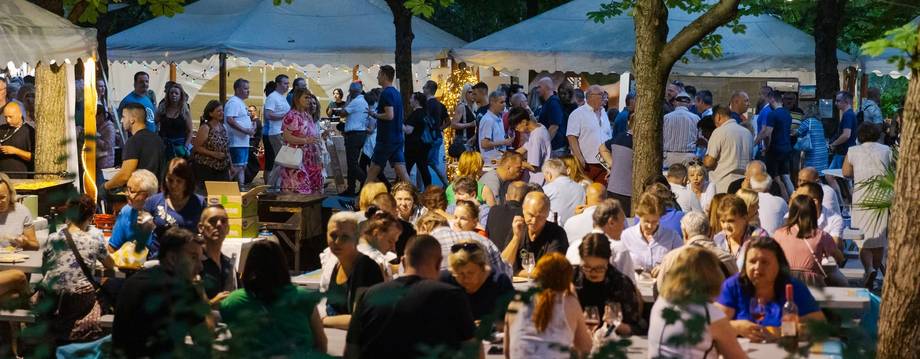
Eger Wine Festival © Az Egri Bor Ünnepe
What to drink: Two blends define the district. Egri Bikavér is the red – a spicy, structured cuvée of at least four grapes, far removed from the rough ‘Bull’s Blood’ that once went under the same name. Egri Csillag (‘Star of Eger’) is its white counterpart, fresh and aromatic. Both are blends, which suits the patchwork of volcanic and limestone on which they are cultivated. Since the 1990s, dozens of small independent growers have given the place its character; as a rule of thumb, a named vineyard on the label signals the top tier, permitted only for the finest wines.
When you go: Eger Wine Festival (Egri Bor Ünnepe) – mid-July. The district’s biggest summer gathering, featuring more than 30 wineries, the full range of Bikavér and Egri Csillag, masterclasses and main-stage concerts.
In late May, the Egri Csillag Weekend opens the season on Dobó Square, built around the fresh white blend.
Share this article
You’ve reached your limit of 5 free articles this month.
Unlock unlimited access and more
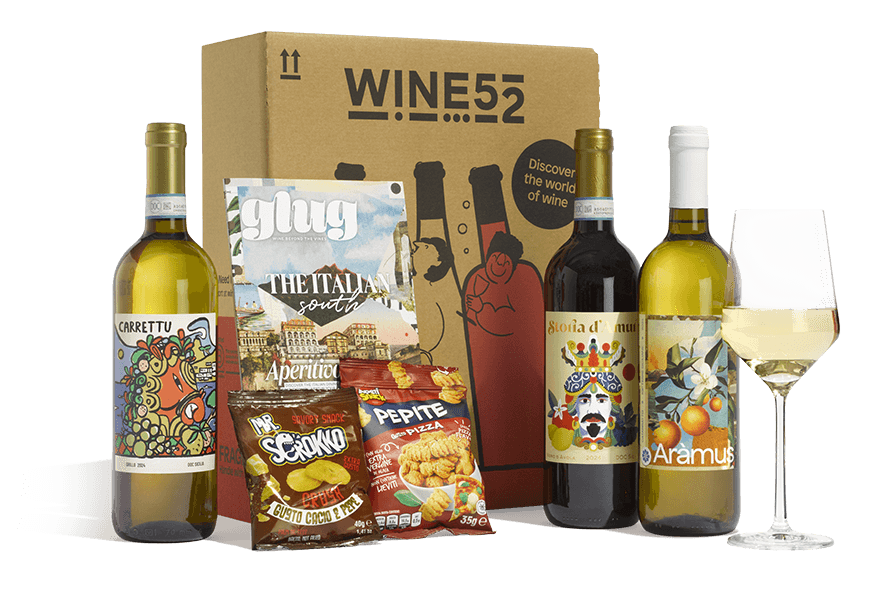
Join Wine52 and get your first month half price
-
Get your first box for £18 (RRP £36).
-
3 wines & 2 snacks delivered monthly.
-
Printed Glug magazine included.
-
Unlimited access to all online content.


