Wine districts in focus: Balatonboglár
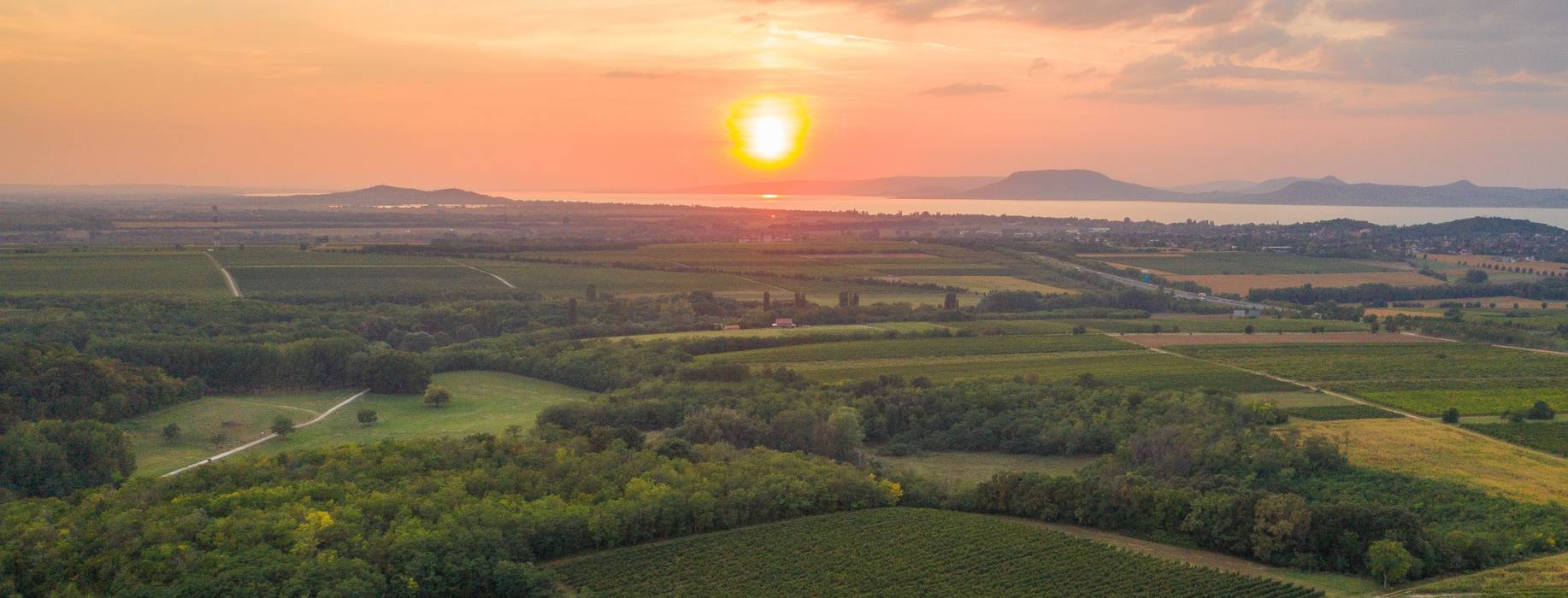
This iconic wine region is wrapped conveniently around Hungary’s summer playground – lakeside on one side, hills on the other. What more could you ask for?
Glug Staff
Wednesday 09 September 2026
This article is from
Hungary
issue 66
Share this article
For most Hungarians, Lake Balaton is synonymous with summer. Land-locked as the country may be, Balaton’s long southern shore, lined with resorts, looks out over an inland sea that is in no way a compromise. It is the largest lake in Central Europe by some distance, and quite big enough to make its own weather.
Balatonboglár, the wine district encircling this paradise, is divided between a vibrant strip of vineyards climbing back from the lakeshore, and a quieter hinterland of hills running south towards Kaposvár, which is still largely unknown even at home.
The vines here have deep roots, in many cases literally. Somogy County was making wine by the 10th century, and by the 11th the Benedictine monks of the Szent Egyed abbey – Flemish and French incomers from Burgundy and Lorraine – were practicing viticulture on the hills above the water. The region’s winemaking was so significant that, in 1498, the king granted Somogy the country’s first county coat of arms.
Yet the modern story is more fascinating still. After the Second World War, the great estates were broken up and Somogy’s wine culture all but vanished, with one sole survivor: the Balatonboglár State Farm. By the 1980s ‘BB’ was the best-known wine name in the country and, in the grim industrial context of the era – when even Bikavér and Aszú reached the shops as industrial plonk – was often the one dependable bottle on the shelf. The family estates that rebuilt the region after communism have since taken it somewhere far more interesting.
The whole district sits on 10 to 30 metres of loess, thickening from west to east, laid over ancient marine sediment. Across the water, the north shore’s volcanic buttes get most of the attention and belong to other districts entirely; this is the gentler side, all low loess ridges and long views north over the lake to the hills opposite.
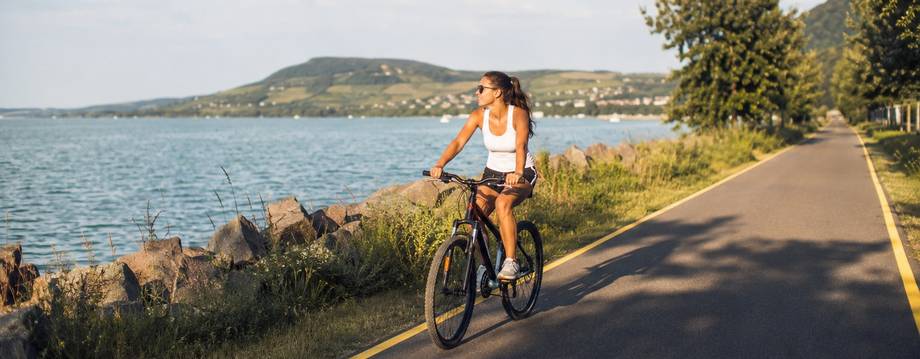
For those who believe the best journeys are powered by movement, the Balaton region is as much an outdoor playground as it is a wine destination. Cycle the entire shoreline on the iconic Balaton Bike Loop, set sail across the lake, or lace up your hiking boots and explore the panoramic landscapes of the renowned National Blue Trail (Kéktúra), where vineyards, forests, and volcanic hills reveal a different side of Hungary at every turn.
FAST FACTS
Vineyard area: 3,403 hectares (2024)
Signature wines: Still and sparkling whites; single-vineyard reds
Signature style: Honeyed, high-acid sweet wines and taut, mineral dry whites
© Wines of Hungary
What to drink: Whites lead here, fruit-driven but with concentration, for the bright, early-drinking style that has come back into fashion in recent years. South Balaton is also one of Hungary’s true homes of sparkling wine. International grapes such as Chardonnay, Pinot Noir, and Sauvignon Blanc do well here, alongside single-vineyard reds from the inland hills.
When you go: Taste Balaton - March 2027. Taste Balaton is the must-visit spring event for food lovers, launching the region’s culinary season. Across numerous Lake Balaton towns, restaurants, wineries and cultural venues host hundreds of unique experiences, celebrating local gastronomy, wines, creativity and the vibrant spirit of the region.
Share this article
You’ve reached your limit of 5 free articles this month.
Unlock unlimited access and more
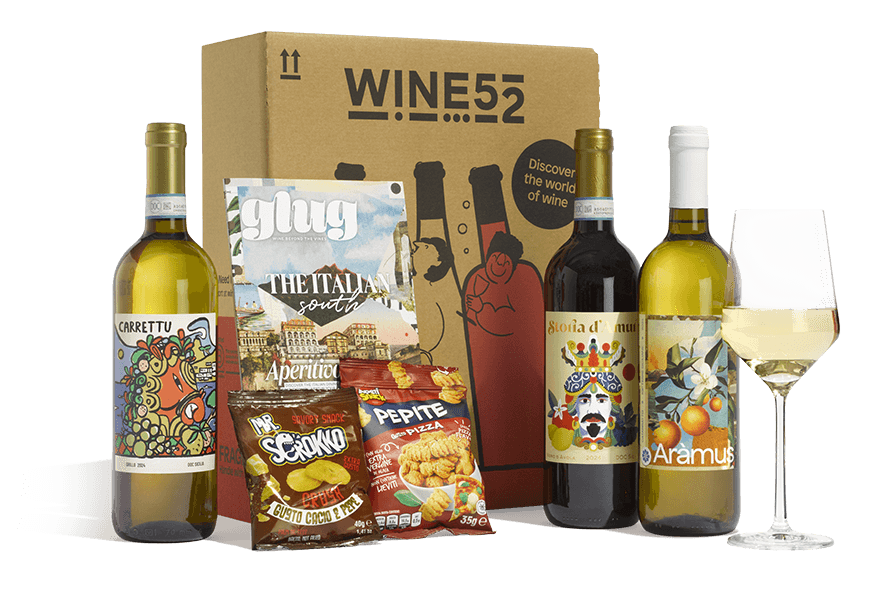
Join Wine52 and get your first month half price
-
Get your first box for £18 (RRP £36).
-
3 wines & 2 snacks delivered monthly.
-
Printed Glug magazine included.
-
Unlimited access to all online content.


