The future of Hungarian Wine
Meet the young winemakers still writing Hungary's ancient story
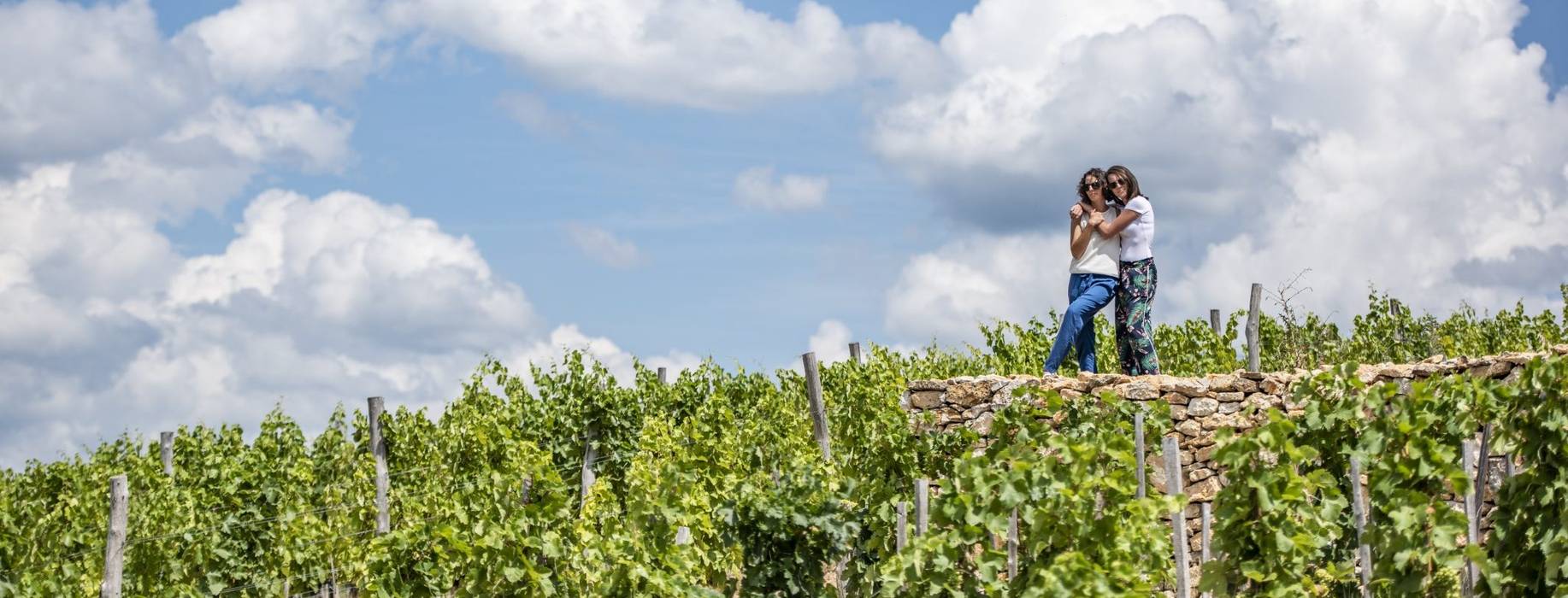
Péter Blazsovszky
Photo © Zsirai Winery
Wednesday 09 September 2026
This article is from
Hungary
issue 66
Share this article
International wine trends over recent years have made one thing increasingly clear: consumption is steadily shifting towards white and sparkling wines. While many traditional red wine regions are facing declining sales, fresh, vibrant whites and sparkling wines continue to grow in popularity. This shift is driven not only by changing gastronomic habits, but also by evolving consumer lifestyles. Lighter wines with lower alcohol levels fit naturally into modern dining, urban living and a more health-conscious approach to alcohol consumption.
In this environment, Hungary is exceptionally well positioned. Traditionally a white wine country, its leading wine regions – Tokaj, Somló, Badacsony, Balatonfüred–Csopak, the Balaton Highlands, Etyek and Pannonhalma –already produce precisely the wine styles attracting international attention. This does not diminish the importance of red wines, but it does suggest that consumers will increasingly seek fresher, more elegant and fruit-driven expressions.
Experience Over Status
Today’s wine consumers think very differently about alcohol than previous generations. They drink more consciously, consume less frequently and in smaller quantities, yet remain eager to discover new flavours, authentic stories and wines with a genuine sense of place. For them, wine is no longer a status symbol, but an experience. Sustainability, personal narratives and terroir have become just as important as what's in the glass.
This shift plays directly into Hungary’s strengths. Wines with naturally vibrant acidity, moderate alcohol levels and pure fruit expression are perfectly suited to modern tastes.
Varieties such as Olaszrizling, Furmint, Hárslevelű, Kéknyelű and Juhfark, when grown in the right vineyard sites and crafted with precision, have everything it takes to meet these evolving consumer expectations.
Today, however, quality alone is no longer enough. Great wines also need compelling stories. Consumers increasingly want to know where a wine comes from, who made it and what makes its origin unique. Here, Hungary enjoys a remarkable advantage. Few countries can boast such a rich volcanic heritage alongside such an impressive collection of indigenous grape varieties. The volcanic landscapes of Tokaj, Somló, Badacsony and the Balaton Highlands have become increasingly powerful messages in international wine communication, particularly as interest in volcanic wines continues to grow worldwide.

© Hoffmann's Winery
Storytelling and Terroir
For Hungarian wine, therefore, one of the greatest challenges in the coming years will not simply be producing outstanding wines, but telling their stories. Terroir, native grape varieties, sustainable viticulture and volcanic origins together create a narrative capable of clearly distinguishing Hungary on the international wine stage.
At the same time, the future of wine is becoming inseparable from wine tourism. Today, a bottle often represents the continuation of an experience. Walking through Tokaj's centuries-old underground cellars, watching the sunset over the basalt cliffs of Badacsony, cycling from winery to winery around Lake Balaton, or exploring the historic sparkling wine cellars of Budafok creates a far deeper connection with wine than simply picking up a bottle from a supermarket shelf.
The future success of Hungary’s wine regions will therefore depend increasingly on the complete experience they offer visitors. Gastronomy, hospitality, cultural events, outdoor activities and wine tasting have become interconnected elements of the same ecosystem, each reinforcing the other.
Another international trend deserves attention is the growing popularity of chillable reds. These lighter-bodied, vibrant red wines are served slightly chilled and fit perfectly into today’s relaxed wine culture. Hungary has excellent opportunities in this category. Kadarka, lighter expressions of Kékfrankos and even some of the country's rediscovered historic varieties provide an ideal foundation for this style, allowing producers to reach new consumers without sacrificing authenticity or tradition.
Ultimately, the future of Hungarian wine does not lie in a single grape variety, wine region or passing trend. Rather, it depends on the country’s ability to respond to changing global demands while remaining true to its own identity. Volcanic terroirs, indigenous grape varieties, outstanding white wines, elegant reds, sparkling wines, wine tourism and authentic storytelling together form a unique value proposition upon which Hungarian wine can confidently build for decades to come.
History and modernity are not opposing forces, but Hungary’s greatest strength. Success will not come from simply following international trends, but from recognising that the country's strongest competitive advantage lies in the qualities that are unique to the Carpathian Basin. As consumers increasingly seek authenticity and originality, Hungary possesses everything it needs to tell that story with confidence.
Monika Gyenes | Director, Best of Hungary
The future of Hungarian wine holds great potential, but the challenge lies in finding the right messages that resonate with today’s and tomorrow’s consumers. Our country offers a diverse range of wines for enthusiasts, from fragrant whites to the robust red blend known as Bikavér, to the distinct sweet wines of Tokaj and everything in between. It’s important to convey this diversity clearly, allowing everyone to discover something they enjoy. Once the wine is poured, its quality speaks for itself, taking the drinker on a journey through one of our remarkable regions.
Szonja Novák | Winemaker, Hoffmann’s Winery
The Hungarian wine industry is facing major challenges, from climate change and unpredictable weather to vineyard diseases and declining wine consumption. Yet these challenges also present an opportunity to rethink old habits and shape a stronger future. A new generation of wine professionals is bringing fresh ideas, international experience, and the motivation to build on the strengths of our wine regions while respecting their history and identity.
Looking ahead, it is essential to introduce people to quality wine from the legal drinking age onward—not only through the wines themselves, but also through the stories, the people, and the places behind them. By doing so, wine can be appreciated not simply as alcohol, but as a reflection of culture, community, and gastronomy.
Kata Zsirai | Winemaker, Zsirai Pincészet
I believe Hungarian wine has tremendous potential. While the industry faces significant challenges – including declining global wine consumption, a demanding domestic market, and the increasing difficulties of grape growing –it has already achieved something remarkable: international wine professionals are paying attention to what Hungary has to offer. The next step is to build on this recognition with a clear, consistent message that reaches beyond the wine trade. By communicating the richness of our indigenous grape varieties, diverse terroirs, and unique wine regions, we can inspire more consumers to discover the true character of Hungarian wine.
Sebastian Giraldo Makovej | Brand ambassador, Sauska
Let’s start with the obvious: Hungary will never be the next France. It belongs to the 'Rest of the World' category, but within that group, it has the potential to become the most prominent player, the 'Best of the Rest'. Hungary offers exactly what today’s wine world is seeking: unique and local varietals, a long winemaking tradition, exciting volcanic regions, and high-quality wines that deliver exceptional value.
Share this article
You’ve reached your limit of 5 free articles this month.
Unlock unlimited access and more
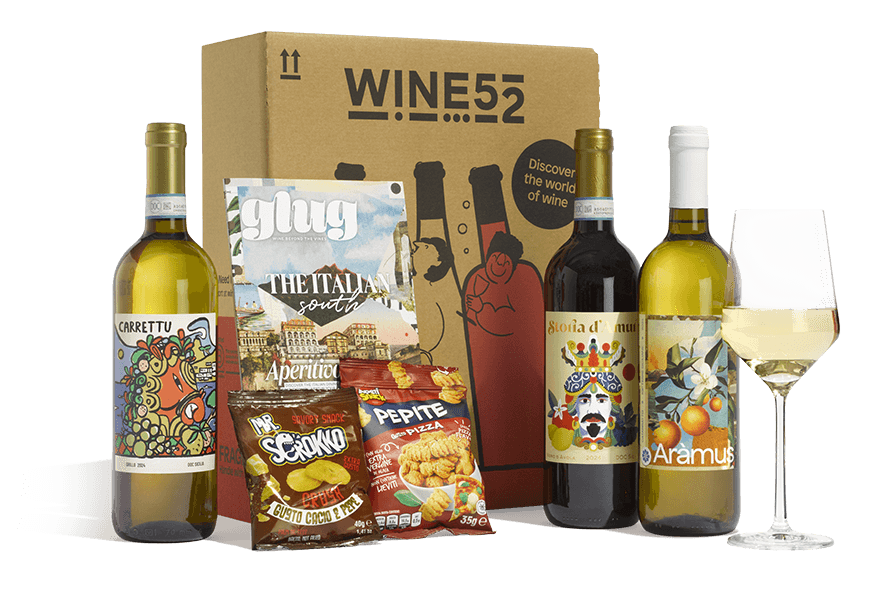
Join Wine52 and get your first month half price
-
Get your first box for £18 (RRP £36).
-
3 wines & 2 snacks delivered monthly.
-
Printed Glug magazine included.
-
Unlimited access to all online content.


