Wine myths: Climate change isn’t affecting our wine
Katie Mather debunks some myths for us
Katie Mather
Wednesday 07 October 2026

This article is from
Best of Italy
issue 67
Share this article
2026 is an historic year for wine. It marks the earliest harvest Burgundy has ever seen, and we know that because of the meticulous written records in the region that date back to the 1300s. The shortening of the growing season is due to the hot, dry summer, which comes after 2025’s hot dry summer, and the one before that. Heatwaves have become a normality not only in Burgundy but across France, Spain and Italy. The consequences? Sunburned grapes, imbalanced ripening, elevated sugar content, and of course, drought. Vines enjoy a little stress in their search for water, but when there is no water to be found even in the usual underground pockets and aquifers, sustaining the growth of grapes becomes impossible. When you are working on survival, there is no excess energy to develop your vines’ character or flavour concentration.
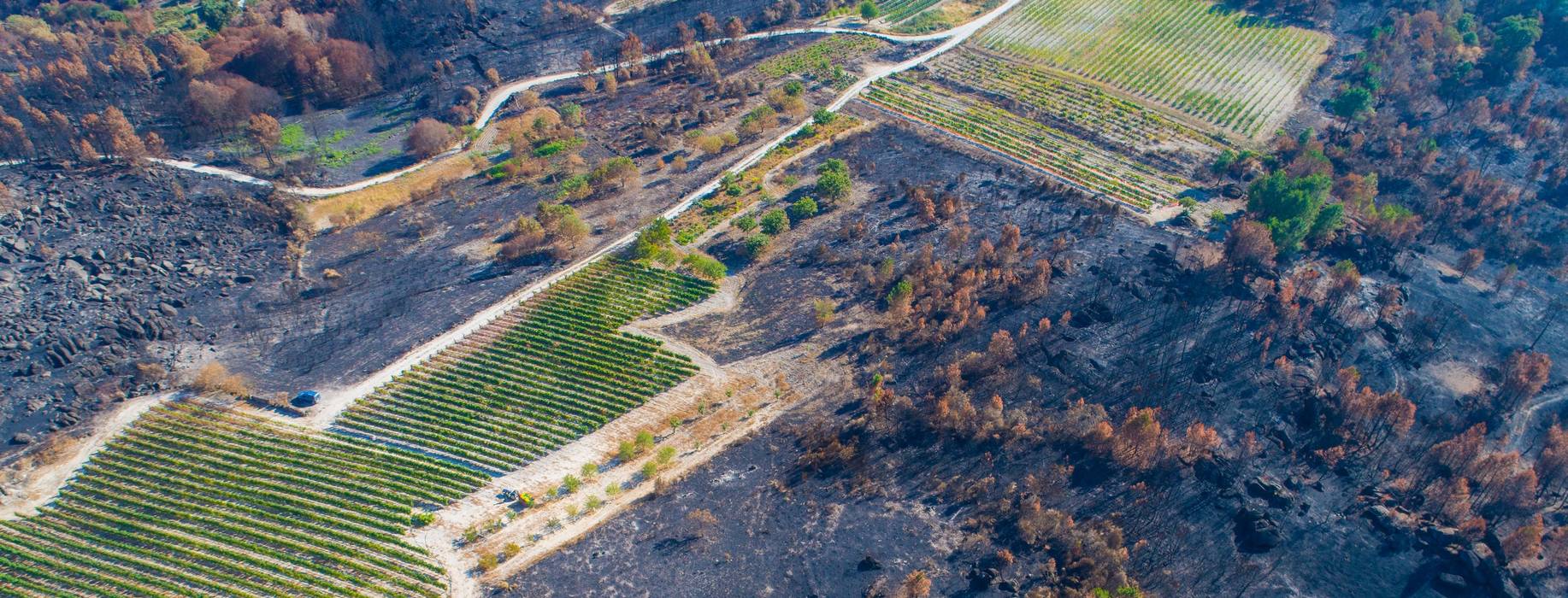
And then there are the wildfires. I saw the damage for myself in the Auvergne and Burgundy this year, a scarred landscape of charred hills and fields. The impact spreads further than the flames, with smoke choking the air and training grapes with flavours of charcoal. The least of our problems, but an issue for struggling winemakers to contend with nonetheless.
So what can we do? I’ve been wondering for a long time. Sustainable winemaking is no longer a niche but a necessity. Allowing lush planting to grow around vineyards and developing ‘no dig’ areas enables them to act as cover for shade, carbon sinks and also as fire breaks, should the worst happen. Existing vineyards will need to be irrigated, which means laws will need to be relaxed to enable winemakers to better water their vines, and which can change the nature and flavour of the resulting wines. Moving locations is simply not feasible, but as temperatures rise, higher altitudes and more northerly areas will become planted where once they were too cold to grow good grapes.
Some winemakers are already successfully growing PIWI grapes; varieties that have been bred specifically to take advantage of their hardiness, acidity, flavour and yield. ‘Noble’ and indigenous varieties with particular climate preferences may need to be replaced with grapes that can stand up to a hotter planet. In turn, our palates and choices will need to change too, because in a future where Bordeaux is burning, it will become harder to get your hands on a great value claret. I am not trying to depress you. I am telling you what I saw, and what so many wine professionals have been seeing for years now. Climate change isn’t happening, it has already happened.
Share this article
You’ve reached your limit of 5 free articles this month.
Unlock unlimited access and more
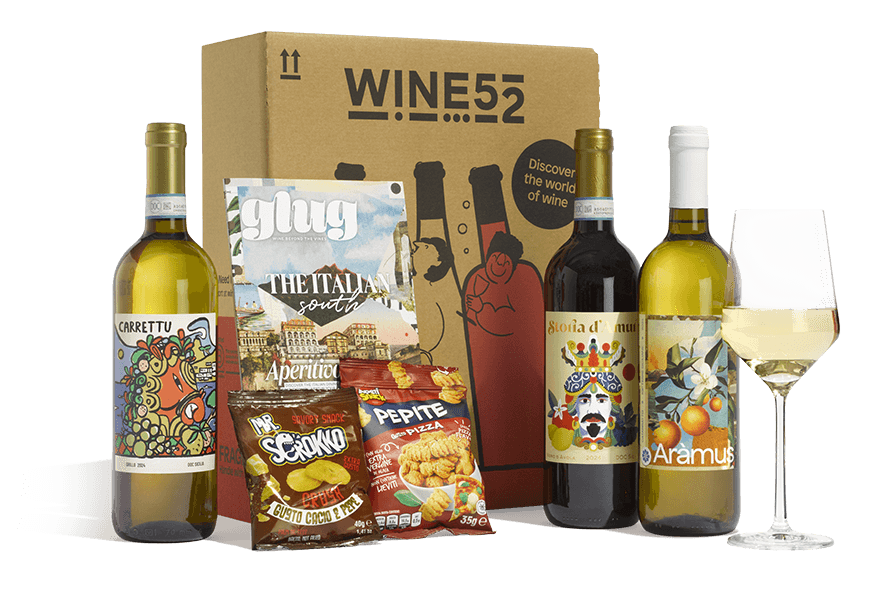
Join Wine52 and get your first month half price
-
Get your first box for £18 (RRP £36).
-
3 wines & 2 snacks delivered monthly.
-
Printed Glug magazine included.
-
Unlimited access to all online content.


