Discover Uruguay
Amanda Barnes introduces us to Uruguay’s diverse and surprising wine culture
Amanda Barnes
Wednesday 04 November 2026

This article is from
Uruguay
issue 68
Share this article
Uruguay is a wine country on a human scale, where discovering the producers and the places they farm feels direct and personal. With regions that stretch from the Atlantic coast to the banks of the Río de la Plata and inland to the highlands bordering Brazil, it is a patchwork of winegrowing terroirs, each with its own soils and climate. It is also a wonderful country for any traveller to explore, with very different landscapes, cultures and experiences to enjoy along the way.
Montevideo and Canelones
The heartland of Uruguayan wine is Canelones and Montevideo. Canelones alone is responsible for around 60% of the country’s wine production, and the wider southern region remains the historic centre of Uruguay’s wine industry. Canelones is the rural department that wraps around Montevideo, the capital of the country and home to a large share of Uruguay’s population. This explains why Canelones boomed in the 19th and 20th centuries, as the neighbouring region first in line to supply the thirsty local market.
Montevideo may hold much of Uruguay’s population within its folds, but it is one of the world’s most laid-back capital cities. Its beautifully preserved and eclectic architecture, including a remarkable concentration of Art Deco, adds to the charm of discovering Montevideo’s Old Town on foot, as do its many hole-in-the-wall cafés, bars and restaurants. No visit to the city would be complete without taking a long stroll along the Rambla, which hugs the coastline for some 30 kilometres and is where locals come to walk, cycle, drink mate and watch the sun sink over the Río de la Plata.
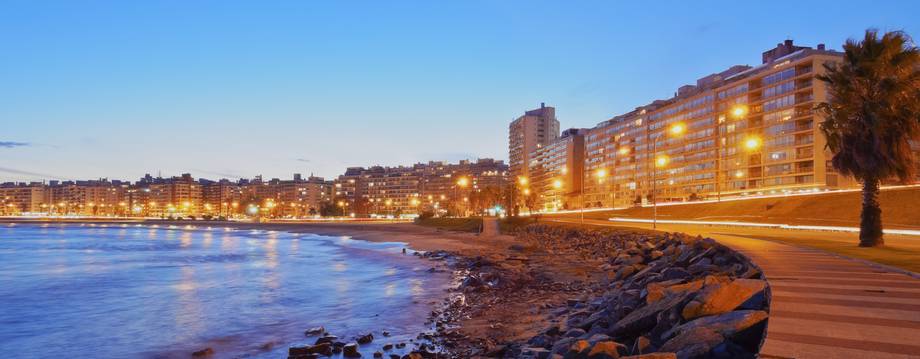
La Rambla, Montevideo
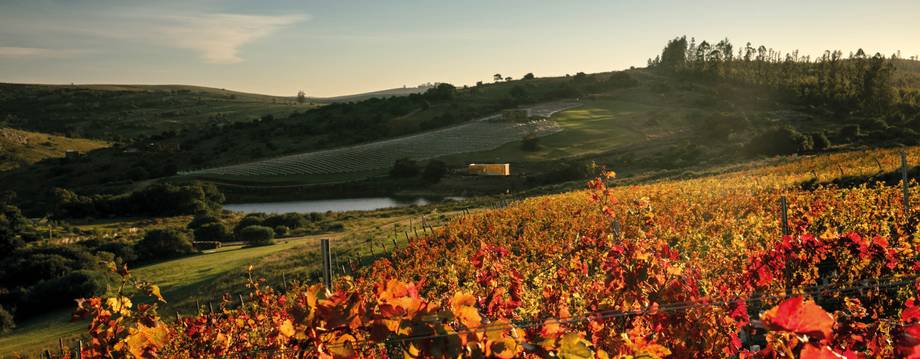
Within the city limits are a handful of historic wineries, although many of Montevideo’s vineyards and wineries have gradually been pushed further into the surrounding region of Canelones, where the heart of Uruguay’s wine industry lies. A drive around Canelones is peaceful and relaxing, with tranquil country lanes connecting wineries and vineyards planted on gently rolling hillsides.
Canelones is best characterised by its fertile, often clay-rich sedimentary soils, although there is considerably more geological diversity than this simple description suggests. Its proximity to the Río de la Plata gives the region a significant maritime influence, and Canelones is renowned for the quality of both its white and red wines, with Tannat and Sauvignon Blanc among its important varieties.
The region also offers the greatest concentration of wineries to visit, ranging from traditional family wineries such as Carrau, Marichal and Varela Zarranz to more contemporary boutique projects such as Martín Viggiano and Artesana. There are also a handful of excellent winery restaurants to explore, including Bodega Bouza and Familia Deicas in Juanicó, with innovative tastings and wine-pairing experiences. And if you want to extend your visit to wine country even longer, try the vineyard accommodation at Pizzorno, Bracco Bosca and Spinoglio.
Staying in the capital is also a good option, as many wineries are easily accessible within around a 45-minute drive, while leaving you free to explore Montevideo after dark. Tango, theatre and live music are highlights in this deeply cultural capital. To continue your wine experiences in the city, don’t miss the immersive wine-tasting and cultural experiences at City Winery, or a visit to the excellent Viti wine bar in the Old Town.
Colonia and San José
Follow the coast west from Montevideo and Canelones and you’ll soon cross into the region of San José, a pastoral area that forms part of Uruguay’s important dairy belt. Cows roam the fields, but among them are a handful of ambitious vineyards and small producers, most notably those around the striking Sierra de Mahoma.
Beyond San José lies one of Uruguay’s most historic regions, Colonia. Colonia del Sacramento was founded by the Portuguese in 1680 and is today a UNESCO World Heritage Site. It has the wonderful feeling of stepping into yesteryear, with picturesque cobblestone streets, colourful colonial architecture and classic cars tucked into pretty corners. This is one of the most visited towns in Uruguay, often reached by a quick boat ride from Buenos Aires in Argentina, just across the Río de la Plata.
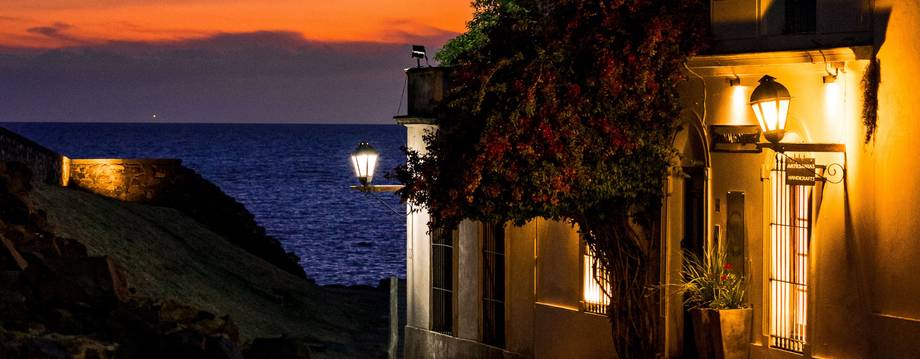
Colonia del Sacramento
Exploring the wine regions beyond the town takes you into the beautiful riverside region of Carmelo, where a growing wine route is well worth exploring. Charming boutique operations such as El Legado and Pueblo Tannat deserve a visit, as does the historic Los Cerros de San Juan, founded in 1854 and recognised as Uruguay’s oldest commercial winery. Luxury wine lodgings include the beautiful hotel at Narbona, while there are plenty of excellent boutique hotels nearby for a peaceful stay beside the river.
The river stones and sedimentary soils of the region, combined with a slightly warmer riverside climate, mean that Colonia is particularly well known for its generous red wines, with Tannat and Bordeaux varieties among the most sought-after. There are, however, some standout white wines here too, including Riesling. The local wines are most certainly best enjoyed with a plate of local cheese, one of the gastronomic highlights of visiting Colonia and San José.
Maldonado
The new frontier of Uruguay’s wine industry and wine tourism has been steadily gathering pace in the east, along the coast of Maldonado. It wasn’t until the early 2000s that the modern era of the region really began, with a handful of pioneering vineyard projects, but it has since expanded rapidly and become one of the country’s most talked-about wine regions.
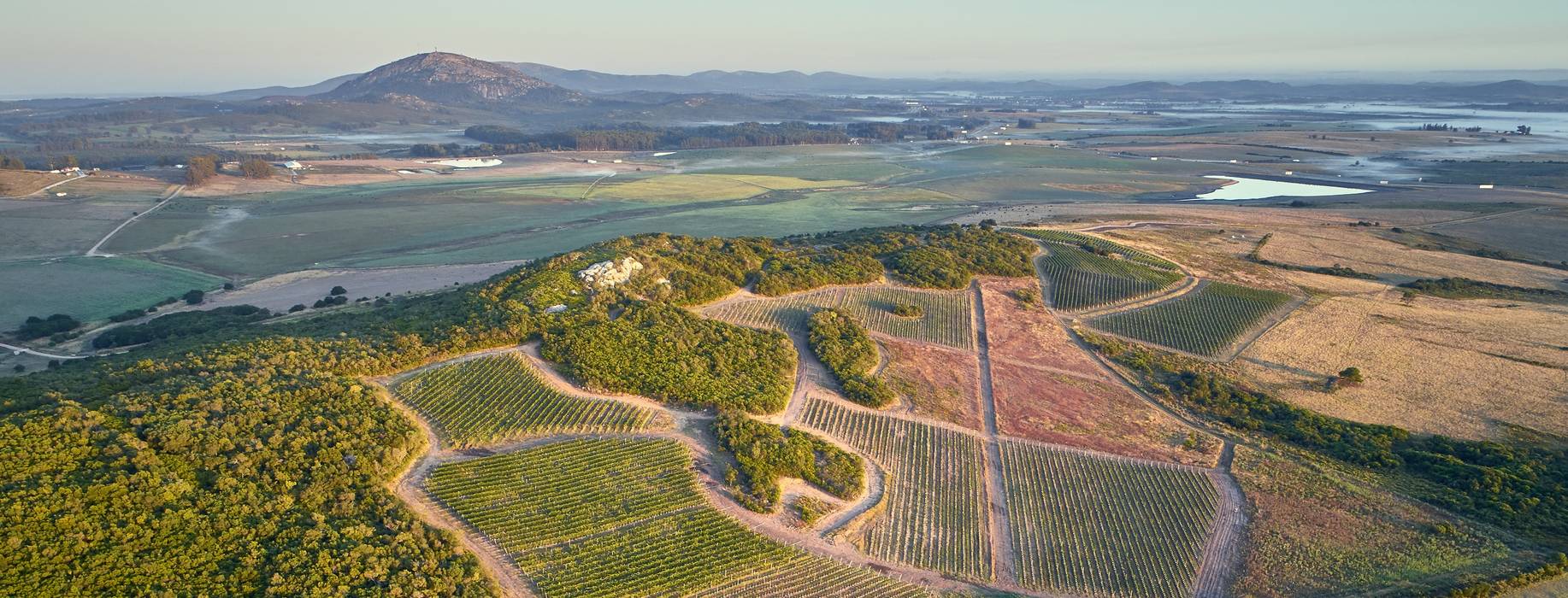
Maldonado is now one of Uruguay’s most dynamic regions for both vineyard development and wine tourism, with a growing collection of wineries offering beautiful tasting rooms, restaurants and visitor experiences. The reason for Maldonado’s more recent boom is the very different terroir it offers, with poorer, freer-draining soils and considerable geological diversity, often with an important influence of granite and other ancient rock formations. A more direct Atlantic influence also means the wines are often higher in acidity and fresher in style.
Sierra de Carapé, Maldonado
This has helped shape lighter, more energetic styles of Tannat than are common in some of the country’s more traditional regions, while Maldonado has become particularly important for saline Albariño and elegant Pinot Noir.
The hillier terrain and more scattered vineyards mean that exploring wine country takes a little longer than the more concentrated wine routes of Canelones and Colonia, and you should save at least a couple of days to really get a sense of the range on offer.
Some highlights along the wine route include the monumental estate of Bodega Garzón, with its excellent restaurant under the culinary direction of famed Argentine chef Francis Mallmann, and the beautiful hilltop restaurant and second winery of the Bouza family at Las Espinas. Another interesting stop is Bodega Oceánica José Ignacio, where you can sample wines and olive oils, as well as explore its maritime approach to wine and the project’s underwater-aged wines.
There are plenty of unique places to stay in Maldonado too, from the vineyard and culinary lodge at Luz Culinary Wine Lodge to the wilderness of Sacromonte, where individual villas are nestled into the hillsides beside natural reservoirs.
Many visitors choose to stay on the coast, in the glamorous village of José Ignacio or the more bustling city of Punta del Este. During the summer, the population swells dramatically as visitors from Brazil, Argentina and further afield arrive for the beaches, restaurants, parties and lively series of seasonal events.
Beyond
While Maldonado, Montevideo, Canelones, Colonia and San José are home to the vast majority of Uruguay’s vineyards, there are a handful of other wine regions spread across the country. Maldonado’s neighbouring coastal region of Rocha has seen the emergence of new maritime vineyard projects in recent years, while Lavalleja has a handful of newer ventures developing just inland.
In the centre of the country, Durazno is gaining importance as a wine-producing region, most notably through the excellent wines of El Capricho, while Salto, in the north-west on the Río Uruguay, has its own historic connection to Tannat and a small but active wine scene. Neither yet has the developed wine route found in the southern wine regions, but that is part of their charm for more adventurous wine travellers.
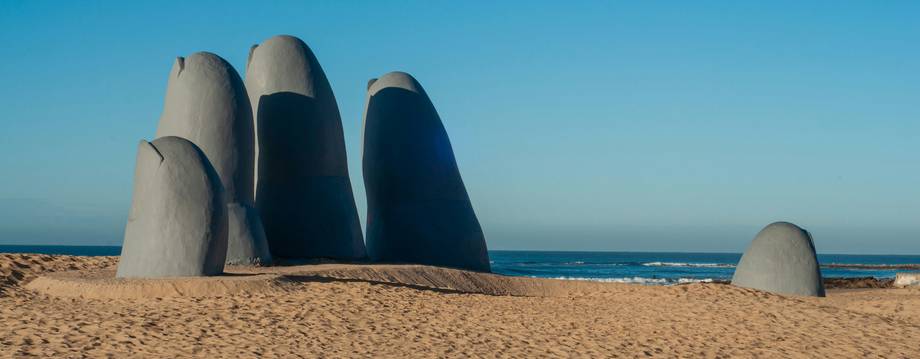
Punta del Este
Perhaps the most significant wine region for tourism beyond these is in the far north-east, in Rivera. Right on the border with Brazil, the region attracts Brazilian tourists making weekend visits to Uruguay, and wineries including Cerro Chapeu receive significant numbers of visitors from across the border each year.
Deep red sandy soils and a more continental climate offer a totally different face to Uruguayan Tannat, with softer tannins and riper fruit, while varieties including Nebbiolo also perform well here. The vineyards around Cerro Chapeu rise to around 220 metres, making this one of Uruguay’s more elevated and distinctive wine landscapes, with unusual flat-topped hills breaking up the horizon.
The inland regions of Uruguay also offer some wonderfully unspoilt countryside and hiking, as the population thins out to leave a blissfully peaceful landscape to explore. For anyone willing to venture beyond the established wine routes, it offers another, quieter side of Uruguay.
Share this article
You’ve reached your limit of 5 free articles this month.
Unlock unlimited access and more
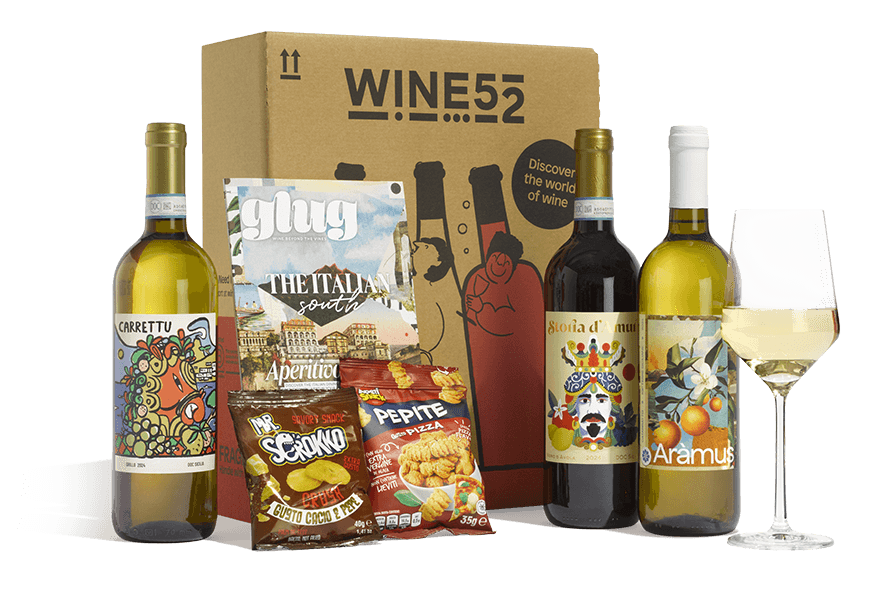
Join Wine52 and get your first month half price
-
Get your first box for £18 (RRP £36).
-
3 wines & 2 snacks delivered monthly.
-
Printed Glug magazine included.
-
Unlimited access to all online content.


