A new taste of Uruguay
From asada to cutting-edge gastronomy

Jacopo Mazzeo
Photography © Uruguay Wine
Wednesday 04 November 2026
This article is from
Uruguay
issue 68
Share this article
In Uruguay, wine belongs at the table. “Sunday lunch, an asado with friends, a family gathering, with wine always there,” says Fabiana Bracco, fourth-generation owner of Bracco Bosca, a family winery with Italian roots. “It is less about ceremony and more about sharing.”
Uruguay has always been something of a unique breed. In a corner of the world often shaped by cultural conservatism, shifting political fortunes, and social tensions, Uruguay was built on bold, forward-looking policies, remarkably strong and reliable institutions, and a relatively unified society shaped largely by its Spanish and Italian immigrants.
Bracco explains that the country’s European heritage continues to determine its modern identity nowhere more clearly than in its gastronomy. There, high-quality local ingredients meet a strong culture of sharing meals around the table. “Uruguay is a country shaped by immigration, particularly Italian and Spanish, and that explains a lot about our relationship with food and wine,” she says.
The asado barbeque, typically paired with rich Tannats, is indeed the real epitome of Uruguayan food culture. It represents far more than a meal: it is a social ritual and an integral part of everyday life. The asado is where the country’s deeply communal approach to food meets the riches of its natural landscape, its vast grasslands and abundant rainfall providing ideal conditions for producing exceptionally tender and flavourful beef.
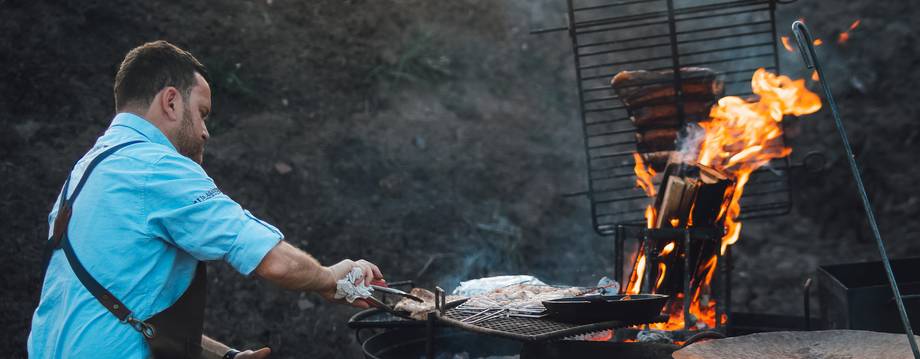
“The asado remains at the heart of Uruguayan identity,” says Christian Wylie, Managing Director of Bodega Garzón, one of the country’s most successful and internationally recognised wineries. “It is not only one of our most beloved culinary traditions, but also an important social experience that brings together family and friends. What makes our asado unique is the quality of the ingredients and the simplicity of the preparation: traditionally cooked over wood embers or charcoal, the focus is on respecting the product and allowing its natural flavours to shine.”
Alongside asado, Uruguayan cuisine encompasses countless dishes built on a strong Spanish and Italian foundation. Milanesa, for instance, derives from the Italian cotoletta alla milanese (Milan’s breaded veal cutlet) and numerous types of pasta are ubiquitous, from Ñoquis (potato gnocchi) to lasagna. Meanwhile, puchero – a hearty winter stew – and dulce de leche are two traditional staples that bear the mark of Uruguay’s Spanish ancestry.
Then there are dishes that reveal their European roots through a distinctly New World, Uruguayan lens. Capeletis a la Caruso, a type of filled pasta, hints at northern Italy but comes with a filling and sauce that are pure domestic inventions. And then there is the chivito, Uruguay’s most ubiquitous sandwich, famously invented in the 1940s as a lavish stack of beef, ham and mozzarella, inspired by an Argentinian dish of grilled baby goat.
The 21st Century Uruguayan Cuisine
While historical dishes remain very much revered, over the past decade the country has seen an exciting evolution in its culinary scene. Building on traditional flavours and local ingredients, chefs across Uruguay are bringing a more contemporary perspective by embracing new techniques and ideas. The approach to wine is evolving hand in hand with this gastronomic metamorphoses, moving beyond the simple glass of table plonk traditionally served with meals (another legacy of Uruguay’s Mediterranean cultural heritage) towards an approach that celebrates the growing quality and ambition of winemakers, and the natural affinity between their liquids and modern dishes.
Uruguay has a wine culture that is deeply tied to the family table and to everyday life
“Uruguay has a wine culture that is deeply tied to the family table and to everyday life,” says Santiago Degasperi, whose hip wine bar, Viti Bar de Vinos in Montevideo, embodies the country’s vibrant new approach to gastronomy. “This is the weekend asado logic, and that special bottle of powerful Tannat opened only for a special occasion rather than any random Tuesday.” Degasperi argues that this mentality has been changing rapidly over the past handful of years, particularly among younger generations. “Now they are drinking wine differently: by the glass, during the workweek, without the old solemnity, and often before eating rather than the usual big red to pair with an asado.”
But the country’s gastronomic evolution has not only transformed how chefs make food, how people approach it, and what they drink with it; it has also driven an even more fundamental revolution in the types and styles of wine being produced. “We still love our asado (I don’t think Uruguay will ever abandon that!) but there is much more curiosity now,” says Bracco. “Younger chefs are looking at local vegetables, Atlantic fish, seafood, seasonal produce and more delicate preparations. And the same thing is happening with wine. We have a new generation of winemakers exploring fresher liquids, less extraction, different varieties, co-fermentations, orange wine, claretes, and less intervention in the winery.”
Such a remarkable stylistic expansion provides Uruguay’s evolving modern gastronomy with a far broader palette of vinous flavours, aromas, textures and colours to better complement its increasingly diverse range of dishes.
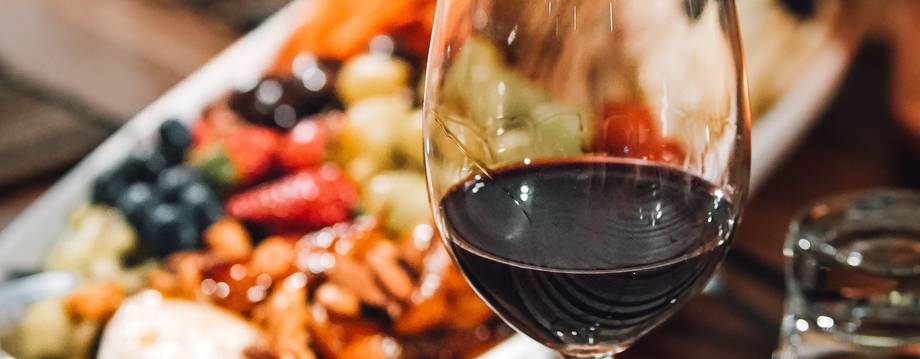
“These styles are an expansion of Uruguayan wine’s vocabulary, giving options for moments and dishes where there previously was not much to choose from,” says Degasperi. Albariño is giving Uruguay its own white wine identity, something it traditionally lacked with its historical focus on big Tannats, while offering restaurants a perfect pairing for the spectacular seafood available along Uruguay’s coast. Pét-nats add further tools to the sommelier’s weaponry: “Freshness, low intervention, a drinkable rather than analytical quality that connects directly with the more casual drinking habits of younger generations, continues Degasperi. “Orange wines, meanwhile, are super versatile, pairing with very distinct dishes, from cheeses of varying intensities to seafood, fish and citrus salads, stepping well outside of expected pairings.”
Uruguay has gained much from its recent transformation: a more nuanced and engaged approach to food and wine, a richer culinary landscape, and a far more expansive wine repertoire to accompany it. Yet, for all this newfound diversity, it has remained faithful to the foundations of its gastronomic culture: the principle that both exist first and foremost to be shared, savoured and enjoyed.
“For me, that is one of the most beautiful things about Uruguayan wine culture,” says Bracco. “Wine is not something distant or intimidating. It is part of conversation, friendship, food and family. The exciting thing about Uruguay right now is exactly this combination of tradition and freedom and the best way to understand this is to come here, sit at a table, open a bottle and stay longer than you planned. That is quintessentially Uruguayan.”
Share this article
You’ve reached your limit of 5 free articles this month.
Unlock unlimited access and more
Join Wine52 and get your first month half price
-
Get your first box for £18 (RRP £36).
-
3 wines & 2 snacks delivered monthly.
-
Printed Glug magazine included.
-
Unlimited access to all online content.


