Drink in the dirt
Our resident wine expert, Archie McDiarmid presents his beer lover’s guide to the complex issue of wine ‘terroir’.
Archie McDiarmid
Tuesday 03 June 2025

This article is from
Beers of The North
issue 5
Share this article
What it terroir? Please adopt a needlessly terrible French accent and repeat after me: “tare WAHr” is quite literally the French for ‘soil’ or ‘earth’.
It is one of the most used and least understood words in the world of wine. Wannabe wine dorks will use it like a magic word to explain some ethereal quality in the wine they just spent too much money on in a fancy restaurant, but equally, world class wine makers will talk about a site’s terroir as the reason they flew half way around the world and dedicated years of their life to the care of a particular plot of vines, striving to make the perfect wine.
For many years it was the great divide between the ‘old’ world of France, Italy and Spain and the ‘new’ world, particularly Australia, New Zealand and the US. As one Aussie winemaker famously put it in the 1980 (just for balance, please adopt a needlessly terrible Crocodile Dundee accent and repeat after me) “Terroir mate? That’s just a poncey French word for dirt that lets you charge another 20 dollars a bottle”.
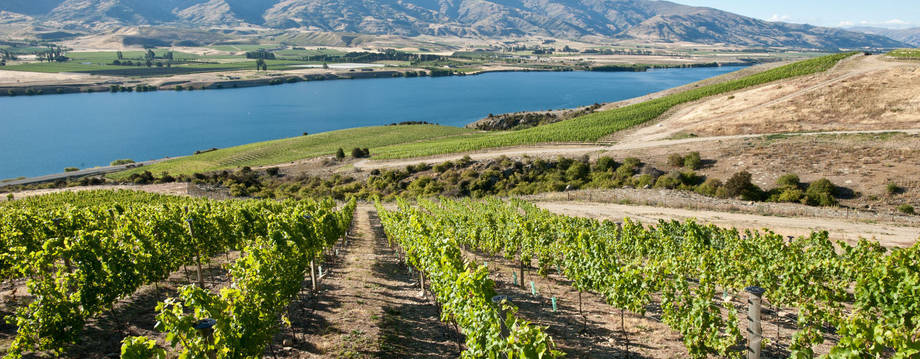
Fortunately, something like a consensus has been reached in the last few years, as almost every winemaker, new world or old, appreciates the role that the unique microclimate in which their grapes are grown plays in the finished wine. So the best description we can come up with is that terroir encapsulates the ways in which the natural characteristics of a specific place – the soil, the climate, the weather, the layout of the vineyards and anything else that can possibly differentiate one piece of land from another – effects the flavour and appreciation of a wine.
Interestingly, while it has been a subject of intense debate in the wine world, the idea that where you make your beer might give it a unique flavour is totally commonplace. The brewers of Burton upon Trent once brewed a quarter of Britain’s beer because ‘Burton water’ was held to be the best for brewing anywhere in the country.
Visit Cantillion in Belgium and they will explain the how their layout hasn’t changed in decades, so as not to disturb the airflow through their brewery which might threaten the perfect balance of wild yeasts that make their sours and lambics among the most sought after in world. The hop heads of the Pacific Northwest in the States often claim that their IPAs are the world’s best because they get the freshest hops, straight from the hop farms of the Yakima Valley, weeks before anyone else can lay hands on them.
The difference perhaps is all about the how readily you can test the claim – a brewer can make the same beer, with the same recipe, making tiny tweaks each time dozens of times a year, so if they suspect that the Burton water version is better than say, the Peckham Springs one, they find out incredibly quickly. A winemaker on the other hand only really gets to make wine once a year, so they overthink and overemphasise every aspect of production, turning it in to a near mythical process where arguments about how the final flavour was achieved are almost guaranteed.
The most obvious demonstration of how terroir shapes a wine is how a single grape performs differently in different regions where winemaking philosophy is roughly similar – sort of like a single hop series of beers, with the same base recipe where only one significant ingredient is changed.
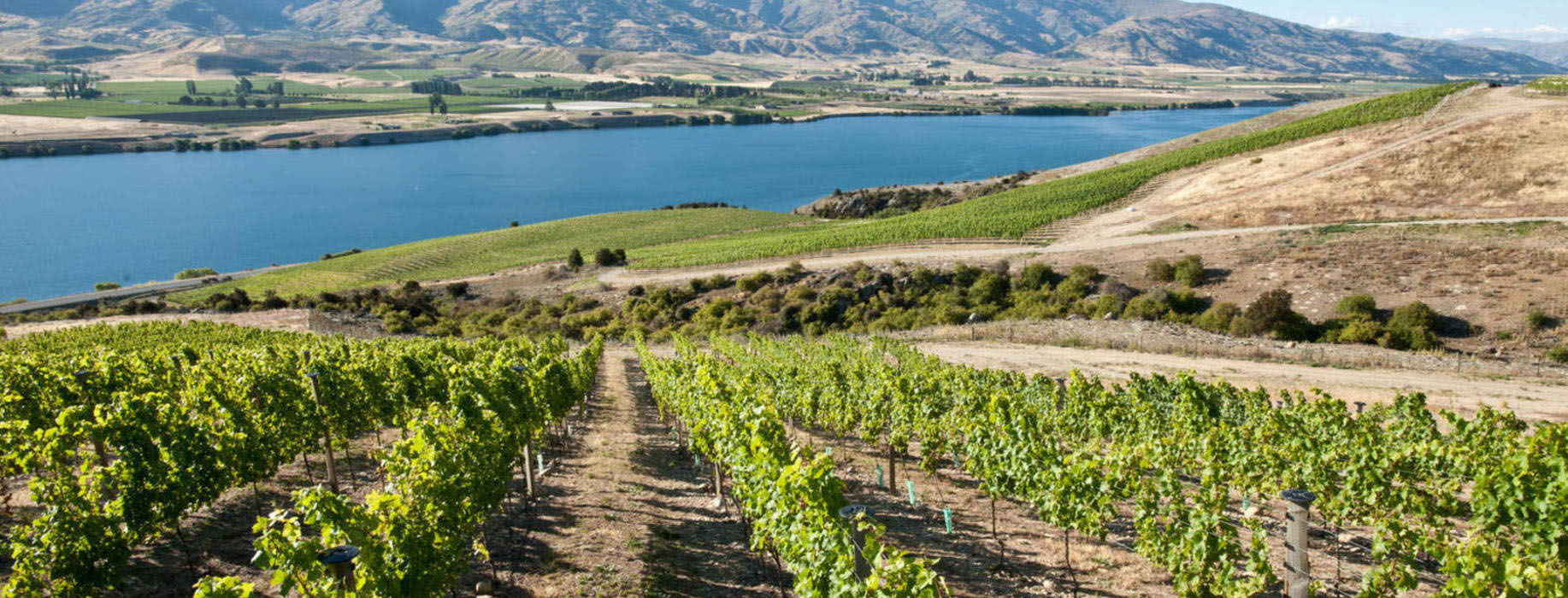
In independent wine shops this month there is a celebration of New Zealand Pinot Noir taking place, titled, with Ronseal-like efficiency, Pinot Noir NZ. Up for grabs is a chance for the three most inventive shop keepers and three randomly drawn members of the public to travel to New Zealand for next year’s Pinot Noir harvest and to see the vast diversity of styles that exist in one grape, in one relatively small wine-making nation. In your local indie, expect to find them talking about juicy, red berry flavours of Pinot’s from Marlborough compared to the richer, more savoury examples from Central Otago or the silky, yet spicy wines from Nelson. Continue your odyssey around the islands and you’ll find each region claiming its own unique take on the grape and terroir is often the key.
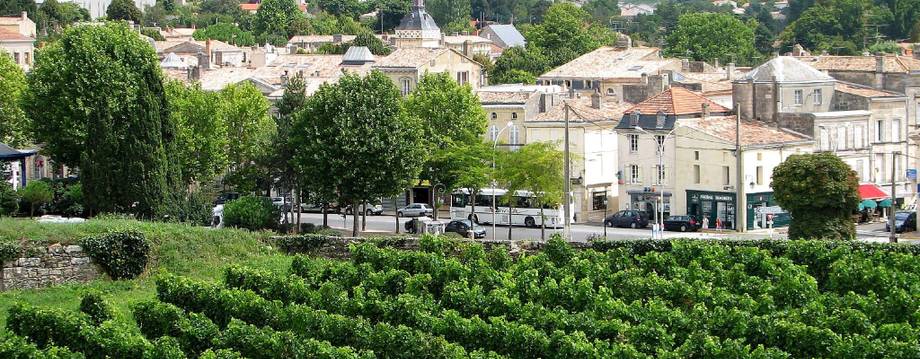
This drive to find unique bits of the world to produce wine has led to some absolute extremes, for the good and the bad. If you fancy trying your hand at winemaking in some of the most famous terroir in the world, the Grand Cru vineyards of Burgundy in France, you have to be extremely talented and get someone to hire you, or eye-poppingly well off. A single acre of vineyard, enough to produce around 200 bottles of wine per year, can cost your around £3.5million, but at least for that money you are guaranteed that you’ll be working with some of the best grapes.
If you want to start from scratch things can get… challenging. Winemakers in China, now the world’s fifth largest grape grower, who are searching for the best places to grow often settle in the Xinjiang region in the extreme north-east of the country. The only problem is that the vines need to be buried every winter to avoid them being killed by frost, while in summer, high temperatures threaten to dry the vines to the point of dehydration and death if they are not constantly irrigated.
Even this is nothing compared to the challenges facing winemakers in the Atakama dessert who have to import everything from their water to their top soil because, as one Italian consultant put it, “I’ve seen more life in soil samples from Mars than you find in the Atakama!”
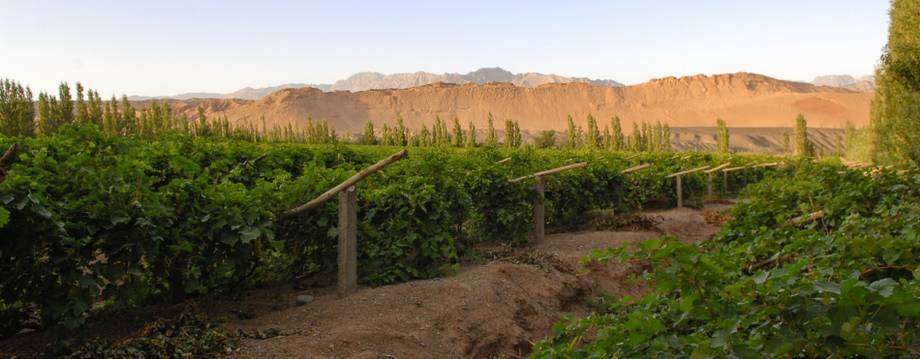
Winemakers go to these extraordinary lengths because the right terroir can give your wines an edge that no amount of clever technique or marketing nous can create. The minty, eucalyptus notes of Cabernet Sauvignon grown in the Terra Rossa or ‘red earth’ of Coonawara in Australia is extraordinary the first time you taste it and found almost nowhere else on Earth. If you can summon up the courage to build a winery on the slopes of a volcano, Mount Etna in Sicily say, you are blessed with wonderfully fertile, mineral rich soils that impart wines with incredibly rich and complex aromatics that will send critics and customers alike into raptures.
So aside from awesome stories to tell your friends, why should you look for wines with truly unique terroir? Well, to bring it back to be beer, the big macro brewers don’t set out to make ‘bad’ beer, they set out to mass produce a consistent product that will taste identical, year in, year out, worldwide. Quality is compromised for consistency, interesting flavour profiles dropped for economically viable ones.
Wines that lack terroir - think ‘super regions’ like South East Australia (which is larger than most countries in Europe) France’s Pays d’Oc or Chile’s Valle Central - are the macro brewers of the wine world. They provide cheap, plentiful and generally utterly forgettable plonk for the supermarkets.
Wines driven by their terroir are the microbreweries – flavour is king, every glass should give you a sense of the place it was made and the passion that drove a winemaker to spend months caring for the soil, the vines and the grapes they provide with maniacal focus. Terroir then might be a fancy word for dirt, but it is also a byword for quality, passion and wine well worth seeking out.
Share this article
You’ve reached your limit of 5 free articles this month.
Unlock unlimited access and more

Join Beer52 and get your first month half price
-
Get your first box for £13.50 (RRP £27).
-
8 beers & 2 snacks delivered monthly.
-
Printed Ferment magazine included.
-
Unlimited access to all online content.