SMALL Gods
Micropubs are becoming more popular because they represent the values of the original pub. Even as the number of UK pubs continues to dwindle overall, the micropub sector is booming. Alex Wright looks into the rise of the little guys
Alex Wright
Tuesday 02 June 2026
This article is from
Norway
issue 11
Share this article
Micropubs are becoming more popular because they represent the values of the original pub. Even as the number of UK pubs continues to dwindle overall, the micropub sector is booming. Alex Wright looks into the rise of the little guys
More than 20 pubs are closing every week, according to the Campaign for Real Ale (CAMRA), sunk by high duty and supermarkets selling cheap alcohol. Since their heyday in 1951, the number of pubs in England and Wales has fallen from 73,421 to 52,750 in 2016. Bucking this trend though, the number of micropubs has almost doubled in the past year, with more than 250 opening across the country over the past decade, according to the Micropub Association. And, with real ale’s market share at 55% of on-trade ale sales – forecast to reach 70% by 2020, that number seems destined only to increase.
According to the Micropub Association’s definition, a micropub is a “small freehouse which listens to its customers, mainly serves cask ales, promotes conversation, shuns all forms of electronic entertainment and dabbles in traditional pub snacks”. In other words, being a micropub as the Association defines it isn’t just about scale; it’s about recreating what many would view as the ‘traditional’ British pub experience that intuitively should be in decline.
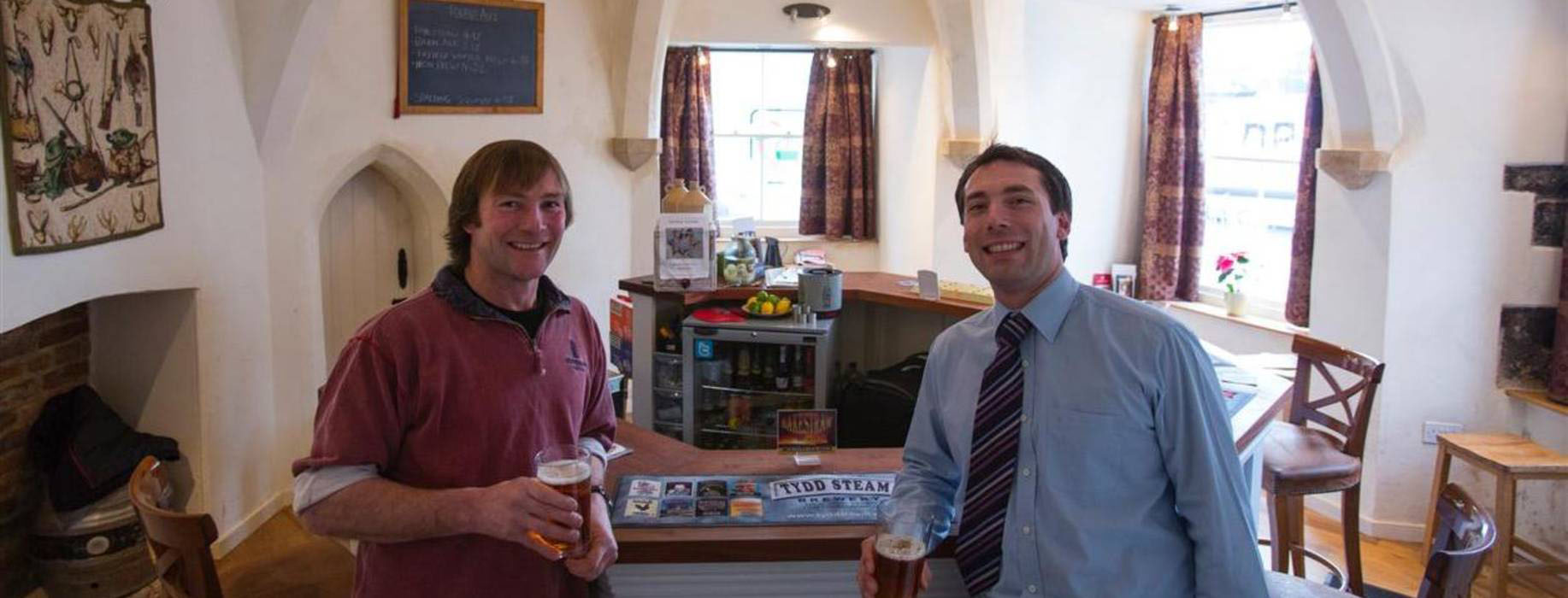
So, what has driven this trend-defying surge in tiny traditional pubs? The 2003 Licensing Act has undoubtedly played a key role, making it easier to open a pub in previously-unlicensed premises. While a large number have opened in empty high street shops, others have sprung up in more unlikely venues, such as train stations, post offices, disused industrial buildings, former butchers’ shops, pet grooming parlours and even undertakers.
Progressive Beer Duty, introduced in 2002, and the increase in the number of microbreweries and real ales available, have also helped, as has the fact that most micropubs operate below the £83,000 VAT threshold. The start-up costs are also minimal compared to a lot of small businesses, ranging from £3,000 to £30,000. Many are set up by husband and wife teams, community groups, or entrepreneurs.
Yet it’s the customers who are at the heart of this quiet revolution, and their appetite for simple, relaxed spaces in which to enjoy a quality pint and a chat with friends.
Kent – heart of the micropub revolution
The largest concentration of micropubs is in Kent, where Martyn Hillier, co-founder of the UK Micropub Association, opened what was arguably the first micropub, Butcher’s Arms, at a former butcher’s shop in Herne in 2005. Since delivering his presentation at CAMRA’s annual general meeting in Southport in 2009, Martin’s pub – along with the entire micropub sector – has really taken off.
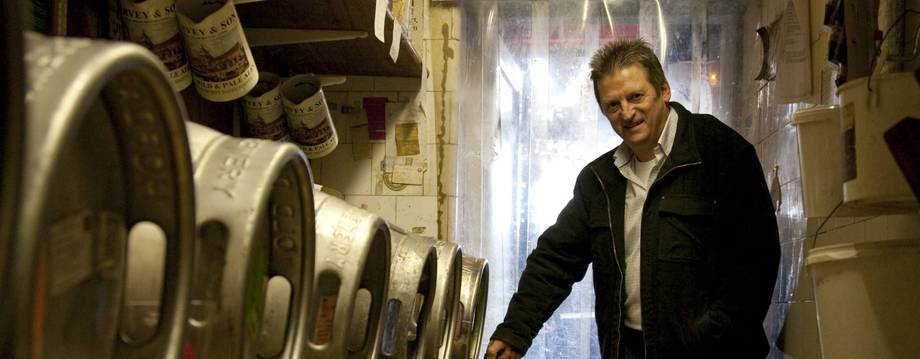
Martin says the idea of owning a micropub would appeal to an older generation of beer enthusiast who is often retired and can choose their own hours. “I have been trying to push the concept of the micropub as much as I can,” he says. “It’s ideal for a middle-aged gentleman or lady who has just taken early retirement, their local pub has closed and they have £5,000 to £10,000 in the bank. “You aren’t restricted by the old licensing laws, so you can open and close when you like, within reason.”
Martyn says there is no secret to setting up a micropub. Finding small premises and adding a cooler, a cold room for the beer and a few tables and chairs is all that’s required. “Start off with the basics,” he advises. “The key is not to try and be all things and to all people. Here, we are a village pub for village people. At the end of the day, it’s about bringing the local community back together.” Martyn adds that micropubs can help boost the local economy as well as providing a place for local people to meet. “The big pub chains with their loud jukeboxes and TVs have been sucking the money out of villages and towns for far too long,” he says. “You don’t get that in a micropub, where the owners are often local and have a vested interest in the community.”
Unique location
A more recent addition to the scene, Gregg and Julie Beaman set up The Snug Micro Pub at Carnforth Train Station, Lancashire, in August 2012. Despite having no previous experience, they decided to take the plunge after learning about the micropub concept. Then it was just a case of obtaining a premises licence and getting planning permission to convert the former retail unit.
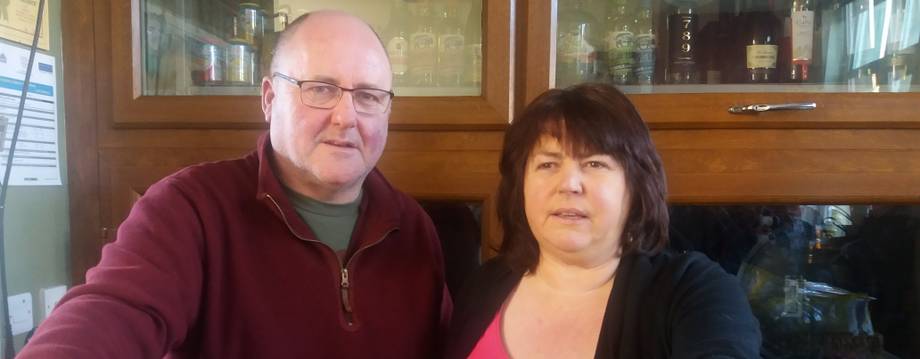
“We thought it was a great idea and an opportunity to open the kind of pub that we as customers would want to visit,” says Gregg. “The beauty of micropubs is that, because they are small, by nature they are very sociable places to go.
“Because of our location, we get all sorts of people in here, from our core local customer base to passengers who are waiting for a train or are just passing through. But, at the end of the day, they are all just looking for a place where they can sit and enjoy a quiet drink.”
Rapid expansion
But micropubs aren’t simply a nostalgic reaction against the perceived brashness of more modern pubs and bars. The successful ones are also real businesses. David and Nicola Holland have opened two micropubs in the past two years, both of which have thrived by carving out a niche for themselves. The first, The Wight Bear in Southbourne, Dorset, was set up in June 2015, and was quickly followed by a second, The Saxon Bear Ale House in nearby Christchurch in April 2016. “We had no prior experience,” says Nicola. “We just liked real ale and quirky old pubs and we had heard about the micropubs so we did our research by making a trip to visit some in Kent. The rest is history. The Wight Bear was a real success, the customers loved it because there was nothing quite like in in the area, so we thought ‘why don’t we do another one?’”
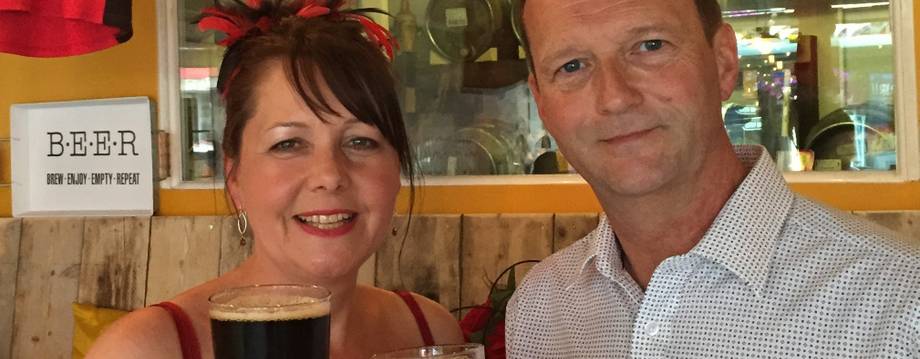
The Wight Bear was formerly a greetings card shop that had closed and had been empty for 18 months, while The Saxon Bear was a vacant former lettings agency, said Nicola. Both micropubs, which are run by a team of 12 part-time staff, serve predominantly cask ale straight from the firkins, as well as some bottled beer and local wine and spirits, accompanied with scotch eggs, pork pies and cheese boards. “Micropubs are becoming more popular because they represent the values of the original pub; a quiet place you can go and have a drink, talk with your friends and not have to put up with loud music and TV screens everywhere,” says Nicola. “The number of micropubs has doubled over the last year, but this is only the beginning – with so many exciting new beers being made by the microbreweries, pretty soon we are going to see them springing up everywhere.”
The personal touch
Former draughtsman Phil Ayling opened the UK’s third micropub, Just Beer in Newark, Nottinghamshire, in August 2010. Out of work for three years, he was inspired by Hillier’s CAMRA speech and borrowed some money from his wife and set up the micropub with his three business partners Duncan Neil, Paul Murphy and Stewart Young. “I was gobsmacked at how simple the concept was and couldn’t believe that nobody had thought of it before,” says Phil. The partners found a site dating back 450 years that had previously been used as a print works, art studio and gallery and a blacksmith and opened it 18 months later.
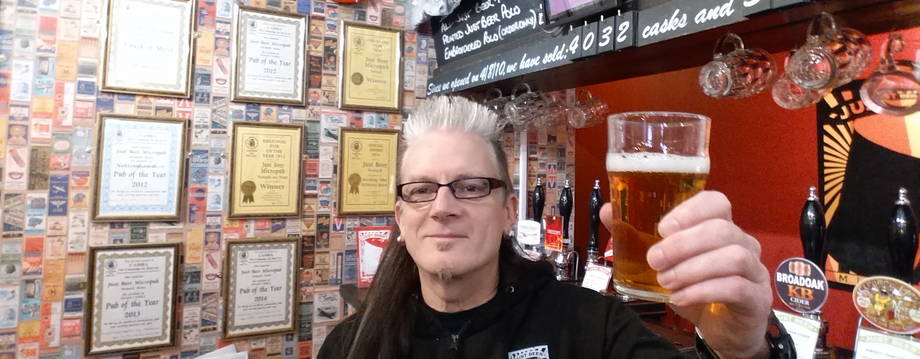
“Anyone can go into WHSmith and get a book on beer making,” says Phil. “But you’ve got to have the knowledge, enthusiasm and passion for the beer; that’s the most important thing and then everything follows from there. It’s easy to set up and there are few overheads, so you can also make a decent living.” Phil puts the micropub’s success down to providing the customer with the personal touch and making them feel at home. “With our micropub, there’s a sense of belonging, unlike many pubs which are very impersonal and corporate,” he says.“We’re an old-fashioned pub, but with a modern outlook.”
A piece of history
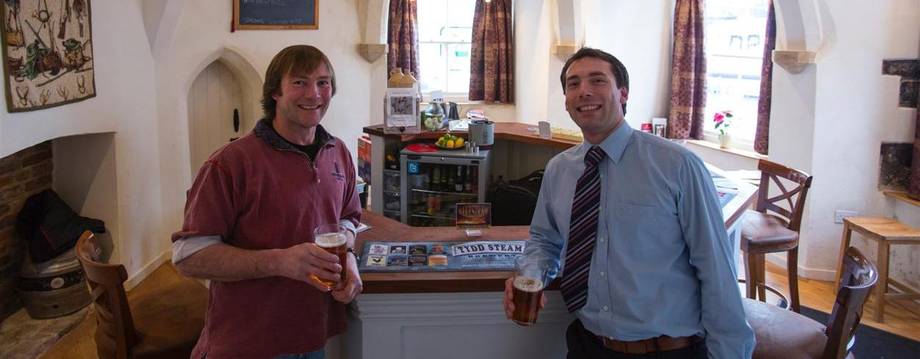
Charlie Rawlings and Nathan Marshall launched the Prior’s Oven in Spalding in December 2013. Having been to see some of the micropubs in Whitby in action, they decided to start their own and found a premises in the town’s old priory. One of the biggest attractions was the building’s history, says Nathan. “It’s an 850-year-old building which was formerly used as a priory and prison cells, so it’s steeped in history,” he says. The business partners already owned a microbrewery, Austendyke Ales, so this was the next logical step, says Nathan. “We didn’t do it to make a profit, otherwise we would have been out of business a year ago.” The micropub serves six real ales, local farmhouse cider and spirits, and Nathan credits real ale for the success of his business. “It has coincided with real ale becoming fashionable again and because a lot of the beers now are so light and hoppy there’s a real ale out there for everybody,” he says.
Hand in hand
Robin Smallbone and Michelle Gordon decided to set up a micropub to complement their microbrewery, the Rockin Robin Brewery in Maidstone, in November 2016. “We used to entertain groups of people at our microbrewery and it proved quite successful, so we decided to open a micropub,” says Michelle. “We have only been open a few months but it’s done really well.” The Beer Barn is located in the middle of an orchard in a Scandinavian shed and all the drinks are locally sourced from the brewery or the Double Vision cider maker next door.
“The beauty of the micropub is that you can come in not knowing anybody and leave having had a good evening and made lots of new friends,” says Michelle, who has worked in bars previously. Moving forward, she believes that the future of the micropub is bright. “When you look at the big pub chains, the tenancy costs are so high,” she says. “The advantage of the micropub is that the rents and the overheads are relatively cheap so it’s quite affordable.” Overall the micropub market remains small compared to the traditional pub industry, which brought in £18 billion in 2016, according to the British Beer and Pub Association. But with the rate at which micropubs are opening, there’s bound to be one springing up near you in the future.
Share this article
You’ve reached your limit of 5 free articles this month.
Unlock unlimited access and more

Join Beer52 and get your first month half price
-
Get your first box for £13.50 (RRP £27).
-
8 beers & 2 snacks delivered monthly.
-
Printed Ferment magazine included.
-
Unlimited access to all online content.