Brewgooder
Making waves, above the noise
Robyn Gilmour
Photos:
Brewgooder
This article is from
Beer On Trend
issue 91
Share this article
“The idea was for this to be the most accessible style of the new trends box” says Brewgooder sales director, Chris Beaver. “People are familiar with what an IPA is and know what to expect in terms of flavour and aroma, but the ways that a cold IPA differs from that are intriguing in a very accessible way”, referring to the smooth, understated flavour that comes from brewing an IPA with lager yeast, and at cooler temperatures. To this, co-founder James Hughes adds that “our intention through innovation is to definitely excite drinkers but also to make beers that can be enjoyed by as many people as possible, because ultimately that enables more beer to be enjoyed and more impact to be delivered”.
I can’t help myself but here imagine the beanie’d and birkenstock’d beer drinker, rolling down the sleeves of their already short-sleeved t-shirt, crestfallen that their favourite beer style might be considered to hold far reaching appeal, and no less, by people using that accessibility to benefit our planet and the people living on it. With Brewgooder being now, more or less, a household name in the UK, you’re likely familiar with the impact-led model that co-founders James and Alan Mahon based the brand on; every single Brewgooder beer enjoyed since 2016 has supported the funding of people and community projects undertaken through the Brewgooder Foundation, with the supplying of clean water to communities in developing nations being the cornerstone of their impact.
“We have this ambition that we want to use our brand to impact a million lives by 2030” says James. “That's kind of been the number since day one, with the relevance of that date aligning with the UN's sustainable development agenda”, which in the UN’s own terms, envisages “a world of universal respect for human rights and human dignity, the rule of law, justice, equality and non-discrimination”. James continues, saying “Brewgooder is probably about a fifth of the way there in terms of impact made through our foundation and which spans clean water and sanitation projects, and since day one has been at the forefront of our impact.
“But over the years - due to our own motivations, or those of collaborating brands and partners - our methods of impact have also diversified to support other people-orientated areas such as hunger oriented initiatives, and inclusion. So, yeah, it's a super exciting time. And I guess, for all the negative news and ways that the beer industry has been impacted in recent years, it feels a little bit like a bit of a green shoot to be able to point to the fact that drinkers in the industry have made such a significant and tangible difference during this time just by doing something that they love and enjoy”.
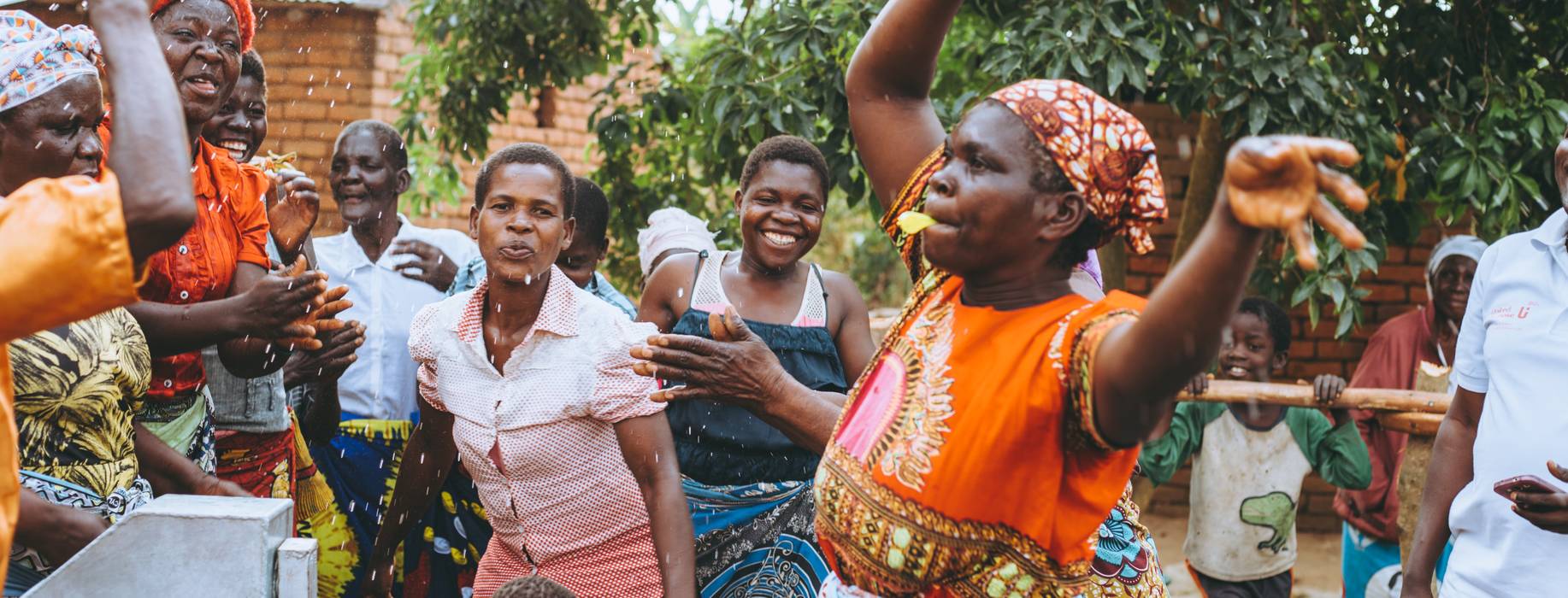
At the time of my conversion with James and Chris, Brewgooder has supplied communities across Rwanda, Malawi, Cambodia and Nepal with over 200 million litres of clean water during the seven years it’s been in operation, and more recently also branched out to work on initiatives tackling hunger, sustainability, climate action and inclusion. In addition to continuing to fund a scholarship for BAME students at Herriot Watt University, Brewgooder will split 2023 into approximately four marquee projects focusing on everything from seagrass preservation and regeneration to rewilding, all of which will, of course, take a people centred approach to climate action.
When last we spoke to Brewgooder, they’d been working on adapting their Christmas packaging to influence their online customers to support their nearest foodbank, and since then, James tells me that Brewgooder has run a collaboration with Twisted, an online resource that aims to introduce people to cooking delicious and uncomplicated food with simple ingredients. “That campaign was inspired by shared motivations between ourselves and the team at Twisted to try and make a difference to what continues to be an increasing problem around people's access to food in the UK” he says.
“The product of that collaboration was in support of an amazing initiative called Your Local Pantry, which effectively looks to evolve beyond the standard and stereotyped Food Bank model by providing people access to pantries that give them autonomy and independence, and allows them to access super healthy options, you know, fresh fruit and veg at more affordable prices. We're increasingly becoming a brand that’s not only operating for ourselves and our own motivations from an impact point of view, and is able to provide a platform to like-minded organisations that perhaps, as we’ve always done, see the power and fun of beer as a means to make impact, with us.
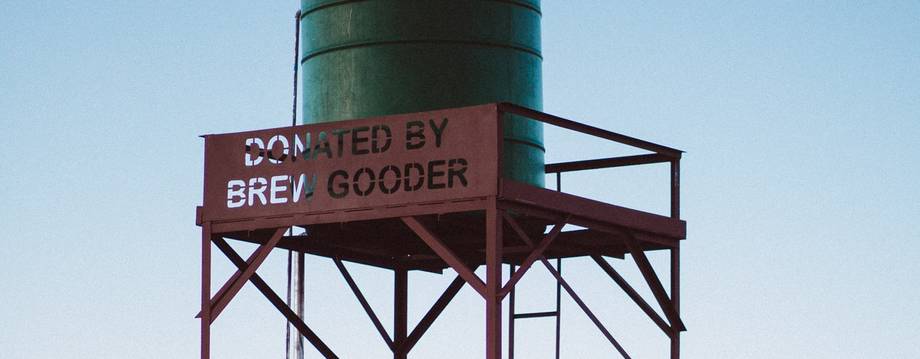
“I would now almost position or talk about Brewgooder as an impact brand that's in beer. Yes it’s often necessarily a craft brand, and the breweries that we work with enable us to make incredible craft offerings for sure, but with impact being the objective, we can eventually see Brewgooder spanning multiple categories within beer and potentially even within drinks, based on the journey we want to take” says James. To this Chris adds that “it’s kind of amazing that you can now walk into a lot of pubs, or bottle shops, and purchase a Brewgooder collab with Tiny Rebel, or Siren, or SALT, or Northern Monk. From that fact, you really get the feeling that our industry believes in what we're trying to do”.
James continues saying, “our brand is based on such a collaborative model, and has been since day one, from the production of our beer, to how we distribute it has felt almost a collective effort. Whilst there is of course the Brewgooder brand and there is a core team, we've never really had anyone within the industry, not willing to show support or get behind what we're trying to do. And I think that really just speaks to, you know, the uniqueness of the supportive nature that seems inherent to the beer industry itself.
What better motivation is there to brew, and indeed drink, brilliant beer, than the fact that if it’s enjoyed and widely consumed, people and our planet will be positively impacted. So maybe, what we’re talking about here, isn’t completely the trend of drinking Cold IPA, but the tendency of people within this industry to do what good they can with the resources they have, not least of which lies in the strength of the craft beer community.
Share this article
You’ve reached your limit of 5 free articles this month.
Unlock unlimited access and more

Join Beer52 and get your first month half price
-
Get your first box for £13.50 (RRP £27).
-
8 beers & 2 snacks delivered monthly.
-
Printed Ferment magazine included.
-
Unlimited access to all online content.