Can you see the real me?
News of brewery openings are increasingly rare these days, so feast upon the story of some new kids on the block in East Sussex.
Robyn Gilmour
Photos:
Lakedown Brewing Co.
Friday 10 January 2025
This article is from
Home Counties
issue 126
Share this article
I don’t get nervous about interviews often these days, but I’d be lying if I said that my palms weren’t even a little sweaty on this occasion. As the product of two Mods who met on a scooter-run, my ears are predisposed to perk up at the mention of Roger Daltrey’s name, frontman of The Who and co-owner of Sussex-based Lakedown brewery. Against all logic, a part of my brain entertains the possibility that Roger might appear in the background of my call with James Cuthbertson, Lakedown partner and ex-managing director of Dark Star. “He's in the business every day, so I never have to look too far for him,” says James. I’d have gulped if we weren’t already slipping into easy conversation about his days at Dark Star, the family farm on which Lakedown was built, and what life is like at the brewery since it opened in September 2023.
As James tells it, he sold Dark Star to Fullers in 2018, after which time he turned his hand to running pubs. He wasn’t particularly interested in getting back into the brewing business when Lakedown invited him out to the Daltrey family farm, and asked him to get involved in setting up a brewery. Until that point, the farm was — among other things — a destination for local trout fishers, for whom Roger, his son Jamie, and son-in-laws Des and Chris, built a small lodge, serving beer. Lockdown saw the family experiment with contract brewing, but that process hadn’t been straightforward, spurring on the idea to bring operations in-house. It didn’t take long for James’s head to be turned.
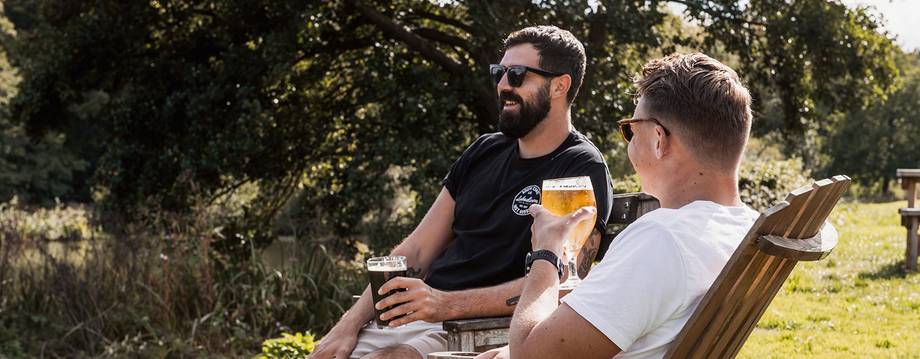
“Geez, I just fell in love with the place, and the guys are just such nice people,” he says. “It's a family business — I mean, I’m the outsider but was very quickly made to feel like a core part of the team — and it’s somewhere that’s so beautiful, so I agreed to get involved and it’s been great.” James’ experience at Dark Star clicked perfectly into place when he started working on the Lakedown brewery. “We were working with a bare piece of land but all the mistakes we made in the past with drainage routes, etcetera, meant that we could fix all that stuff,” James begins. “In the Dark Star days we had to beg, borrow, steal; whatever we could do to get what we needed. So for Roger to say, ‘I'll give you the money to do this but I want it done properly’, not many breweries get the opportunity to do that, most of the time you’re starting really small and just feeding the money back in.”
James is keen to point out that Lakedown was not a money's-no-object project, but having a budget to work within meant the brewery could drill a borehole for water, and fit solar panels for energy. “We’re quite a light-touch business, in that sense. Our spent grain even goes out to the 100 head of Angus cattle on the estate,” James notes. He continues to point out that being efficient with its use of resources has allowed Lakedown to avoid rising energy costs, and in turn charge less for its beers. Beyond that, James says “our biggest challenge here, really, is getting people to see just how beautiful it is”.
Intrigued as to why a farm in East Sussex seemed more of a Utopia to Roger than a penthouse in London or New York, I ask James about the origins of the farm. “Roger is just a huge advocate for the farming community and what it contributes to the UK economy,” James says. “He also has this deep appreciation for raw ingredients and knowing where your food comes from. Everyone around here does. We don’t grow hops here ourselves, but the Hollamby hop farm is just over the way so we get some of our hops from there. We had an NFU (National Farmers Union) meeting here on Monday night and had 40 farmers here looking at the brewing process and getting a tour of the site. On Wednesday night we do our farmers’ night, so we have farmers working and retired, that all meet up here. They'll literally turn up in tractors and all sorts, it’s quite amusing. Then the fly fishers come in — I always think of those as actors on a stage because so often people will come into the lodge, grab a beer, and take it out to the lake to watch them fly fishing.” Utopia indeed.
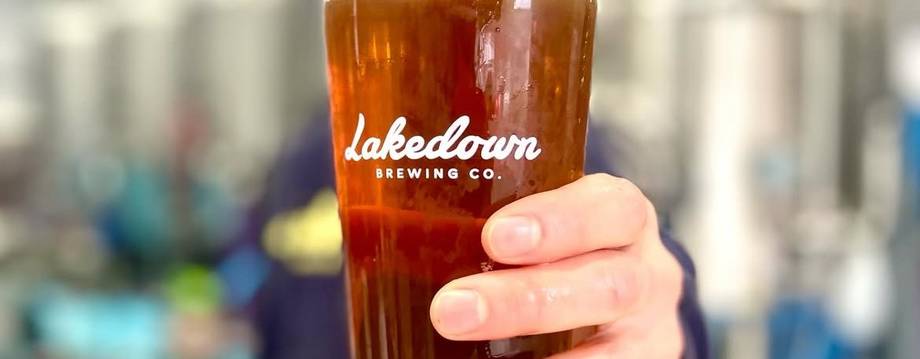
But it’s not just the landscape and agriculture of East Sussex that inspires and motivates Lakedown; the abundance of hops just across the Kent border, and the plethora of renowned breweries in the area has informed the kind of beer it brews. As James tells it, Roger was happy for the rest of the team to take the lead on the kind of beer Lakedown brewed, but his one request was that they brew “the best best bitter” and call it Kicking Donkey, after a famous old pub in the area which had shut down, but was remembered by many. As a lifelong lover of Harvey’s bitter, James was up to the challenge.
“We took Kicking Donkey as our starting point and built on that with a Sussex pale, and have a pils in there now too,” says James. “Those beers are real cornerstones of our business. I think every craft beer producer needs those two or three beers that really anchor the brewery. The rest you can play with, but you need some that become regular positions on a bar and permanent lines.”
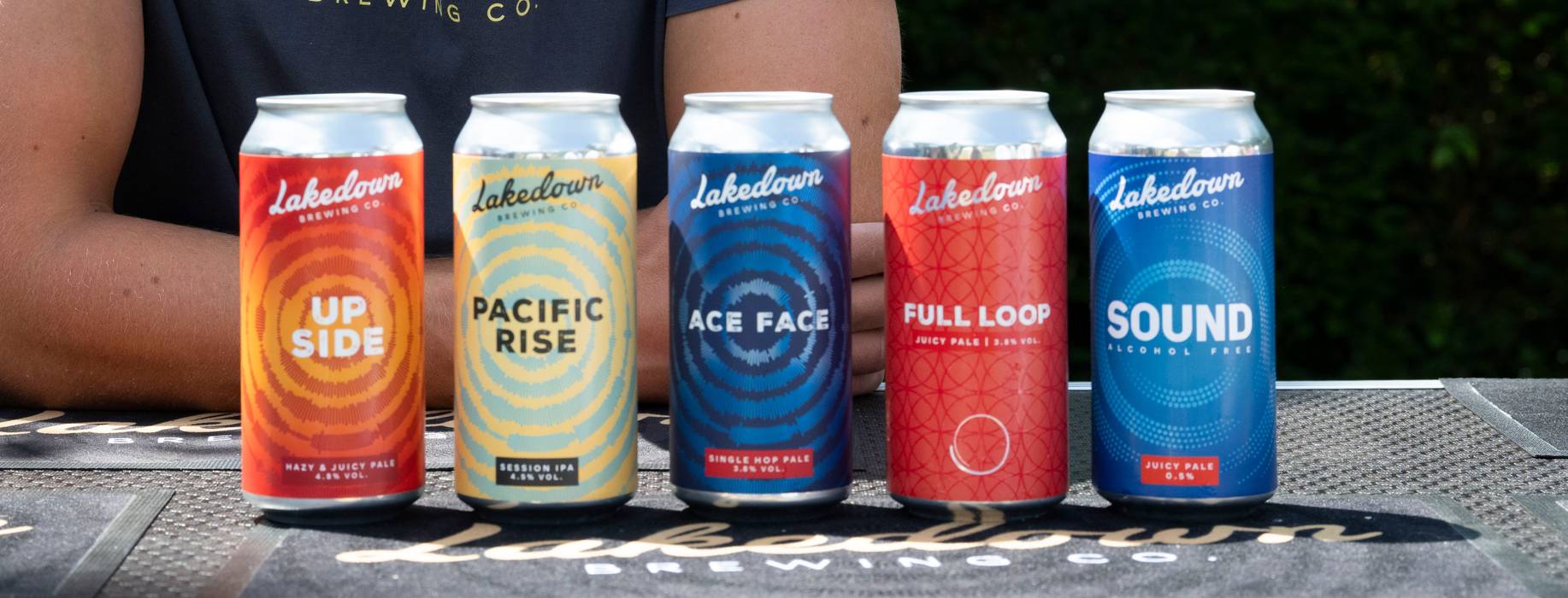
As a brewery that’s well attended by farmers with work to do in the morning, it’s little surprise that Lakedown is building its reputation on sessionability, and has even invested significantly in in-line pasteurisation technology. This has allowed it to develop three alcohol-free options that are stable enough to be poured on draft. Lakedown’s alcohol-free pilsner, juicy pale ale, and bitter are all available in-can, but equally enjoying permanent lines in all Craft Beer Co sites in London. What better way to make dry January a little more rock and roll?
Share this article
You’ve reached your limit of 5 free articles this month.
Unlock unlimited access and more

Join Beer52 and get your first month half price
-
Get your first box for £13.50 (RRP £27).
-
8 beers & 2 snacks delivered monthly.
-
Printed Ferment magazine included.
-
Unlimited access to all online content.