Viva el Bocadillo
Spain’s beer culture is inexorably tied to its tapas. Katie Mather seeks out the best regional bar-top treats, and the beers they were destined to accompany.
Katie Mather
Friday 10 January 2025
This article is from
Home Counties
issue 126
Share this article
Everyone knows that Spain’s food and beer culture is the correct one. We’ve got pork pies and cheese and onion cobs, sure, of course, but they’ve got some of the most divine and culturally rich snacks on offer everywhere. What’s more, they’re often for free.
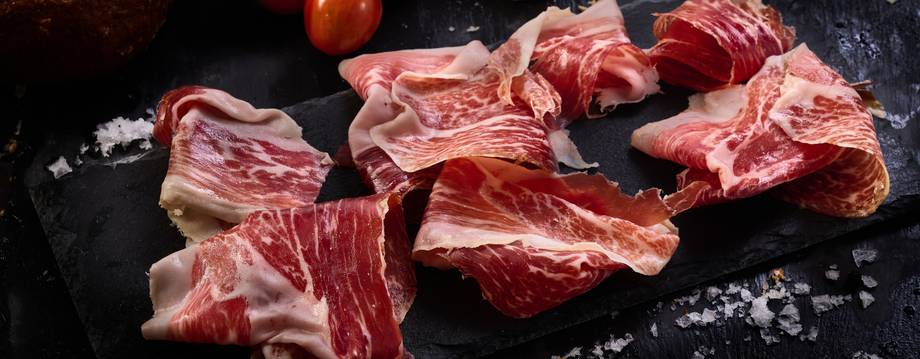
The concept of tapas is rarely explained anymore. We understand it implicitly, having had holidays — or other people’s slide shows of their holidays — to the Iberian peninsula since the 1960s. In Britain’s pubs, we eat for sustenance and ballast, to line our stomachs and to make do with something salty in lieu of going home for tea. In Spain, food is art. Don’t believe me? Look at a gilda neatly adorning its cocktail stick. The interwoven circles of a patiently-laid platter of serrano. A packet of pork scratchings can be delightful, but a plate of chicharrones just feels ritzier. Not an afterthought, but part of the ritual.
We tend to think of Spain as a wine country, and with good reason: Spanish culture has used wine as a central tenet of its identity for centuries. Deep, bull’s blood reds made from Tempranillo and Garnacha grapes, pink rosado rosés served ice cold under hot sierra sunshine. Dry white wines invite you to pause, rest, and be refreshed. All made in Spain, often from grapes indigenous to the country, for thousands of years. It’s hard to compete with a drink connection that runs as deep as that.
Many have tried though, and some actually succeeded, like the German brewer August Küntzmann Damm who opened Estrella Damm, a pilsner brewery in Barcelona, becoming the first to make a ‘Spanish style’ lager that appealed to the food-matching tendencies of his new homeland. Apparently it took some time to adjust to the idea of drinking beer rather than wine, but now a caña is a perfectly normal thing to order in any Spanish bar, with breweries like Estrella Galicia, Cruzcampo, Alhambra, Mahou and San Miguel joining Damm behind the bar.
The maltier flavour balanced with rice for a crisp finish is meant to be a better pairing for tapas, however look closely and you’ll see bars dotted about selling Amstel and Stella with no impact on the deliciousness of the food. What’s important is how cold the beer is, really. Cold enough for the glass to condensate as soon as it hits the outside air. Cold enough to seize your throat and cool your body while the sunshine beats off terracotta and whitewash. Cold enough to be gone sooner than you expected, for the anticipation of the next to be just as joyful as the beer itself.
There is good beer in Spain though, lots of it. Craft brewing here took off around the same time as it did in the UK, and while many breweries haven’t made it across to our bottle shops and bars, you might be familiar with some of the bigger names out there; Garage Beer Co. and Basqueland are favourites on the British beer festival scene. Wherever you head to in Spain, there are small independent breweries thriving in their own scene, making beers that aren’t just modern in style, but related to Spain in a deeper way too.
In Madrid, Bee Beer (a play on the Spanish word beber – to drink) serves its beers in a smart tapas bar setting, where the beer complements cheese and ham plates. Using culinary ingredients like mustard seeds, basil, mandarin and smoked malt, it crafts beers to pair with food, just like wine.
Nearby, Pez Tortilla serves traditional Madrillenian potato tortillas with gourmet twists like truffle, bollete, asparagus and shimeji. It says: “There are two types of people in life: Those who like their potato omelet runny and those who don't have a clue about life.” Served with a beer from its huge selection of taps and bottles made by Spanish breweries and brewers from beyond, there’s nothing better.
Back in Barcelona with Garage, there’s a local black pudding called morcilla. This dish is enjoyed in all corners of Spain, but every region has its preferences on how to prepare it. Morcilla is perhaps most famous in León, Burgos, and Extremadura, but in Catalonia the dish is spreadable, rich in umami, and delicious with the maltier lagers made in the area. Sometimes you find it as an ingredient in fish dishes too, a total local delicacy. In cities like Seville, Jerez and Granada, where flamenco still flourishes, the gorgeous castles and gardens of Moorish occupation show that once, alcohol traded alongside a dry, Islamic culture. Alongside sherry and fortified wines, beer is a refreshing change of pace.

PHOTO: Madrid © Nuki Chikhladze
On the white sandy beaches of the costas, holidaymakers have brought their taste for north European lager, where plates of patatas bravas are served with pints. If you do anything on holiday in Spain, you should have a radler with your gambas or calamari. Not a shandy, this is cloudy lemonade pre-mixed with lager, the most refreshingly citrussy beverage in the world, around 2% ABV, and perfect with seafood.
In the Basque countryside of the north of Spain, beer makes way for cider; tart and slightly sparkling, served with roasted snails, pork or flavoursome black bean stews. Shelter from the rain coming in from the Bay of Biscay and tuck into hearty food befitting the rugged landscape. Don’t worry, you can get beer here too if apples aren’t your thing, because the Basque country has a thriving scene of independent local breweries making anything from imperial stouts to drink with your burnt Basque cheesecake, to juicy DIPAs in the key of USA circa 2016 (ideal, as it happens, with ham croquetas). Something else that the north of Spain has is cabrales, a pungent and utterly delicious blue cow and goat’s cheese from the mountains of Asturias. It’s aged in caves, it’s somehow a bit spicy or piquant, and you can crumble or spread it clumsily on crusty bread and pair it with a local stout or honeyed, malty pale ale.
All over Spain there are local tapas dishes to seek out — the truth is, you may never find them all in a lifetime. What’s important is to try as many as you can, from the humble bocadillo, a small sandwich made from crusty bread, to the decadence of finely-presented pintxos laid out on the bar top. Enter every tapas bar you find, especially the quiet ones, because their tradition is strong, but it’s dying out. Go to a mom and pop place for a beer and a bite, and watch a disorientating Spanish soap on the tv in the corner. Get a plate of shell-on prawns from the beach-side shack where the old men are playing dominos.
Buy locally-made beer where you can, but not to the detriment of the small bars that offer so much in other ways. Often they are bound by beer company monopolies, but their food is not. Don’t be a snob. Stand under a ceiling heavy with hanging hams, elbow-to-elbow with locals, and try the Spanish phrases you’ve been practicing. Eat an olive. Eat another one. Drink a cold beer outside in the warm night air, and watch the boats bob in the harbour. Go back inside and buy a round of vermouths. Be happy.
Visit spain.info to discover more
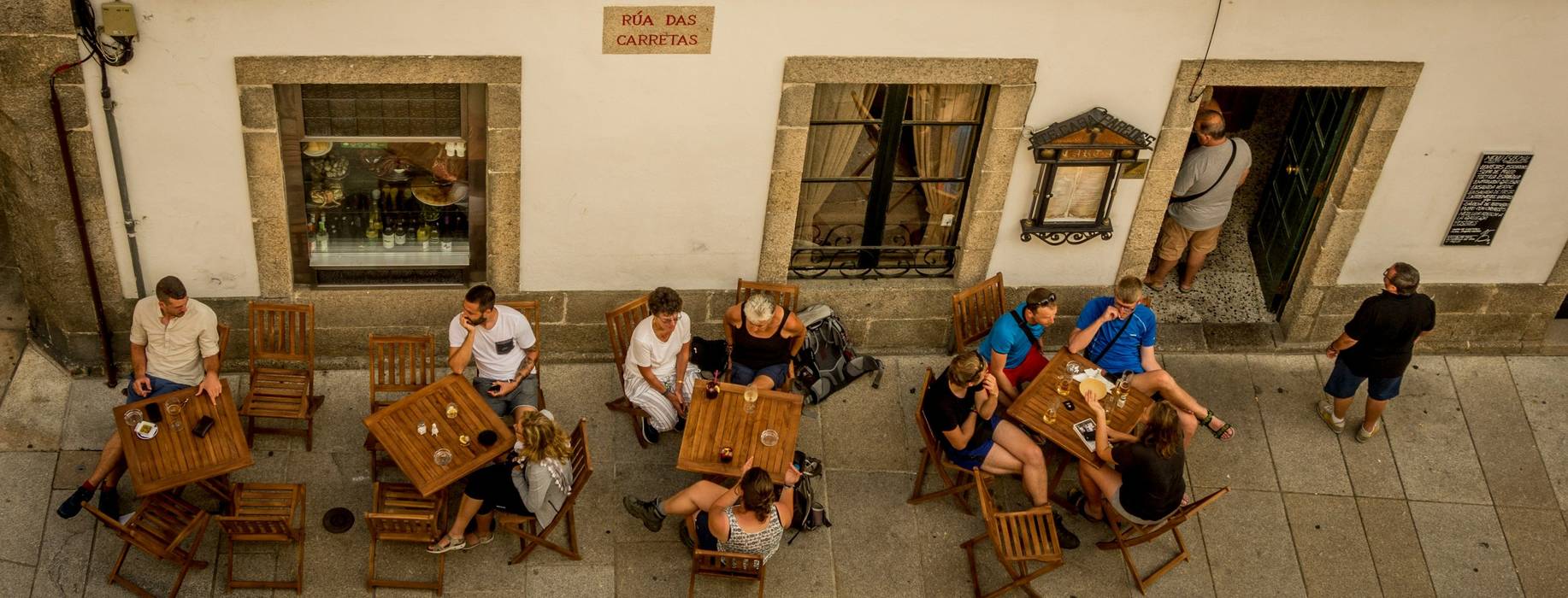
Header photo: Santiago de Compostela © Gunnar Ridderstrom
Share this article
You’ve reached your limit of 5 free articles this month.
Unlock unlimited access and more

Join Beer52 and get your first month half price
-
Get your first box for £13.50 (RRP £27).
-
8 beers & 2 snacks delivered monthly.
-
Printed Ferment magazine included.
-
Unlimited access to all online content.