Sheffield: Steel yourself
Adrian Tierney-Jones takes us on a personal journey through what is, for many, the UK’s greatest beer city.
Adrian Tierney-Jones
Saturday 25 July 2026
This article is from
Yorkshire
issue 133
Share this article
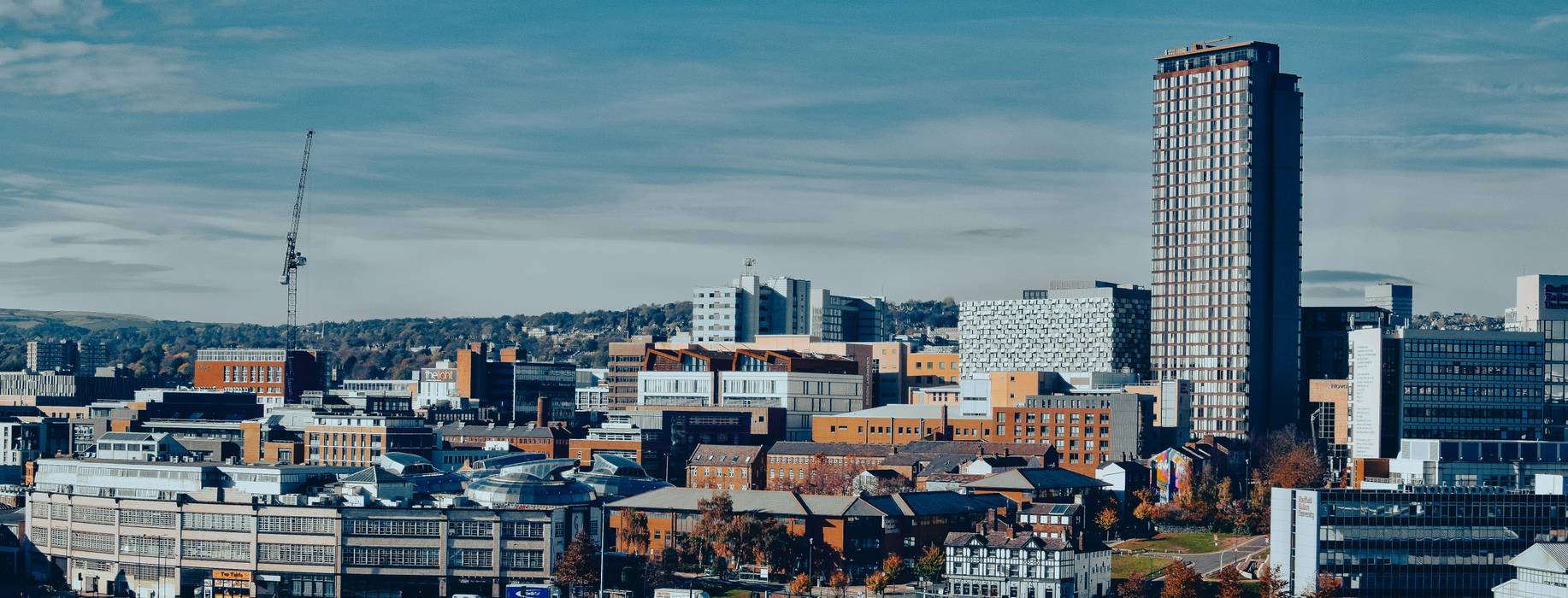
Just after midday on a Sunday and the silence of a Sheffield pub is serene as I settle in the main bar of the Fat Cat in the Kelham Island neighbourhood. My pint gleams with a golden sheen and the first taste reveals a bracing palate-awakening bitterness. It is Fat Cat House Ale, produced for the pub by local brewery Neepsend and it reminds me of Pale Rider, which used to be brewed onsite by Kelham Island Brewery until its closure in 2022. I notice another drinker to the right of me, sitting on a banquette next to a cheery-looking log fire. His glass is half full, an amber beer, and he lifts it, drains it in one and heads for the bar.
On the way to the Fat Cat I had passed a weathered stone plaque for the Don Brewery mounted on a wall. The brewery had closed during World War I, and it reminded me that Sheffield’s urban landscape is dotted with the skeletal remains of large-scale breweries that served the needs of the once thriving industries of the city. The industries and breweries declined and closed, but their memories are left in the cityscape. That is the past, but it is also the now that makes Sheffield a place of beer pilgrimage.
Sheffield’s beer and brewing rebirth started with the pioneering Fat Cat. Bought by Dave Wickett in 1981, it was the city’s first pub to major in cask beer from small producers, with a brewery added in 1990. By 1999, this tiny little building was the biggest brewery in Sheffield as all the others had closed. Wickett used to say that if someone had told him that the compact brewing room was going to be the biggest brewery in Sheffield by 1999, he would have said they were mad. Sadly he died in 2012, but his influence remains.
“Sheffield’s beer and pub culture is a joy to behold but it hasn’t always been that way,” says Simon Webster, CEO of Thornbridge Brewery and a native of the city. “Dominated by tied pubs, like most cities, it really started to find its own feet when Dave Wickett opened the Fat Cat and then created his brewery. After this waves of independent pubs cropped up in Sheffield, first around Kelham Island and then further and further afield. Now it’s a real treasure of a place to be and find some fantastic beers from local brewers and beyond.”
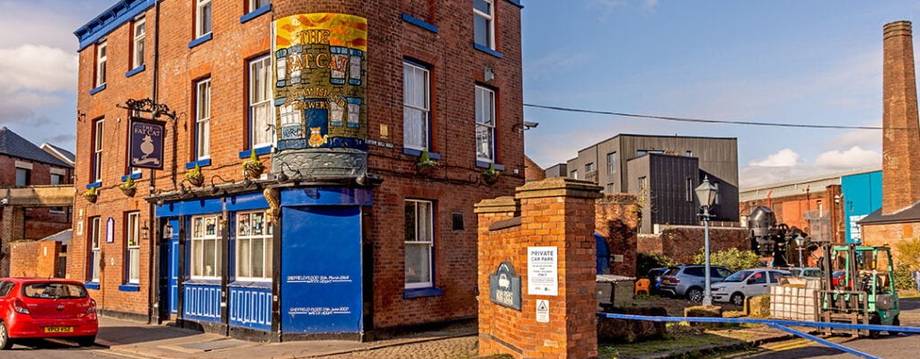
PHOTO: The Fat Cat
Even though Thornbridge produces its beers in Bakewell, its close kinship with Sheffield includes five pubs, of which the latest, The Fargate, opened in the city centre last year. I visited it earlier in spring and found a vibrant lively space of several rooms with a host of hand pumps and keg taps dispensing the brewery’s beers.
Another brewery to make its mark on the Sheffield beer scene, albeit in a smaller manner, is St Mars of the Desert, set up by Dann Paquette and Martha Holley-Paquette, whose previous brewery, Pretty Things Beer & Ale Project, brewed in Boston in the USA between 2008-2016. After several years travelling they fetched up in Sheffield and opened their brewery and taproom in the Attercliffe neighbourhood in the city in 2019. This area can be described as a declining industrial suburb, though there still remain businesses such as scrap metal merchants and tyre companies, as well as this exceptional brewery.
“We looked all over the States and in Europe,” says Holley-Paquette. “Eventually we realised we needed two things: a place with enough cheap industrial sites to accommodate us, and a place we wanted to live. Sheffield ticked those boxes, so we went for it. Massive bonuses were the existing enthusiasm for beer and brewing with decent beers, and the lovely friendly people. The landscape and cultural/industrial history definitely still make their mark on the cultural drinking scene. I love that and we are and will remain fixated on brewing the perfect saison, the perfect landbier lager, and the perfect old ale. Everything else is just fun.”
In my frequent visits to Sheffield, when I immediately make for a pint at the station’s Sheffield Tap, I have always felt an energy about the city, a confidence as well, but not an arrogance, a vivacious kind of approach to life and beer and brewing. It could be linked to its heritage as well as the attitude of its citizens, something Abbeydale Brewery’s Marketing & Communications Manager Laura Rangeley recognises.
“I think it’s a mixture of both, and many other things besides,” she says. “As a city we’re pretty stubborn, and hold on to our history and our heritage proudly, particularly with regard to our industrial past. The beer manufacturing history in particular is really strong (Wards, Stones and so on) and so I guess we feel like we’re able to take up the mantle and drive it forwards, which is something we are really privileged to be part of. I also think in comparison to other large cities, we have a greater and more visible ratio of independent businesses to large chains, and many of our pubs have a strong and fiercely independent identity that they aren’t afraid to show, all of which contributes to the city’s individuality and unique charm.”
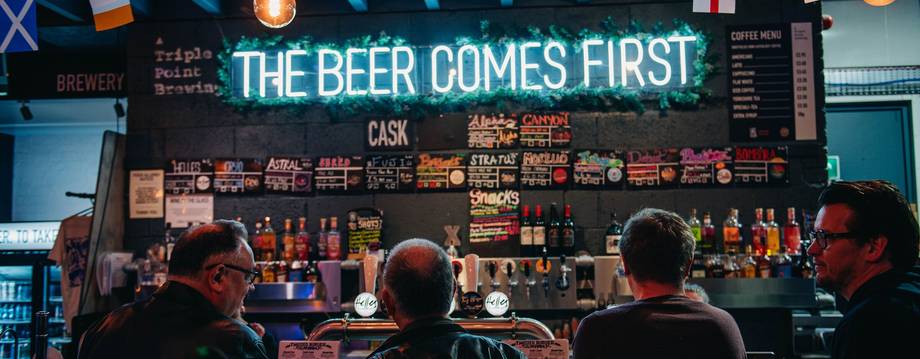
PHOTOS: Doug Banks for Marketing Sheffield
As if to confirm its belief in the city and its values, the brewery, based in the Abbeydale neighbourhood, became an Employee Owned Trust back in October 2024, just as it was reaching its 30 year anniversary. According to Rangeley, “the original owners Pat and Sue Morton were beginning to look forward to a very well-earned retirement, and thinking how best to ensure the legacy and success the business has enjoyed over the past three decades could continue. So the Trust came from wanting the business to remain as fiercely independent as it always has been, and leaving it in the hands of those who know it best”.
One of the city’s most energetic and visible ambassadors for its beer culture is Jules Gray, who owns the city centre beer shop Hop Hide-out. She is more than a shop owner though, for in 2015 she launched Sheffield Beer Week, when the idea of such an event was rather foreign to even the most craftiest of beer lovers. It has continued ever since and this year it celebrated Sheffield’s synth music heritage with 10 local breweries making musically inspired beers. She also instituted the Indie Beer Feast in 2018, which kicks off the beer week.
“I’d always really wanted to host a beer festival,” she says, “and I thought it would be a brilliant way to kick-off Sheffield Beer Week and get the buzz going. We usually have local breweries pouring, with Abbeydale, Saint Mars, Neepsend, Little Critters, Ashover, Thornbridge being previous examples, plus a nice selection from all over the UK, international, and more, with a focus on independent. I really enjoy inviting guest speakers up and offering free tasting sessions, it creates excitement and it’s a brilliant way to engage with attendees.”
Back in the Fat Cat, the serenity continues, offering tranquillity and a meditative sense of mindful drinking, though when I look at my watch I realise it’s time to head out and find another one of Sheffield’s glorious pubs. Maybe the Kelham Island Tavern around the corner or the Shakespeare up the hill or I’ll just head to the Rutland Arms. That’s the thing about Sheffield, it’s British beervana.
Share this article
You’ve reached your limit of 5 free articles this month.
Unlock unlimited access and more

Join Beer52 and get your first month half price
-
Get your first box for £13.50 (RRP £27).
-
8 beers & 2 snacks delivered monthly.
-
Printed Ferment magazine included.
-
Unlimited access to all online content.