Of beer and bolognese
Bologna boasts one of the most unique artisanal beer scenes in Italy today. Ferment’s favourite city slicker, Joey Leskin, reports on the how and why.
Joey Leskin
Saturday 22 August 2026
This article is from
Italy
issue 134
Share this article
Bologna has always been a student city; it is home to Alma Mater Studiorum – Università di Bologna, considered by many to be the oldest continuously operating university in the world. The pursuits and preferences of the students in the year 1088 probably differ slightly to those of today, yet much of the city caters perfectly to a certain style of youthful counterculture.
If you decided to search online for what the Emilia Romagna region is most famous for, however, the answer will be its special genre of Italian food. It is the source of tagliatelle and tortellini (they also have pasta that doesn’t start with a T), the sharp and sensational Parmigiano Reggiano cheese, and of course the city’s namesake bolognese sauce. This part of Italy sometimes doesn’t get the recognition it deserves in among the grandeur of Rome, the gloss of Milan and the glory of the coastline, despite being the wealthiest part of the country. Excitingly, the region of gastronomic delights continues to turn its hand towards malt as well as grapes, but unique to Bologna is the fact that its “birra artigianale” scene is a part both of the city’s edgy, student-driven culture and its sophisticated culinary palate.
Natalia Baglieri is the publican at Beer for Bunnies, Bologna’s primary venue for craft beer aficionados who want the best of the region, Italy in general, and beers from afar. “Craft beer here is about reclaiming something local in a city that's already obsessed with food. Bologna takes its food culture incredibly seriously — many pasta styles, mortadella ham, cheeses, you name it — which are all tied to identity and tradition. Craft beer found its place alongside that. It's carving out its own niche as something honest, small-scale, and made with care, the same values people already apply to a good ragù.”
These values allow craft beer to appear across the city in its various identities. Parlor is one of the most highly rated restaurants in town, with a beautiful contemporary twist on many local specialities. Their wine programme is vast, yet they have seen it essential to offer an artisanal beer selection too. “We chose to have craft beer because it can be an interesting way to give guests more choice and create different pairings with food — besides wine”, says head chef and owner Giacomo Pini. “When well-selected, beer can work so well with food in a restaurant setting. It’s not always the first choice for everyone, but when guests try it, they really appreciate it — even those who don’t usually drink it.” Parlor selects its beer with clear intention, usually featuring one independent brewery for a number of months, before shifting if necessary. “I think the important thing is not to put craft beer on the menu just for the sake of it,” notes Giacomo. “It must be chosen carefully and offered with a clear idea, as we do with wine.”
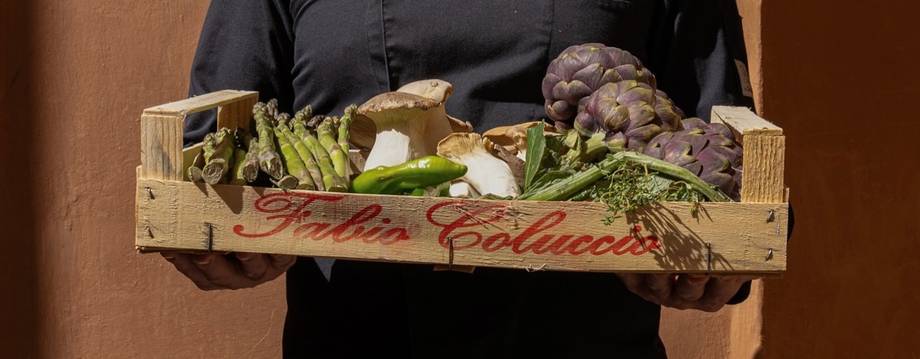
PHOTO: Parlor
Indeed, in Italy, even the best food is a shadow of its potential without a drink to accompany it, and it is no surprise that first and foremost in Emilia Romagna is wine, specifically of the Sangiovese variety. Everywhere you turn, the grape culture is featured in shop windows, restaurant menus and charming aperitivo bars, and it might feel that beer has been forgotten. “Craft beer isn’t trying to compete with the Sangiovese crowd,” Natalia asserts. Rather, craft beer is trying to find its way into more spaces, including for Italians who enjoy beer but don’t realise there are options past Peroni and Moretti. Ten years ago, customers would walk in and ask why a beer was five euros when they could get a Peroni for half that at the bar down the street. Now there's a real curiosity, especially among younger people and anyone who's travelled a bit. There's still a chunk of the city that sees craft beer as a trendy import. We're past the scepticism phase, but we haven't fully reached the appreciation phase.”
Enter LOrtica: the oldest indie beer spot in the city, it is a rustic pub with a cosy, crowded bar that gives way to a bright, spacious back room with tables full of young locals playing cards and enjoying beer from their vast selection. One wonders how many of the drinkers are truly there for the independent beer cause, rather than it being a counter cultural place-to-be, and this is where the Bologna indie beer scene gains complexity. “In a city that has started to sell its soul to tourism, despite having such stark negative examples such as Florence right next door, anything that strives to maintain high quality while stepping outside purely tourist-driven logic represents a genuine form of resistance,” acknowledges owner Andrea Rubbi. This tessellates with university culture of challenging the status quo, and is suited perfectly to Bologna, helping grow a community of indie beer drinkers.
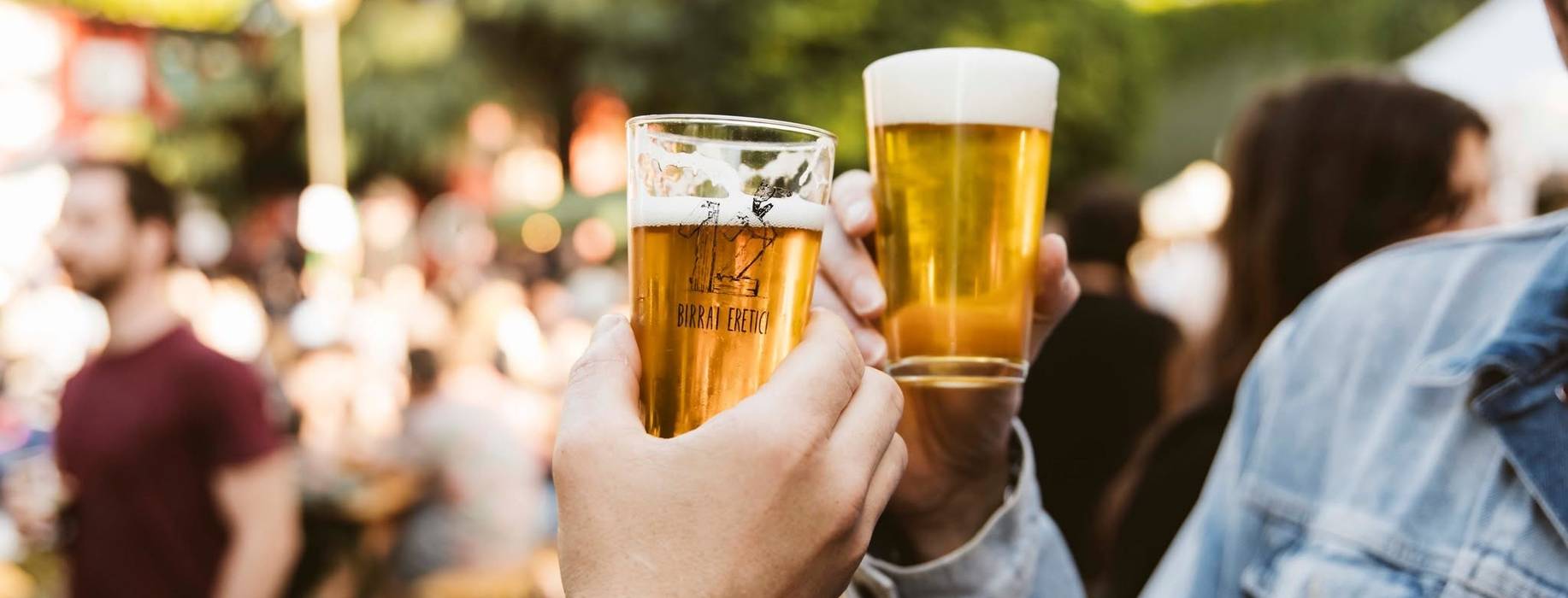
“I love the community here,” says Natalia. “It's small enough that I know most other publicans personally. There's collaboration rather than competition — we send customers to other bars depending on what someone's in the mood for. You don't get that kind of warmth in a bigger city where everyone's trying to outdo each other.” The sentiment is shared by Andrea. “Initiatives like the annual Festival dei Birrai Eretici (Heretical Brewers’ Festival) in May, which puts pubs and publicans centre stage, and the City Craft Map, stem from this very spirit. There is little jealousy and a great deal of friendship.”
The opportunity for craft beer to find its way into the Bolognese restaurant landscape is therefore rife. “It baffles me that more restaurants haven't embraced artisanal beer already,” Natalia exudes. “Bologna's food is rich, fatty, intense, and that's exactly the kind of food a well-chosen craft beer can cut through better than most wines can. The challenge is habit and training. Restaurant owners default to the wine list because that's what they know how to build, and most don't have staff who know how to pair a Saison with a plate of tortellini al brodo. The potential is there, the knowledge gap is holding it back.”
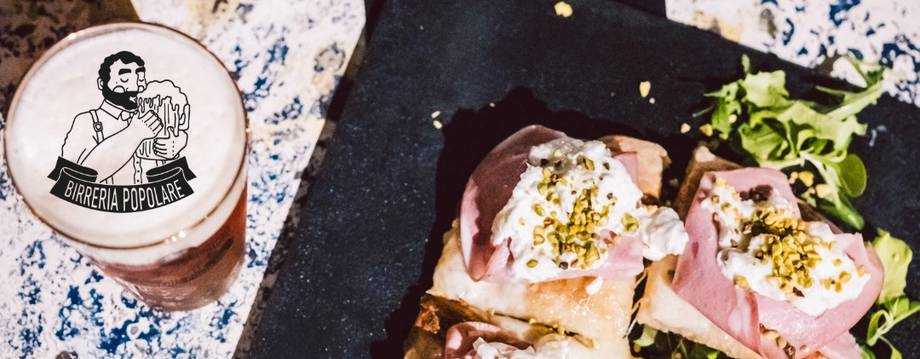
PHOTO: Birreria Popolare
Birreria Popolare is a venue that attempts to bridge that knowledge gap, opting for a modern-feeling beer hall with an array of Italian indie beer on tap. They have leant into the way food and beer can be combined, with a tantalising menu of local antipasti plates to go with whatever you’re drinking, and it has worked wonders, the space constantly bustling with those who appreciate the combinations they forge.
There are other options too: Astral Beers Pub is a tiny bar with five taps and a big fridge selection, certainly erring towards the nerdier end of the spectrum; Vecchia Orsa Moline combines Italian piadine with less-Italian burgers to complement 12 lines of their own beer, complete with a curated pairing menu; and the small, quaint Birroteca Bukowski sits in the heart of nightlife hub Pratello, as busy as anywhere else on the street. The chance of finding an indie beer or two elsewhere is also achievable. “The city generally remains curious; you can find one or two taps even in non-specialised places, which indicates there is demand and consumption,” says Andrea.
The majority of Italy’s breweries are around Milan and Rome, though Emilia Romagna has the climate and expertise to thrive. “There's talent here, but the brewing scene in the city itself is still thinner than it should be for a place this food-obsessed. A bit more local production and collaboration would tie everything together perfectly,” says Natalia. Andrea is optimistic about the future of indie beer in Bologna. “When we opened in 2010, we were the only ones serving exclusively craft beer. Since then, the world has changed, and the craft beer world even more so. Like most places, we’ve been seeing a contraction in this sector for the first time; I’d call it a natural adjustment. You can’t expect it to be like the universe, constantly expanding forever.”
Independent beer, in many ways, represents a microcosm of the contrasting identities of Bologna, the city’s culture poetically embodied in the beer scene. “The counter-response is already underway. Craft beer rode a wave of hype, the scene became an echo chamber rather than an effort to expand the audience. Fortunately, I’d say that trend is over, and embracing creativity once again, because that’s who we are.”
As for restaurants, the opportunity for beer to land on menus alongside its more famous alcoholic cousin is continuing to grow, and it will be fascinating to see how the scene develops in the coming years. “In Bologna, craft beer is well known enough and there is a curious audience for it,” Giacomo opines. “While many people still associate it more with pubs or specialised beer bars than with restaurants, Bologna is an open-minded, creative city, so there is definitely room for it to continue to grow at the table in an exciting way.”
Header photo: Birrai Eretici
Share this article
You’ve reached your limit of 5 free articles this month.
Unlock unlimited access and more

Join Beer52 and get your first month half price
-
Get your first box for £13.50 (RRP £27).
-
8 beers & 2 snacks delivered monthly.
-
Printed Ferment magazine included.
-
Unlimited access to all online content.