Italia resiliente
On an island where wine, olives, citrus, seafood and hospitality are world-renowned, damage to agricultural industries wounds more than the local economy. In Sicily, produce is a culture, a way to connect, a vital lifeline between past, present and future
Ferment team
Saturday 22 August 2026
This article is from
Italy
issue 134
Share this article
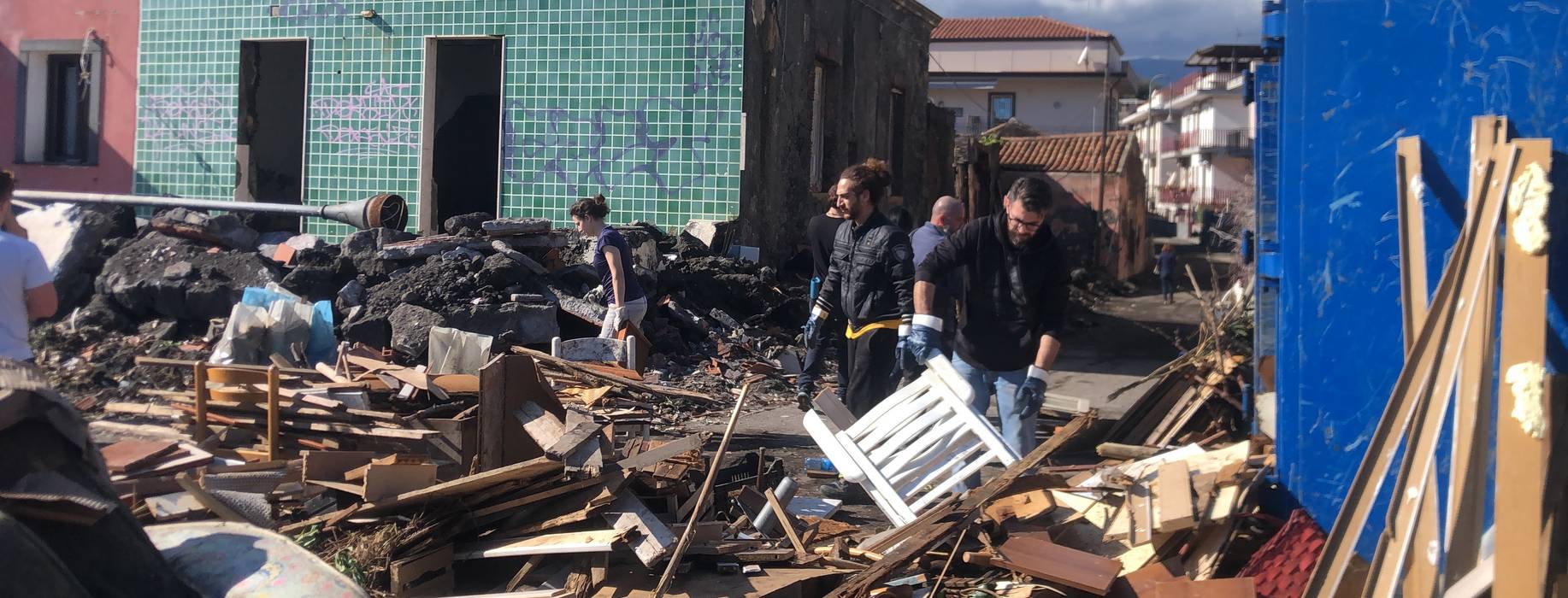
On January 19, 2026, a storm that would last four days, took hold of the Mediterranean, reaching Sicily, Sardinia and Calabria on January 20. Inland areas suffered damage by high winds, and rainfall was estimated to be over three times the average for that time of year. Hardest hit, however, were coastal areas, where seven meter high waves destroyed seaside industry, residential buildings and other civilian infrastructure. The ferocity of Cyclone Harry was perhaps worst felt in Sicily, where it reshaped several beaches along the eastern coast, and decimated essential farmland and fishing infrastructure, making it the most destructive weather event that the island has seen in 25 years. On an island where tourism, hospitality and agricultural exports such as wine, citrus, and olive oil make up a huge percentage of GDP, the economic fallout was predicted to be catastrophic.
In Francofonte, gusts of wind buffeting orange groves caused the fruit to drop early, shortening the citrus season and severely compromising production. Further damage to irrigation systems is thought to have pushed the cost of repairs and lost crops into the thousands. Throughout the island, where waves overtopped quays and moorings, and port structures were placed under severe stress, fishing operations were slow to resume. In several harbours, the abnormal accumulation of posidonia — a vital seagrass that forms underwater meadows across the Mediterranean — and debris made manoeuvring vessels out to deeper water risky, if not impossible.
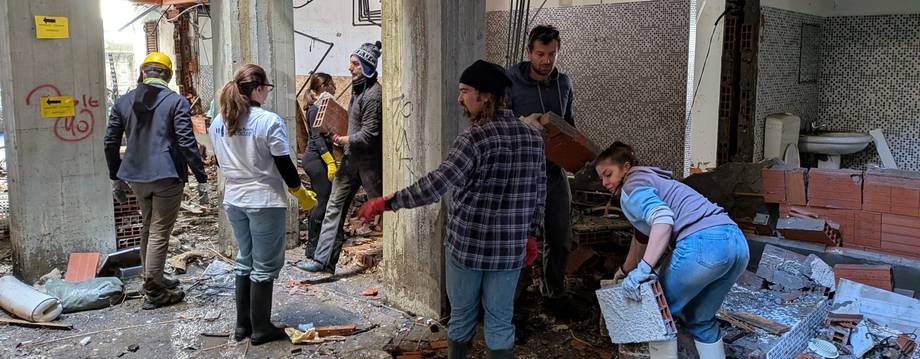
PHOTO: Simone Fat
Sicilian governor Renato Schifani estimated the damage in Sicily alone to amount to over €1 billion — while the broader region suffered a collective €2 billion — and expected a 0.8-1% dip in the island’s GDP to follow. While worst affected by the storm, Sicily has also had the most remarkable response. Perhaps it’s the looming presence of Mount Etna that prepares Sicilians for the eventuality that nature will destroy, as well as create, or maybe an island mentality is to thank for residents’ instinct to look out for one another. In either instance, the aftermath of this disaster saw the island’s many communities close ranks around those most affected, and begin to rebuild no sooner than the storm had ended.
On an environmental and civilian level, were initiatives like that organised by Associazione Cambia, a grassroot volunteer organisation, and Plastic Free, an environment-focused GNO. Together, they mobilized 1,000 volunteers to safely clear debris in seven locations along the island’s east coast. In the world of wine, the Assovini Sicilia — an association of 100 Sicilian winemakers — organised a charity tasting to bring the hospitality and agricultural arms of the island together in solidarity, and to raise money that would aid recovery. This event — titled Harrykuminciamu, meaning ‘Harry; let’s start again’ — took place in the prestigious Benedictine Monastery of San Nicolò l’Arena, in Catania, and brought together wine gastronomic specialities by the Unione Regionale Cuochi Siciliani, the Sicilian arm of the Italian Chefs Federation.
Much more than a fundraiser, Harrykuminciamu was an opportunity for producers, chefs, hotel and restaurant owners to grieve together, share in a common uncertainty about the future, and collectively build a resolve to recover. Cyclone Harry might have brought Sicily to its knees, but the island’s instinct to use food and drink as a tool to recover and build resilience is stronger than the storm.
Header photo: The County of Sicily
Share this article
You’ve reached your limit of 5 free articles this month.
Unlock unlimited access and more

Join Beer52 and get your first month half price
-
Get your first box for £13.50 (RRP £27).
-
8 beers & 2 snacks delivered monthly.
-
Printed Ferment magazine included.
-
Unlimited access to all online content.