BRLO: German beer, Berlin attitude
For over a decade, Berlin craft beer institution BRLO has been challenging the various stereotypes attached to German brewing.
Fred Garratt-Stanley
Photos: BRLO
Saturday 19 September 2026
This article is from
Culinary Germany
issue 135
Share this article
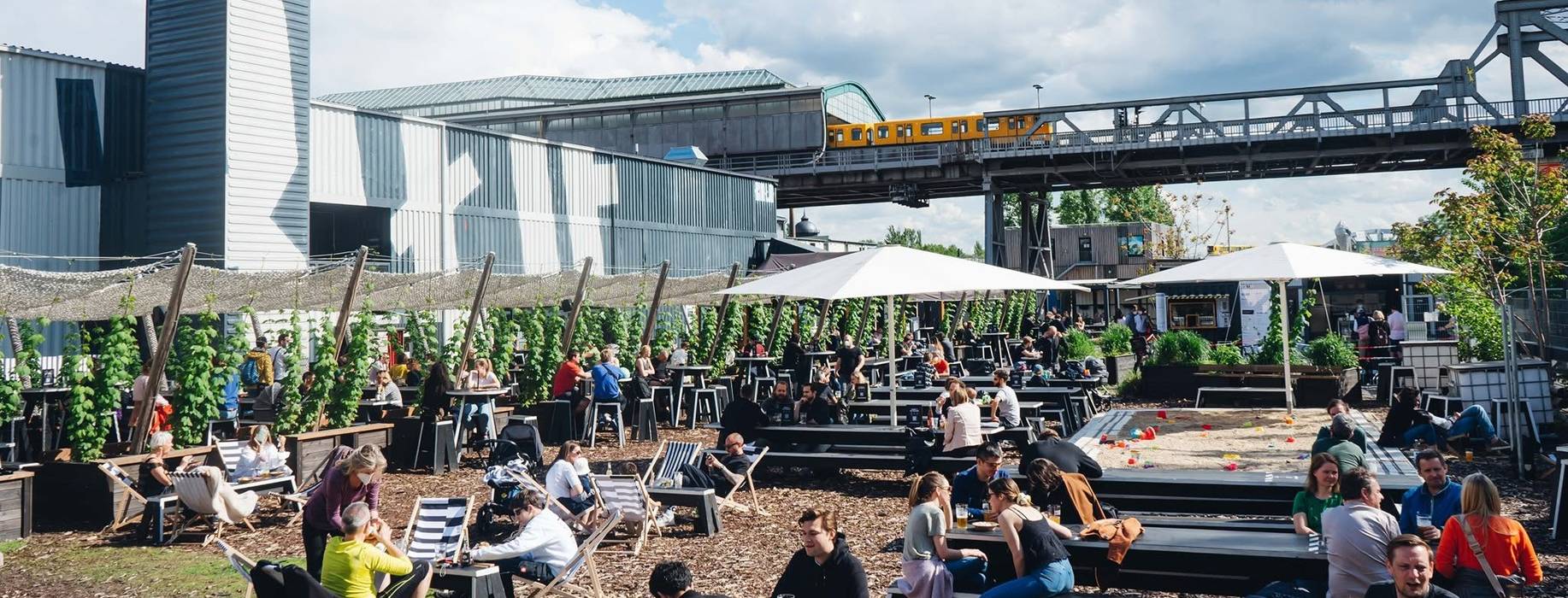
Heads turned when the BRLO BRWHOUSE opened. The hulking, black and white, industrial-coded craft brewery and taproom, built from 38 shipping containers and rising high from a brownfield site in Kreuzberg was something that the city hadn't seen before.
“It really put us on the map,” smiles Katharina Kurz, who co-founded the brewery in 2014 alongside friends Michael Lembke and Ben Pommer. “We constructed everything ourselves, the architecture is very unique, and it's right in the middle of Berlin. You have two subway lines crossing, so you almost feel like you're in Brooklyn; it's a very urban, cool environment that slightly contradicts the Bavarian beer gardens you find somewhere else.”
Named after the ancient Slavic name for Berlin, BRLO was set up at a time when the craft beer craze was accelerating in the UK and other European nations; however, in Germany things were moving slower, partly due to some resistance to new styles rooted in the country's rich, strictly regulated brewing tradition. From the start, there was a real desire to get people to think about German beer differently.
“I always say ‘German beer, Berlin attitude,’” explains Katharina, describing BRLO’s brand and identity. “We want to challenge the stereotypes you have about German beer and what it's supposed to look like. We always wanted to get new people attracted to craft beer, so our first beers were helles and pale ale; we needed to show people beers that they knew, but which were different. That was always our approach, make accessible beers and get more people excited about the craft variety.”

If you take a look at BRLO's lively social media channels, you'll see this irreverent, easy-going approach to beer culture in action. The brewery's generously sized beer garden takes centre stage; it’s where staff members play out light-hearted skits and sketches that are clearly connecting with their customer base. “We have a British social media manager who was like 'It clicks more if we do fun stuff, comedy'. And it works – it shows people that we're a team they can relate to, and it definitely attracts younger crowds.”
This helps maintain BRLO's presence within a Berlin beer landscape that has experienced its fair share of struggles over the last decade. Rising rents and huge increases in energy costs (in part due to cheap Russian gas supplies being cut off), broader economic stagnation, and declining beer consumption – as well as the broad expectation in Germany that beer should be cheap – have all had an impact.
“In 2014, 2015, there was a real feeling of 'this is all great, and this will grow', but the pandemic changed a lot, and a lot of small breweries and projects have given up, a lot of the bars closed,” says Katharina. “At BRLO we really managed to venture out of that craft beer bubble, and have come to be perceived as a great beer brand that has everything from helles and a pils to IPAs, porters, and Berliner weisse… we're bridging that gap between craft and the regular beer world. But unfortunately everything that's happened in the last few years has taken its toll on the beer scene.”
A key pivot that's helped BRLO weather this storm is an increased focus on non-alcoholic drinks; the success of their flagship alcohol-free beer Naked caused them to launch Naked Hell (a helles) and Naked Haze (a hazy pale), as well as acquiring kombucha brand ROY Kombucha earlier this year. Here, they benefited from Germany having arguably the world's strongest non-alcoholic beer culture, with alcohol-free products making up a sizeable 10 per cent of the national beer market.
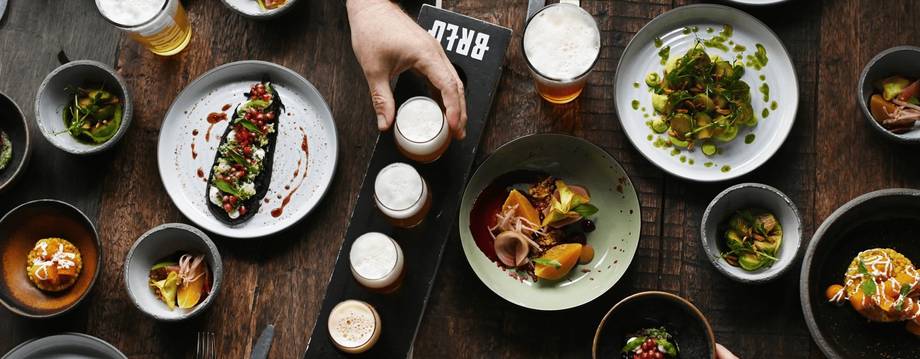
A unique food offering has also been crucial in providing long-term sustainability; BRLO's four venues (the Kreuzberg BRLO BRWHOUSE, the BRLO Gastropub in Charlottenburg, craft bar KASCHK by BRLO in Mitte, and BRLO Chicken & Beer in department store KaDeWe) are each known for having a distinct gastronomic identity. As well as craft beer geeks and mainstream drinkers seeking casual, recognisable beer, BRLO can also count esteemed food critics among their core clientele.
“At our indoor brewhouse we run a completely different, premium food concept that we're quite well-known for, and which has a focus on vegetables,” says Katharina. “It's not just the standard German brewhouse cuisine of schnitzel and potatoes. These days, going more vegetarian as a concept is completely normal, but in 2017 we had investors saying 'Can't we do a meatball or something that still resembles German cuisine?' We do have some meat, but it's the conscious side dish. You open our menu and see these amazing veggie options that are very complex and very complementary to beer.”
Bold, innovative decisions like this highlight why BRLO became one of the city's most recognisable and respected craft beer operators. But Katharina and her team are keen to continue growing their visibility beyond the boundaries of Berlin.
“We're just trying to do our job well and grow the business, and I think there's still a lot of potential, not just in Berlin but throughout Germany,” she says. “We don't really have a master plan for how to get people drinking again; I think it's a lot about going away from the traditional, being more approachable, and showing how fun beer can be. When people can experience you and the team, and you have an opportunity to explain the beers and the brand, that's what makes a difference these days.”
Discover more in Berlin city guide.
Share this article
You’ve reached your limit of 5 free articles this month.
Unlock unlimited access and more

Join Beer52 and get your first month half price
-
Get your first box for £13.50 (RRP £27).
-
8 beers & 2 snacks delivered monthly.
-
Printed Ferment magazine included.
-
Unlimited access to all online content.