The German culinary calendar
Enjoy Germany by season
Robyn Gilmour
Saturday 19 September 2026
This article is from
Culinary Germany
issue 135
Share this article
AUTUMN:
Schlachtfest (September-October): This celebration is about community, seasonality, and how those two things were inextricably linked in times gone by. The festival doesn’t have a fixed date, being celebrated across September and October when, historically, families would slaughter a pig in preparation for the winter ahead. To mark the occasion, a feast would follow, and the family would share sausages with their neighbour. Schlachtfest is celebrated around Germany, often in tandem with the beginning of kale season.
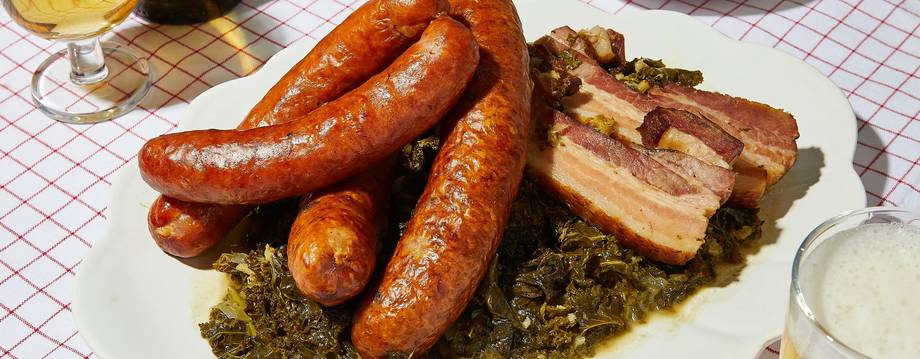
PHOTO: Kitchen Stories
Kale season (November - February): Oldenburg is considered the culinary capital of the Schlachtfest tradition, given pig farming is common there, and kale — the ultimate accompaniment to sausage — grows abundantly here. If you find yourself in this small, university city at the beginning of November, you’re likely to be swept up in tours of local farms and producers using the vegetable in drinks and dishes. Commonly enjoyed with kale this time of year is kassler (smoked pork loin) and pinkel, a smoked grain sausage.
WINTER:
Carnival (February): Based on centuries-old folk traditions, carnival is celebrated throughout Germany, technically beginning in November and ending in February, when festivities reach a climax. This week-long celebration takes place the week before Lent starts, and is thought to be a final chance to indulge before a period of fasting begins. In the Rhineland, muuzenmändelche are classic carnival treats. These sweet, tear-drop shaped bites are made from almond flour, deep fried, and coated in icing sugar.
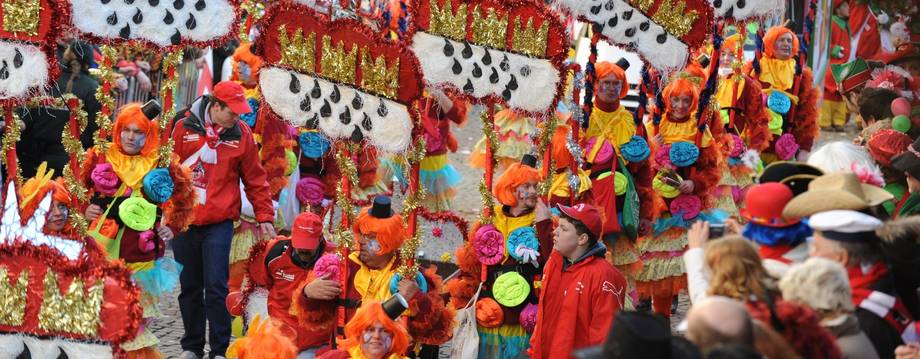
PHOTO: Discover Germany
Christmas (December): Though stollen is enjoyed all over Europe, nowhere is it more delicious than Dresden, where it originated several centuries ago and is highly protected today. This sweet Christmas-y bread, made with butter and raisins, can be produced by only 120 bakeries in Dresden. Stollen is considered at its best when it's been left to mature, so if you’re making it at home, pop it in a wooden box once it has cooled and enjoy two weeks after baking.
SPRING:
Asparagus season (April to June): Celebration of white asparagus, is as feverish as that marking the first kale in Autumn, with full-blown asparagus tours taking place across Lower Saxony, and the “asparagus town”, Beelitz, hosting its annual Asparagus Festival. This celebration hosts market stalls, musical acts, and the crowning of the Asparagus Queen; it’s a fantastic day-trip if you’re based in Berlin, with plenty of transport options available.

PHOTO: The Spruce Eats
May Day: May wine, or Maibowle, is a floral fruit punch made by infusing dry white wine with strawberries and sweet woodruff, and is traditionally enjoyed on May day. You’ll find this drink alongside spring wines in Straußwirtschaften, a common feature of Germany’s southern wine trail. Locally known as “straußi" these rustic, pop-up wine bars are permitted to operate for up to four months of the year, and are often hosted by wineries and wine makers themselves.
SUMMER:
Beer gardens: These spaces really come alive in early summer when the weather facilitates a migration to outdoor dining. Beer gardens permit drinkers to bring their own food, so are often serviced by street food vendors, and are the perfect place for a picnic. Pretzels and Obazda — a German spread made with two parts cream cheese and one part butter, paprika, salt and pepper — is a beer garden classic.
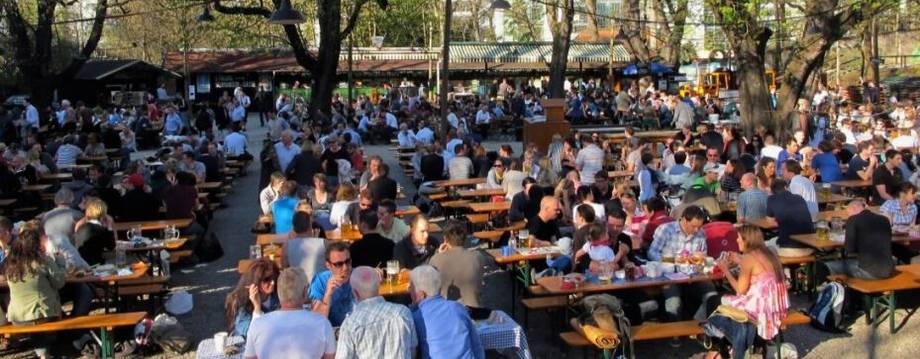
PHOTO: Germany Travel Guide
New wine season (August): By late summer, fermentation of last year’s grape must is well underway at wineries around Germany; this means it's time for federweißer. This partially fermented grape must has not gone through all the stages of a fermentation, filtration and maturation that a finished wine has, and so is cloudy, gently effervescent, and usually sits at 6-9% ABV. Finished young wines will be available by October, but federweißer is the first taste of what will become a new vintage.
Share this article
You’ve reached your limit of 5 free articles this month.
Unlock unlimited access and more

Join Beer52 and get your first month half price
-
Get your first box for £13.50 (RRP £27).
-
8 beers & 2 snacks delivered monthly.
-
Printed Ferment magazine included.
-
Unlimited access to all online content.