Hop forward
Mark Dredge uncovers the future of hop breeding
WORDS : Mark Dredge
Monday 21 May 2018

This article is from
The Hops Project
issue 24
Share this article
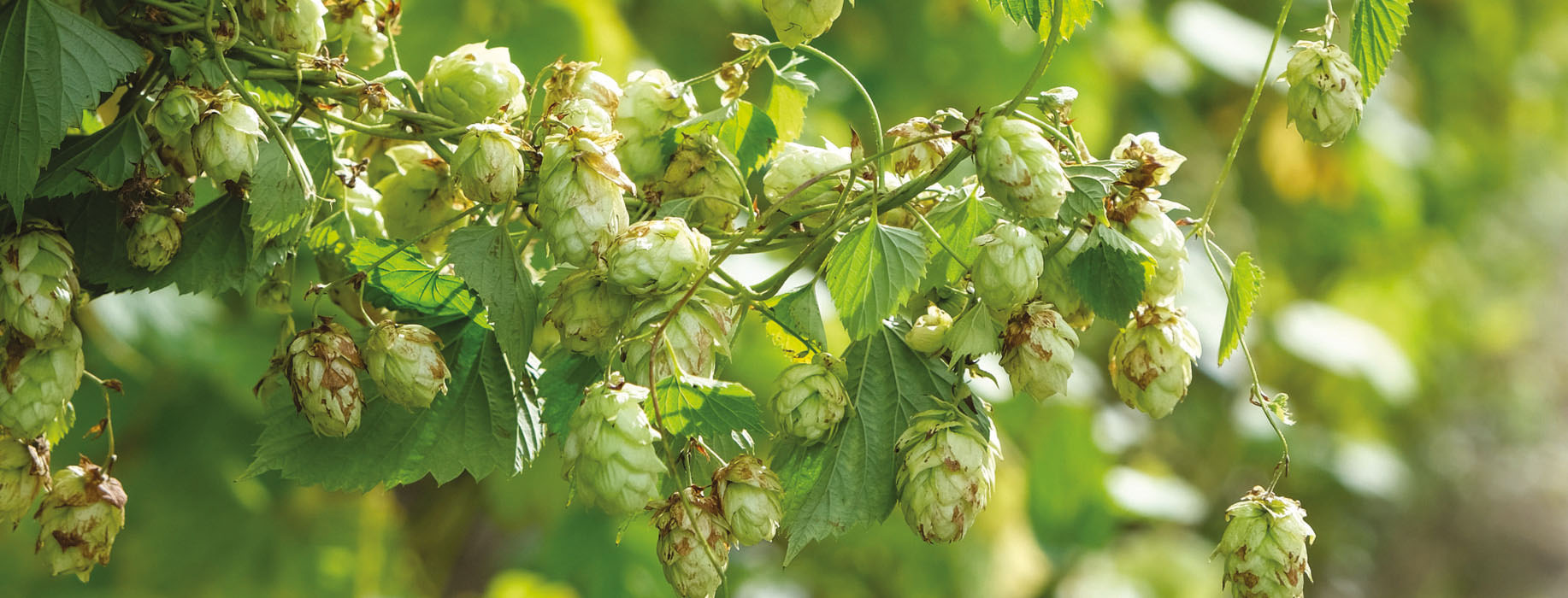
British hops have long been romanticised, praised and prized for their delicate, delightful aroma: earthy, spicy East Kent Goldings; minty, floral Fuggle; the autumn hedgerow of Bramling Cross; marmaladey First Gold; cedary Challenger. But none of those characteristics are particularly cool in craft beer, are they? Fruit is what sells now. Citrus, tropical fruits and plump, juicy stone fruits. And that’s left the traditional old British hops behind.
Britain’s top hop-growing year was 1878, when around 29,130 hectares were spread across 40 counties. Now hops only cover around 1,000 hectares of British land, mostly in Herefordshire and Kent, and that accounts for just 1.5% of all world hops – America is the largest grower, at almost 40% of world hops, with Germany second with around 33% of all hop acreage.
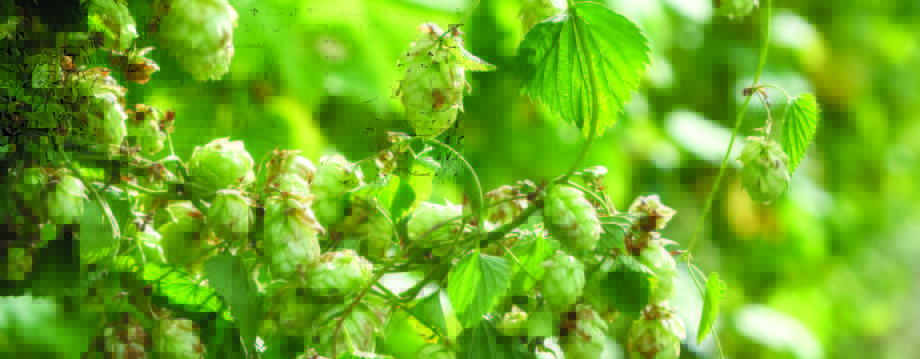
The decline happened for many reasons – not all negative – but it dropped to an almost terminal point and that coincided with new drinkers and brewers becoming increasingly interested in the big fruity flavours and aromas of hops from America, Australia and New Zealand.
But the British hop industry is changing; it has changed. Acreage isn’t necessarily increasing with any rapidity in Britain, though it is up around 4% year-on-year, but the varieties in the fields are changing. Just five years ago there were only 20 British hop varieties commercially available and that’s now increased to over 30, with new names like Jester, Olicana, Endeavour, Ernest, Keyworth’s Early, Archer and Bullion joining the more traditional varieties. And soon there will be even more new names, plus hop profiles like we’ve never before had in Britain.
A NEW BREED
Since 2011, the British Hop Association has been involved in a joint initiative with hop merchants Charles Faram and together they’ve put a huge focus on cross-breeding hops “to bring new aroma hops to market,” says Ali Capper, Director of the British Hop Association. This is being done to “try and find hops which will appeal to the market that’s looking for aroma… that’s what the market’s been demanding for the last 10 years.”
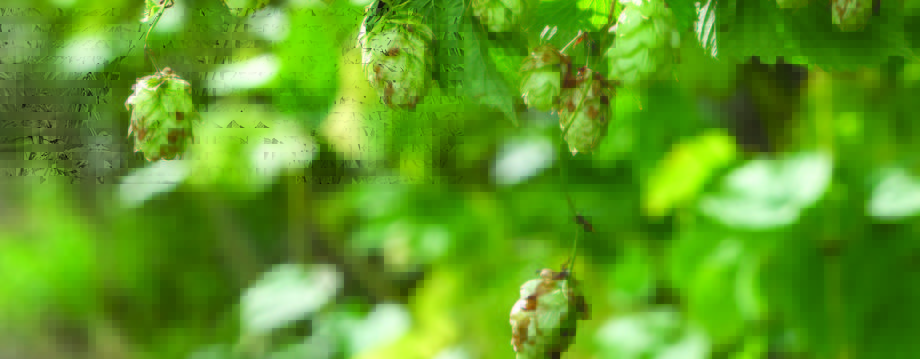
“We’ve seen a new breed of drinker come along that’s looking for something more fruity,” says Paul Corbett, managing director of Charles Faram. “We’re looking for something unique but with more intensity,” he says, and the newer hops that are progressing positively through the breeding programme have been selected for having “more intense, more fruity flavours that we’re not seeing so much of in the traditional Fuggles and Goldings types.”
Cross-breeding hops involves bringing together a female hop (only the females are planted to be used in beer) and a male one to create new seedlings. Every year, around 5,000 crosses are made and anything displaying desirable aromatic qualities are further assessed both for flavour and for their agronomic viability, which will test their resistance to pests and disease, plus their ability to grow well in a specific place (a lot of the male breeding hops are chosen because they’ve proven to have positive agronomic qualities).
As well as breeding, there’s a large hop archive held in the National Hop Collection (some 800 varieties exist there) which includes some historic varieties which date back to 1737, plus other varieties rediscovered from crosses made decades ago in the National Breeding Programme. Today, Wye Hops Ltd, based in Kent, provides the research centre which is looking through the collection for hops which might be of interest on their own or could be used for further breeding (Wye Hops also has a significant breeding programme and it’s released Endeavour and several other hops from this in recent years).
Bullion, Keyworth’s Early and Ernest are three hops which have been resurrected from the National Breeding Programme. Ernest, with characteristics of apricots, subtle citrus and spice, is named after Dr Ernest Salmon, who was the original hop breeder for the programme, which started in 1906, and this hop (one of the last he bred, in the early 1950s), “sat in the collection because, while it had great agronomics, the fruity character wasn’t right for the time,” explains Capper. But apricot, citrus and spice is definitely right for now.
NEW TASTES
In early January 2018, over 90 new hop varieties were assessed and five or six were labelled as very promising. Some of those have been used in beers, some will progress to brewing trials, and others will continue to be assessed for aroma and agronomics. Some of the tasting profiles coming from these hops are familiar to New World varieties (grapefruit, tropical fruits, lychees, lemon) while others are less familiar (strawberry, cherry, raspberry, blueberry, rose and banana). These new varieties may be unlike any other hops grown in the world.
Two particularly promising hops are CF127 (also known as Godiva) and the unnamed CF160 – CF160 won best new British hop variety in the 2017 British Hop Awards. Other potential varieties that have been used in brewing trials include CF125, CF129 and CF145. Yeovil Ales has been among the first to use these hops, employing Godiva in its Hopkandi golden ale, plus the other hops in single-hopped ales. XT Brewing have used CF160 in their Brit Hop ale which gave a peachy, fruity characteristic. Charles Faram’s breeding programme has also commercially released two of the better-known new British hops: Jester and Olicana. The hops are sisters, bred from the same parents: Cascade as the mother and the father is a male hop with good disease resistance. Jester gives grapefruit, gooseberry and white grape, while Olicana is more mango, tropical fruits and grapefruit.

Olicana was named by Ilkley Brewery – Olicana is the name of the old Roman fort in their hometown – and the brewery was among the first to trial the hop for taste and commercial viability. It’s used in Ilkley’s single-hop Olicana Pale and the hop gives “mostly citrus and grapefruit – it’s great for aroma,” says Ilkley’s Luke Raven. When the brewery first tried it, Luke thought “the characteristic was more like an American hop and certainly wasn’t like any British hops we’d used before”. Through the successful trial brews, it went on to be planted more extensively and Ilkley continues to brew the beer as a yearly seasonal.
The other newer hop varieties have similar fruit-forward flavour notes to Olicana, Jester and Ernest: Archer is lime, floral and peachy; Endeavour, also bred from American Cascade, is grapefruit and blackcurrant; Bullion is blackcurrant; Keyworth’s Early are lemons and grapefruit.
These words might fit in the modern beer language of American and New World hops, but it’s disingenuous to compare these English hops to American ones. The English hops retain an essential Englishness, a politely rural earthiness of flower beds and hedgerows and orchards, and not the juicebox of America. They may now have words like grapefruit, mango and lime attached to them, but don’t have New England expectations of these new English hops.
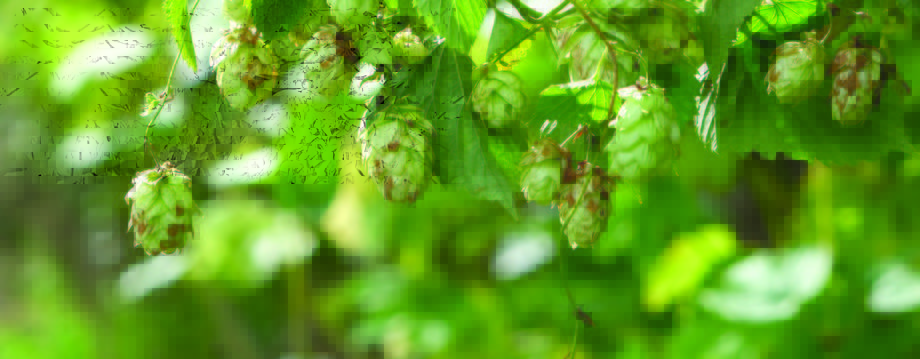
“Aroma hops are what we’re good at growing in Britain,” says Capper. “We’re less good at growing high-alpha hops and that’s to do with our growing conditions.” It’s hard to produce alpha acids – that’s what gives beer its bitterness alongside the oils which give aroma and flavour – towards the 20%-range (which is very high – Goldings are around 6%, while Target might get into the early teens).
This comes down to the terroir, that unique combination of growing conditions which influences characteristics, and to get the big alphas you need frosty winters and long, hot summer days. In the desert-like Pacific Northwest of America they have freezing winters and fierce summers, which stress the hops and produce more intense acids and oils. Our mild Januarys and drizzly Julys create something rather mellower.
But mellower is what makes them special – it’s what makes them British: “With our terroir, we end up with a more complex character,” says Capper, and there’s a deeper, rounder flavour compared to the sharp one-note character of many American hops. This makes them better in subtler styles, in golden and pale ales, rather than intensely-hopped beers, where the complexity runs through them.

THINK AND DRINK BRITISH
“We’re not trying to reproduce American hops,” says Corbett. “We want something different [to American hops]. We want something typically English but with a good strong aroma and we’re looking for something that produces a beer that makes people go, ‘Wow, let’s have another beer!’”
The initiative between Charles Faram and the British Hop Association will shape the British hop market in the coming years: “There’s a huge amount of work going on in the background that hasn’t come to market yet,” says Capper, saying that over 50 different varieties are currently being considered. “It’s really, really exciting that we’ve got so many to choose from. This piece of work is going to be critical to what you see coming through from the British hop industry in the next three-to-10 years. A lot of the varieties we launch in that period will come out of this piece of work.”
And this is not to overlook all of the great traditional hops that we have. The richness of East Kent Goldings to give tangy citrus and spice to a strong bitter. The resinous orangey character in Admiral which makes a potent English IPA alongside Target with its herbal, punchy strength. The berry fruit in Bramling Cross is ever-popular in dark and pale ales, and then Fuggle, even if she’s wilting a little, gives something so distinctly and classically British, especially alongside Golding.
Britain is a surprisingly small hop-growing country for its large reputation for traditional hops varieties. Most drinkers nowadays know Citra, Mosaic, Simcoe and all their American sisters, but take notice of the new British hops because they’re coming and they’re not like hops we’ve tasted before.
Look for the Brewed with British Hops logo and for more information on all British hops, go to: www. britishhops.org.uk
Share this article
You’ve reached your limit of 5 free articles this month.
Unlock unlimited access and more

Join Beer52 and get your first month half price
-
Get your first box for £13.50 (RRP £27).
-
8 beers & 2 snacks delivered monthly.
-
Printed Ferment magazine included.
-
Unlimited access to all online content.