Objects of Desire
As the post-Weinstein fallout ushers in a new era of self-reflection, it’s little surprise that inequalities in the traditionally male-dominated world of beer and brewing have fallen under the spotlight
WORDS: Robin Eveleigh
Monday 21 May 2018

This article is from
The Hops Project
issue 24
Share this article
As the post-Weinstein fallout ushers in a new era of self-reflection, it’s little surprise that inequalities in the traditionally male-dominated world of beer and brewing have fallen under the spotlight.
Long-ignored voices are suddenly being heard, as if for the first time, as they call out sexism, discrimination and downright ignorance, and everything from pump clips to beer festival policy is subject to new, searching scrutiny and revision.
The speech by Wild Card head brewster Jaega Wise at the Brewers’ Congress in November - calling for an advertising code of practice and a ban on sexist imagery at festivals - struck a telling resonance beyond the confines of the beer trade journals, scoring national newspaper and BBC headlines.
And it highlighted another facet of the rift between established, old skool beer and newer start-ups: modern real ale - or craft beer - and its progressive role in shifting generational attitudes, butting heads with the inertia of the old guard.
Of course, we’re generalising. Last month, Cloudwater’s collaboration with US brewer J. Wakefield was called out by writer and beer sommelier Melissa Cole for the latter’s long history of sexist branding, prompting a hasty and apologetic redesign of Wakefield’s ‘Orange Dreamsicle’. A shadow fell over the apology when Cloudwater head Paul Jones revealed the art for its collab beer, Shelf Turds: An ill-judged cartoon graphic portrayed the two brewers in Speedos reposed, Rubenesque, on shelves. Jones, who began the year with a social media rallying cry for inclusivity, was contrite in the face of criticism, pulling the design.
Back in the UK, nowhere is old guard inertia more overt than in the dire labels and pump clips that have been a staple of the our beer industry for decades - the bizarre notion that a revealing dress paired with a page three-inspired innuendo is somehow not only ‘just a bit of fun’ but also a genius marketing move, blindly ignoring the fact it alienates 50% of its potential market.
One beer singled out, for example, in Jaega Wise’s speech was ‘Dizzy Blonde’ from Stockport based family brewers, Robinsons. The bottle label and pump clip has an image of ‘Peggy’ in a tiny red dress and heels, and the sales blurb chortles: ‘This Dizzy Blonde is great fun, great company and often the centre of attention’. Robinsons underline its commitment to the brand with Dizzy Blonde keyrings, T-shirts and pint glasses.
Jeff Pickthall started the infamous Pump Clip Parade website in 2009, and it now uses social media to call out the chronically naff and offensive. With its own Facebook page and 1500 Twitter followers, its bite can be savage.
Uploads include images of testicles, couples having sex, dogs licking their bums, naked bottoms, flatulence (on fire, obviously) and racial stereotypes. There are lots and lots of breasts, and nothing at all that appeals to the modern, enlightened beer drinker, irrespective of gender.
“I still get submissions and it does sadden me,” Jeff says with resignation. “Some breweries just don’t learn; you get the same repeat offenders.
“I’ve been a beer geek since the mid-‘80s and even back then my friends and I felt like we had to keep our hobby a secret because of the blatant sexism and general rubbishness associated with the presentation of real ale.
“Things are slowly changing for the better, thankfully. Craft beer is a rejection of the old way of doing things. It’s not an overt statement but I do think craft beer is trying to address these problems.”
Rachel Auty, creator of the female-focused beer fest Women on Tap and a moderator of the UK Craft Beer Forum (UKCBF) on Facebook, agrees.
“It feels like craft beer is a driving force for good,” she says. “We have 13,000 members on UKCBF, there are some very strong opinions, but there’s absolutely zero tolerance to any kind of discrimination or sexism. It’s instantly called out, ridiculed and quashed.”
Compare the tragic, humourless carnival of rugby gags, boobs and bodily functions to the striking illustrations of an artist like Northern Monk collaborator Drew Millward. His work - often inspired by music and advertising ephemera - incorporates call-backs to beer industry heritage, with graphics of hops, barley and dimpled mugs woven into the design.
His approach is the same regardless of whether he is creating a T-shirt, flyer, label or album cover and – aside from Northern Monk – his images have appeared on cans in the States (21st Amendment) and in promo material for Leeds Beer Fest.
“Traditional doesn’t have to mean naff and offensive,” he says. “Look at Samuel Smiths’ bottle labels: they haven’t updated the branding in any significant way for years, but they’re gorgeous and iconic. They got it right from the word go.
“It baffles me why any business would want to present themselves with awful, cheap, bawdy seaside humour. It’s just throw-away nonsense, and it makes you look terrible. You’re leaping to massive conclusions about the people buying your product, that they’re humourless and misogynistic, and it’s hard tofathom why you’d do that.
“I guess it’s this horrible mindset of men down the pub finding names like dizzy blonde hilarious – something so far beyond the realms of anything I want to be associated with.”
CAMRA responded to Wise’s speech by condemning “those who use sexist images or slogans to market their products,” while the CAMRA-run Manchester Beer and Cider Festival outlawed the display of sexist beer names and images at its January festival, pledging to ban such beers from selection altogether by 2019.
Another example of shifting attitudes in some more traditional circles bears out an observation from Rachel Auty: “By putting more women in leadership roles, you gradually start to see change, it penetrates through,” she says.
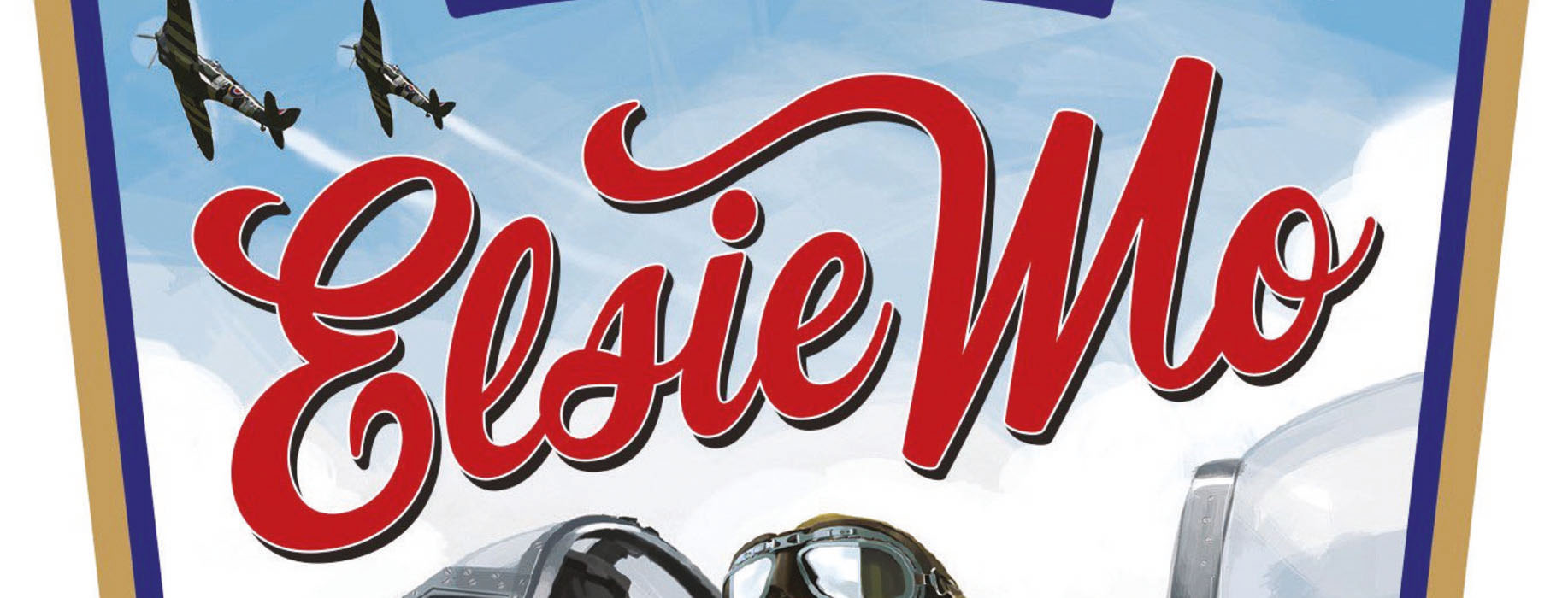
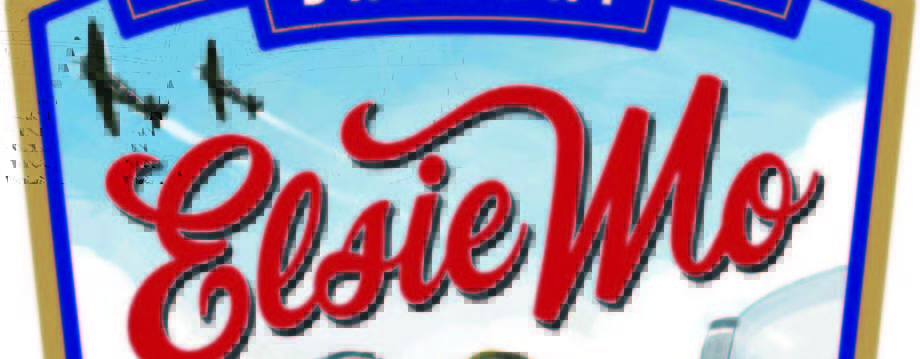
Liv Auckland, marketing executive at Nottinghamshire’s Castle Rock, has steered the brewery’s iconic ‘Elsie Mo’ through two rebrands, first covering the character’s revealing pink underwear with a pilot’s uniform and, now, putting her in the cockpit. The most recent change, in January, has been four years in the making. Elsie, the face of Castle Rock’s ‘full bodied and irresistible’ golden ale, is no longer that tired and slightly incongruous trope, the ‘forces’ sweetheart’, she’s a pilot.
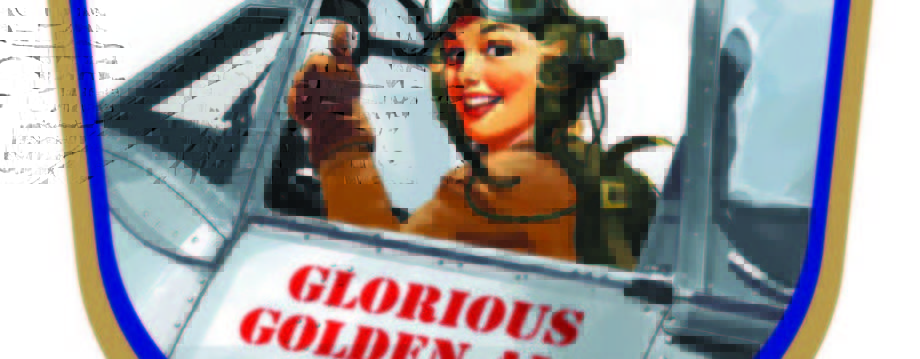
Auckland worked on the 2014 rebrand shortly after joining Castle Rock. Even as few as four years ago, she had to settle for an image that in today’s climate would be certain to draw criticism.
“It’s something I felt very strongly about,” she says. “I really didn’t want Elsie in her underwear anymore, I wanted something more artistic and vintage in design, and for Elsie to be more human.
“For me, we didn’t go as far as I would have liked at time - the new branding had Elsie in a short skirt, low cut top and suspenders on show - that kind of image just isn’t necessary.
“I was confident we’d get there in the end, though. We were already talking about the current rebrand when the wider conversation in the industry made it a priority. Now we have an inspiring image of a woman in a position of empowerment. The beer is the same, and the message is that it’s for everyone. We want beer to be a positive, welcoming space.”
Share this article
You’ve reached your limit of 5 free articles this month.
Unlock unlimited access and more

Join Beer52 and get your first month half price
-
Get your first box for £13.50 (RRP £27).
-
8 beers & 2 snacks delivered monthly.
-
Printed Ferment magazine included.
-
Unlimited access to all online content.