Good to the core
Gabe Cook heads along to the village of Much Marcle, to meet Weston’s, a traditional cider maker with a long history and impeccable craft credentials
Gabe Cook
Tuesday 02 June 2026

This article is from
Norway
issue 11
Share this article
It might come as a surprise to some people, but Herefordshire produces more cider, and has more orchards, than any other County in the country. Sure, other areas such as Somerset, Devon and Dorset have long and proud cider making traditions, but the imprint of cider making is indelible in Herefordshire, with some 15,000 acres of cider orchards carpeting the rolling, Welsh-border landscape.
There are cider makers of all scales operating in this County of Middle Earth levels of beauty and serenity: from the world’s biggest all the way down to the passionate enthusiast making a few gallons in the cellar. In this mix sits H. Weston & Sons Ltd, more commonly known as Westons Cider, based in the village of Much Marcle.
I need to put my hand up at this point and say I’ve got a bit of a soft spot for Westons, for many reasons. I was born and brought up in a village called Dymock, which sits immediately next door to Much Marcle, and as a boy I used to watch their blue lorries trundle through the village.
I also have a tenuous family connection. A gentleman by the name of Frank Gardner was the best man at my Grandparents’ wedding in 1945, and it just so happened that Frank was the General Manager of Westons at the time. My mischievous side can’t help but think that my silver-tongued Grandad befriended lovely old Frank to get a ready supply of the finest Champagne cider for the reception.
Finally, I have a personal association with Westons. After serving my apprenticeship at a small cider farm down the road (living in a shed in the garden) some nine years ago, I was offered the opportunity to work for Westons as a cider maker. Although the barrels and tanks at Westons were 200 times bigger than at the cider farm, the principles and processes were effectively the same (just that the equivalent of spilling half a bucket was a lot messier at Westons). By the time I left Westons, I had fully graduated from cider school.
The story of Westons Cider begins in 1878 when young tenant farmer, Henry Weston, moved into The Bounds, a farm in Much Marcle, and as many farmers did at this time, he started to make cider for his family and the farm labourers.
Cider was an important currency in the agricultural world at this time and farmers were incentivised to make a quality cider as it attracted a quality workforce. Every worker could expect to receive up to four pints a day as part payment for their strenuous efforts. Known as ‘truck’ this part payment was officially outlawed in 1887, but continued well into the 20th century (and still exists in some of the deepest, darkest recesses of Ciderland).
Resident of the Manor House in Much Marcle at this time was a gentleman by the name of Charles Radcliffe Cook. As well as being the local MP, he was a vocal champion of cider making. Such was Radcliffe Cook’s passion for cider that he wrote a book during the agricultural depression advocating cider as a viable enterprise, and was affectionately known in the Houses of Parliament as the ‘Member for Cider.’
Buoyed by the quality of cider he was making, and with Radcliffe Cook’s support, Henry Weston decided to start making cider full time in 1880. And thus, H. Weston & Sons was born. Fast forward 137 years and Westons Cider has grown somewhat, but, incredibly, is still based at The Bounds and the company is still owned by the Westons family. Helen Thomas, the Managing Director, is the great grand-daughter of Henry Weston and her son, Guy is one of their cider makers.
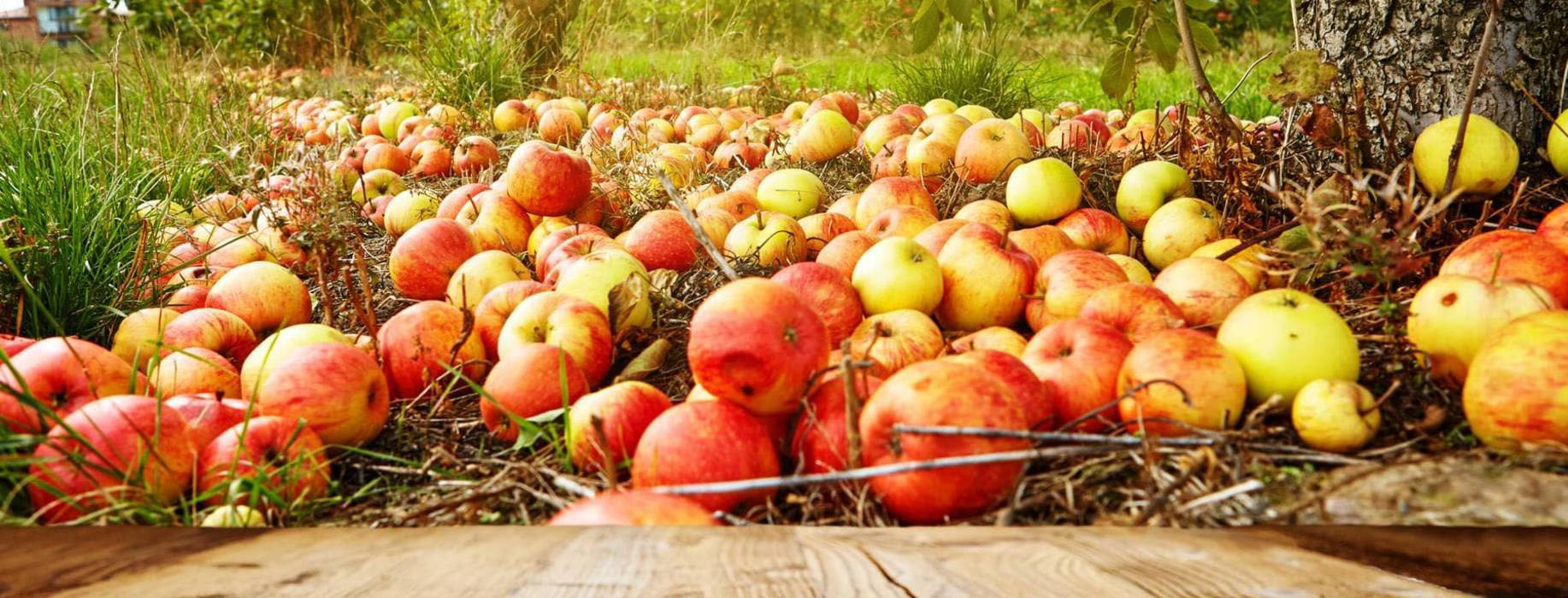
Key to making quality cider is using quality fruit. Traditional cider from the West of England has historically been made with specific varieties of apple that have been cultivated for the sole purpose of making cider. Very different from dessert apples, these varieties typically contain large quantities of tannin, much like you would get in a red wine. These tannins provide body, mouthfeel and texture, with complex interactions between astringency, bitterness, sweetness and acidity. These cider apples sport a wonderful array of evocative names, such as Slack ma Girdle, Sheep’s Nose, Hen’s Turds and Cider Lady’s Finger.
It is crucial, therefore, that Westons only uses these traditional cider apples from the ‘Three Counties’ of Herefordshire, Worcestershire and Gloucestershire. Pressed on-site at Much Marcle, this fruit comes from a mix of home-grown orchards, as well as modern and traditional orchards scattered through the region, many of which have supplied Westons for generations.
But Westons’ ‘USP’ is surely its vat house. Home to 43 oak vats, this is largest collection its kind in the UK. Each vat has its own name and its own story. The smallest three vats, named Hereford, Gloucester and Worcester after the regional cities, are also the oldest. At 1,200 gallons in size, these vessels were purchased by Henry Weston in 1880, and were second hand then, so they could be pushing 200 years old. The largest vat, Squeak, can hold 42,107 gallons – that’s a third of a million pints.
The vats that house Westons’ Organic cider are named after Henry Weston’s five daughters, while the ‘Football Vats’ are named after the top teams at the time of their construction. Names such as Blackpool, Wolves and Preston NE will attest to the fact this they were built in the 1950s!
It’s not just that these vats are a wonderful evocation of cider’s heritage; they are central to the maturation of the ciders. The cider makers’ use of the vats at Westons isn’t to achieve ‘oaky’ flavours, like, say, in a New World Chardonnay, but to allow the cider to mellow and smooth out. The oak harbours a whole ecosystem of microflora - yeasts and bacteria – that, if well managed, can enable the cider to soften and add layers of complexity.
Westons has a broad repertoire of traditional styles of ciders, but stepped into new territory with the launch of its Caple Rd brand in 2015. Named after the lane on which The Bounds sits, Caple Rd is a knowing nod towards the craft beer explosion seen in the UK over the last few years. According to Westons, it was created “as an innovative craft cider, uncompromising and challenging, with taste and flavour at its heart, and answered the market’s growing demand for craft.”
Tellingly, it is produced in a 330ml can, the preferred pack format of craft beers, and the first UK cider make to do so. The artwork and language also ensure that this cider has craft credentials, appealing to its core consumers.
Precisely what constitutes a craft cider is a tough question to answer. Three years ago, the term was solely being used to describe small, farm scale cider makers; but the marketplace has changed drastically in a short space of time, so the term is up for grabs. For Westons, being craft is about being independent, using small batches, using local fruit, slow fermentation, long maturation and challenging flavours.
As ever, the proof is in the pudding. For all of the marketing of any craft brand, the product has got to taste good. Thankfully, as I can attest to first hand, Weston’s has a crack cider-making team, including fifth generation Weston family member, Guy Lawrence.
The original Caple Rd variant, No.3, is a medium dry offering. Characterised by a rich, toffee-like aroma, this cider has a decent backbone of spicy tannins, neatly balanced by a soft sweetness and broad acidity. This was joined by stablemate, No.5, in 2016. Bone crunchingly dry, but with soft tannins and a crisp acidity, this cider lives up to its ‘challenging’ billing. But it’s a great cider. I have a dry palette, and often struggle to find a cider offering that isn’t too sweet for my liking, so this does the job for me quite nicely.
So, although the size and scale of Westons has changed drastically over the last 137 years, its commitment to making great ciders has not. I’m sure Henry would be very proud.
Gabe hails from cider’s heartland in the West of England. He has spent the last 10 years making and advocating cider in the UK and New Zealand, for cider makers big and small. He is a respect cider expert and has judged at numerous International competitions
Share this article
You’ve reached your limit of 5 free articles this month.
Unlock unlimited access and more

Join Beer52 and get your first month half price
-
Get your first box for £13.50 (RRP £27).
-
8 beers & 2 snacks delivered monthly.
-
Printed Ferment magazine included.
-
Unlimited access to all online content.