Westmalle: An eye on the infinite
Richard Croasdale meets the trappist monks of Westmalle, to find out what makes their beer so special
Richard Croasdale
Tuesday 02 June 2026
This article is from
Belgium 2017
issue 10
Share this article
Westmalle is undoubtedly one of the most revered names in Belgian beer. Brewing just two styles – the Dubbel and the Trippel – its brand is a hallmark of tradition and solidity. Yet, with my somewhat parochial UK perspective of what craft brewing can and should be, this most historic of brewers can still surprise.
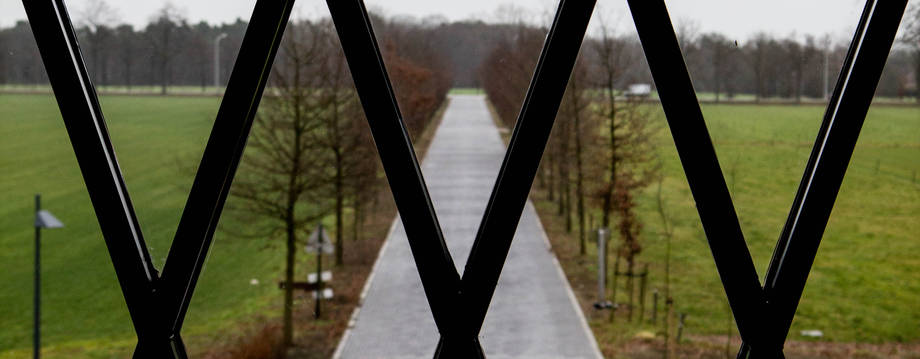
Travelling the long straight cobbled path from the main road to the gates of Westmalle monastery, the high walls with their closed iron gates loom like those of a prison. For Westmalle to be sold as a ‘Trappist’ beer, it must be brewed within these ancient walls, yet there is no outward sign of activity, save for the pungent aroma of hops hinting that prayer is not the only thing going on inside.
The monks of Westmalle spend much of their day in quiet contemplation of scripture, pursuing a more complete understanding of themselves and God. As I arrive, they are about to begin their afternoon service in the cathedral which sits at the heart of the monastery, and kindly invite me to attend. The brothers file in (only 12 of around 20 today – there’s a flu going around) and begin their chanted prayers. This, I’m told, would usually be accompanied by music, but the organist is one of those confined to his bed, so the combined voices fill the space. It’s a genuine and very welcome moment of reflection during a busy week.
Like many other monastic orders, the Trappists of Westmalle have traditionally tried to be self-sufficient. They have farmed the land here since before the monastery’s founding, but have also run a blacksmith, baker and school at various points in its history, depending largely on the skills and interests of the individual brothers.
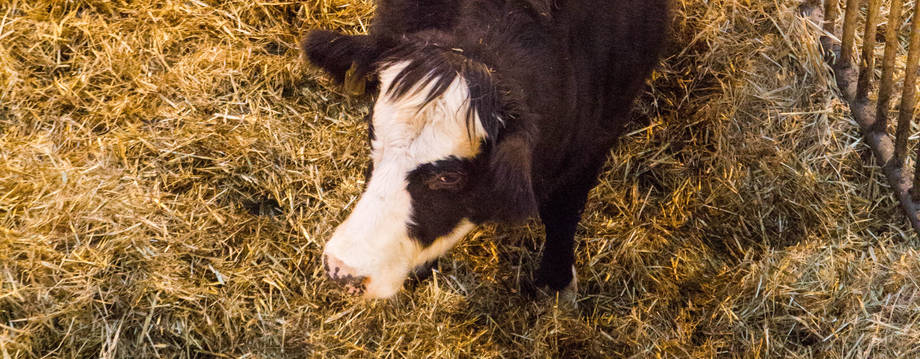
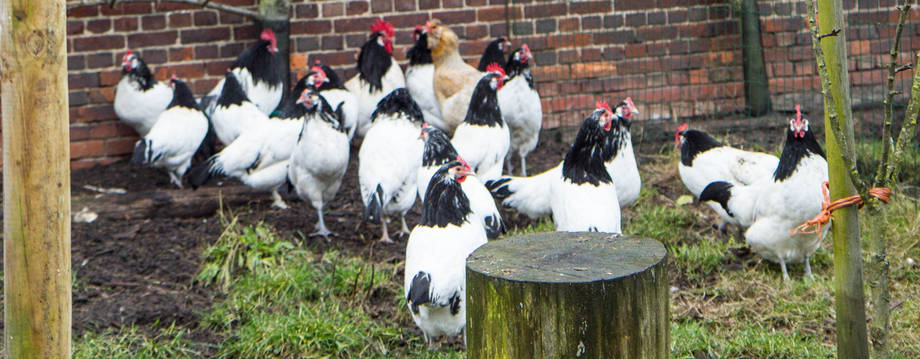
Today Westamalle has a small bakery supplying bread for the monks and local shops, a dairy herd, whose milk is used in the on-site creamery to make sweet, nutty cheese, a coop of (very) free range chickens and a flock of sheep.
The grounds and red brick buildings are beautiful and obviously well-tended, from the guest house – used by pilgrims and those seeking a little peace from the world – to the neat field of simple white crosses that mark the final resting place of every monk to have called Westmalle home.
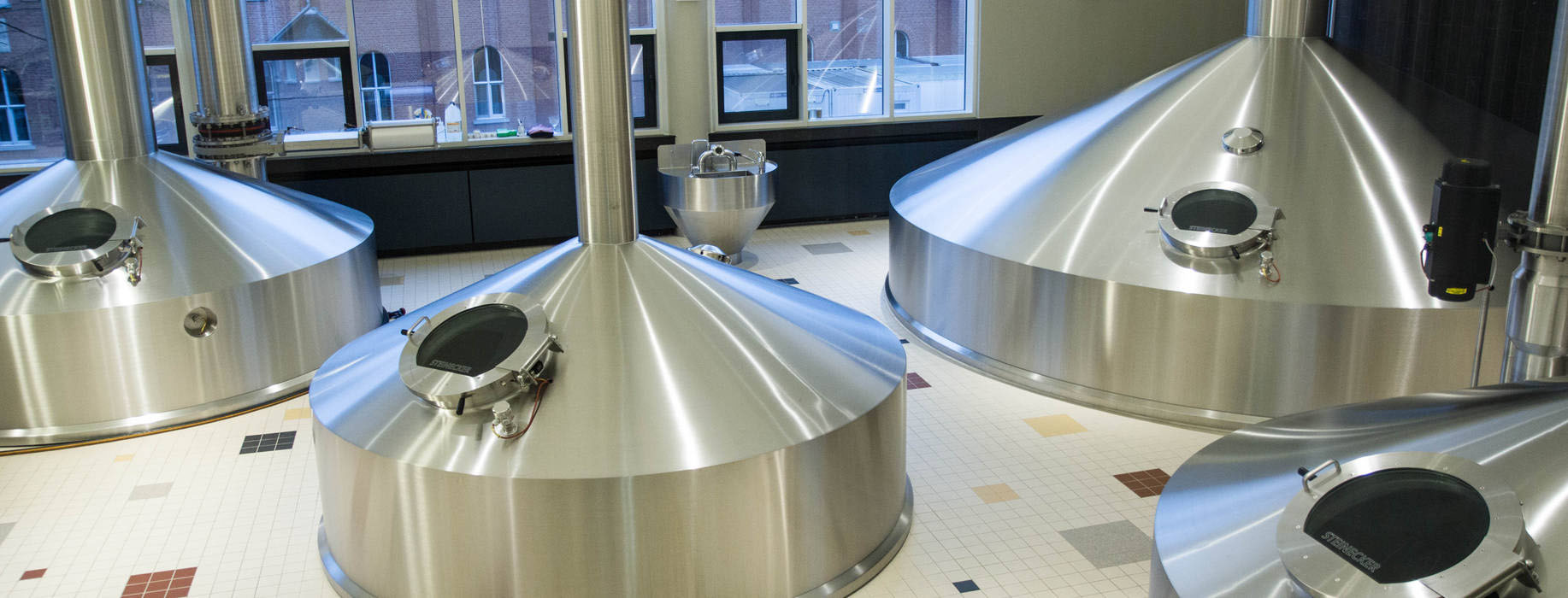
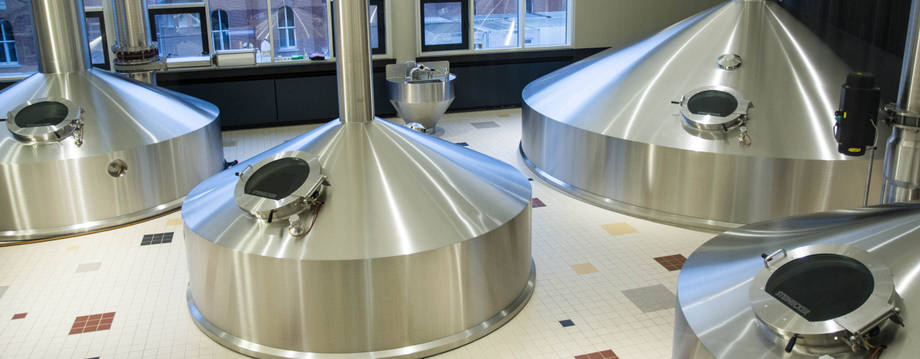
But it is the brewery – and its famed Dubbel and Trippel beers – for which Westmalle is best known, and which I am anxious to see first-hand. The brewery itself is largely housed in a 1930s building in the western corner of the monastery complex. The old copper brew kit, recently decommissioned, sits sad and diminutive next to the brand new gleaming, highly automated Steinecker setup. The bottling hall next door is equally high tech, requiring only five members of staff to oversee the automated line.
In short, Westmalle is a mid-size brewery (large, by craft standards) producing the same highly consistent beers day in, day out. It is thoroughly modern, with a high degree of automation, and those few keeping the machinery running are professional brewers, with not a cassock in sight.
Yet this is far from the complete picture. The high-tech bottling line, for example, is over-specified for the volume of beer produced here, simply to ensure the staff working on it can get home to their families a little earlier. All profits from the sales of Westmalle are either invested back into the brewery or (the majority) into charitable causes and the local community.
A little history is important to understand this setup. Around 20 years ago, the monks faced a difficult dilemma. The brewing business had become so complex, both technically and commercially, that they needed to either sell it off and collect a fee for the continued use of the name, or keep it within the ownership of the monastery but under a radically different organisation. They went for the second option, and brought in an experienced team to run the brewery day-to-day under their continued governance.
“It’s very important to understand that Westmalle is not just a commercial façade,” explains marketing and export manager, Manu Pauwels. “It’s an abbey with an on-site brewery. It’s still run by monks; not on a daily basis, you understand, but they organise and control the business from the board and they’re the only owners. Once a month we present our plans, get feedback and we talk regularly between those meetings too.”
Far from being a simple marketing nicety then, the monks who live, work and pray around the brewery are an integral part of its business and continue to direct its priorities. This is why you will never see Westmalle running flashy advertising campaigns, cutting prices or offering multibuy promotions. All of this, and the overarching philosophy behind every decision at Westmalle, comes from the monks.
As a bastion of tradition and solidity then, what does Westmalle make of the rash of new breweries springing up across Belgium? I ask general manager Philip.
“New breweries create a lot of attention around Belgian beer, which is always a good thing to attract new consumers,” he says. “In the end, people will always tend to try the classic in the beer landscape, so it’s good for us too.
“But of course there will be a shake out at some point, and the breweries that really produce high quality will survive and will emerge. I think for all categories that is a good thing. We’re small enough, at 120,000 hectolitres per year, that we’ll always have a place in that changing landscape; the really big brewers are I think the ones that are really beginning to worry about this new generation of consumers that are very focused on provenance, locality and novelty.”
Turning that question around I’m curious to ask Philip – who, after all, runs a brewery that sells 92% of its beer on the domestic market – what what he thinks of Belgian beer’s steadily rising status among global craft beer fans and brewers.
“In markets like the US, UK, France and Italy, we’ve definitely seen beer tastes becoming more sophisticated, which has led to a general uprating of the whole category. Where people would once only talk about pairing wine with cheese, they’re now talking about pairing beer with cheese. And if Belgian beer is being held up as a hallmark of quality, that’s obviously good for all of us.
“One thing we do need though is for labels to stay honest. It’s fine to brew in the Belgian style, but once you start misleading the consumer about what they’re drinking, then of course we have a problem.”
With such an appetite for all things Belgian and beery though, surely there must be some temptation for Westmalle to venture beyond its two styles and appeal to a market hungry for novelty?
“Of course it’s tempting,” Philip responds, “but I always say to our head brewer ‘your greatest talent is producing the same high quality beer every single day’. We’ve upgraded our brewkit and of course natural ingredients are always variable, but our beer stays 100% consistent. That’s craft.
“I can understand why some brewers want to change everything every six months. They see a beer market that’s changing very quickly, and their desire to explore sometimes comes at the cost of consistent quality. There’s certainly a place for that, but a place like Westmalle tends to make you think in terms of the infinite.”
Still contemplating this, I bid my farewell to Westmalle, but not before picking up a few bottles of the monastery’s secret third style, ‘Extra’, brewed only for the monks themselves. One to share back at Ferment HQ, I think.
Share this article
You’ve reached your limit of 5 free articles this month.
Unlock unlimited access and more

Join Beer52 and get your first month half price
-
Get your first box for £13.50 (RRP £27).
-
8 beers & 2 snacks delivered monthly.
-
Printed Ferment magazine included.
-
Unlimited access to all online content.