WILD STYLE
Richard Croasdale catches up with the doyens of UK wild brewing to talk yeast, consistency and their sometimes irreverent culture of innovation
Richard Croasdale
Tuesday 02 June 2026
This article is from
The Future of Craft Beer
issue 8
Share this article
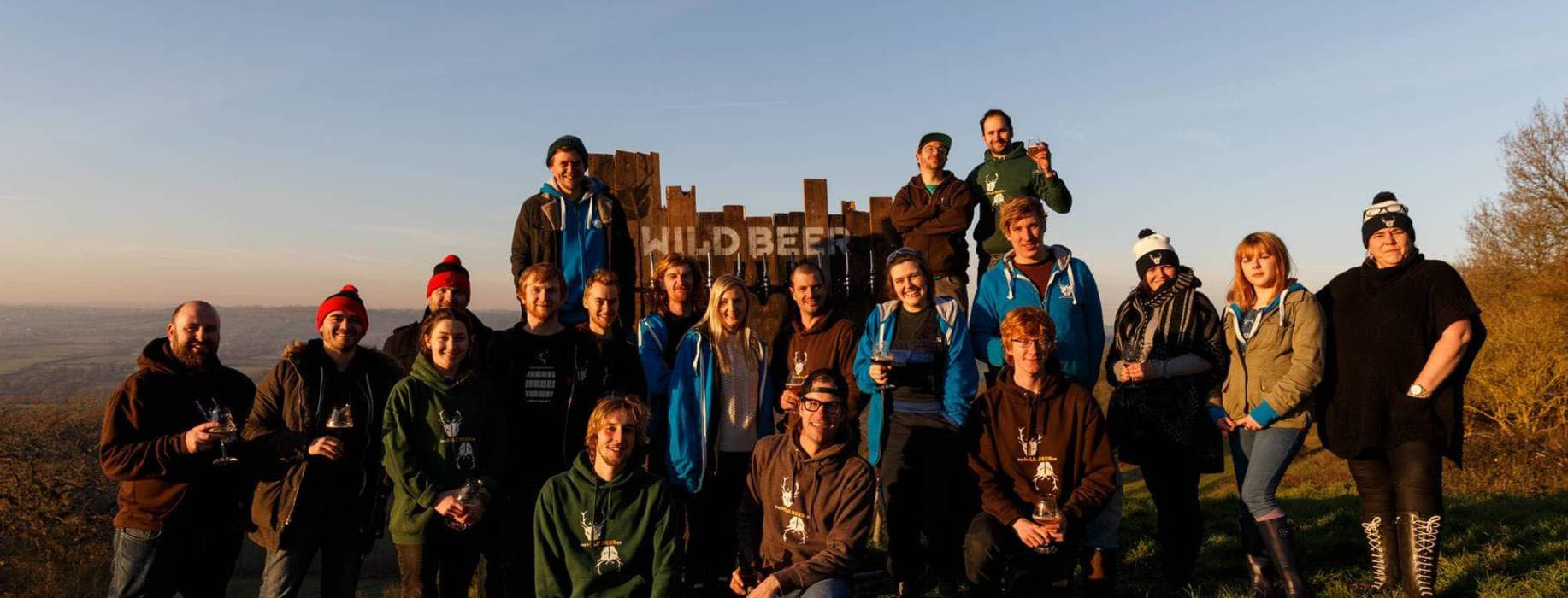
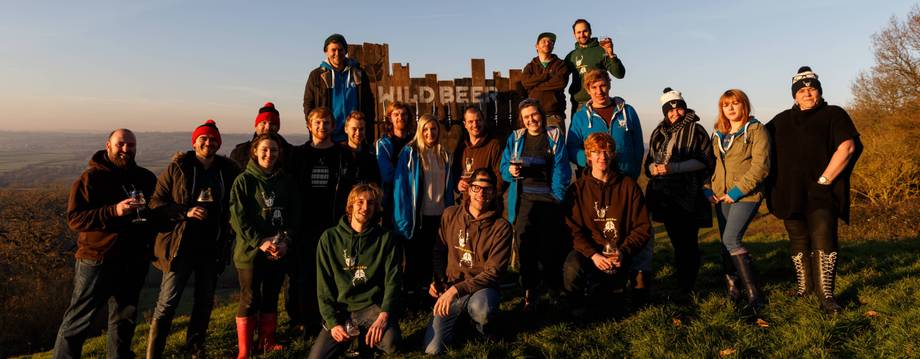
Arguably the UK’s most innovative user of wild yeast, Wild Beer Co has shot to prominence since it opened its doors in 2012, garnering rave reviews and a cult following.
Having become frustrated with their previous employer’s insistence on sticking with a couple of standard yeast strains, Wild co-founders Andrew Cooper and the aptly-named Brett Ellis set up on their own, with few resources and a lot of ideas.
“We essentially had creative ideas that went beyond what anyone in their right minds would let us do in their brewery,” recalls Andrew. “We wanted to use different yeasts and barrel age with unusual ingredients. Back in 2011, the yeast side of things – which is what really inspired and intrigued us – just wasn’t a focus in the UK. Everyone was still playing with hops.”
The guys knew from their experience – Andrew on the sales side and Brett on brewing – that it was best to start as big as you could afford. So they put everything behind the gamble that their fascination with wild yeast and unusual styles would catch on with an increasingly sophisticated beer-drinking public.
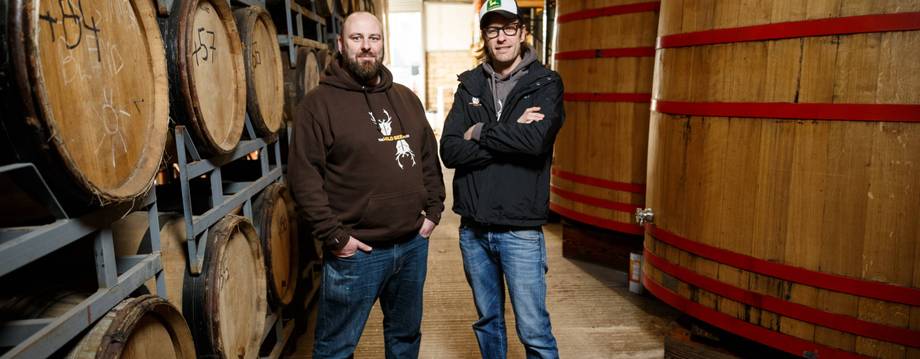
“I knew Brett could make great beer and he was confident I could sell it, so that naive confidence carried us through. I have no regrets from those early days, and we certainly couldn’t have grown any faster than we did. It was a learning curve, but we have a culture here that says we can never know everything there is to know, that there’s always more to learn. That continues to this day.”
Andrew says Wild’s process is, and always has been, a balance of science and art. The entire team understands the materials it’s working with, but with something as unpredictable as wild yeast, craft and instinct also play a huge role.
“It can always surprise you. In the early days we did lots of small trials; fermenting five litres, taking wort off different beers and combining them with different yeast strains at different temperatures. It’s informed trial and error. Witchcraft, backed up by knowledge,” he says.
A good example of this is when Wild teamed up with an enthusiastic team of researchers at Bath University, who analysed a sample of yeast originally harvested from the skin of local apples. They were only able to identify around 25% of the yeast strains – the rest remain a delicious mystery.
Most of Wild’s yeast was originally harvested in this way – from the skins of locally-grown fruit. These are then cultured and kept going in much the same way as making sour dough; a beer is brewed with the yeast and put into oak, then used to inoculate the next batch.
“We can’t make traditional lambic like Cantillon might – we don’t have the right conditions in the brewery,” admits Andrew. “So we do our wild stuff in our wild way. In time, maybe we will manage to find a bit more space to explore other techniques.”
Just now though, Andrew and Brett are kept busy with a wide and ever-changing range of beers, expanded from their first, Modus Operandi (which Brett still describes as “the beer the brewery set out to discover”). Modus Operandi is also a great example of one of Wild’s other defining characteristics; what Andrew calls its “consistent inconsistency”.
“It always surprises us in some way. We work to certain parameters on all our beers, and they’re a lot tighter on your IPAs than they are on a beer like MO. Every time we do a blend – and we’re maybe blending 25 oak barrels of it at a time – we have a bottle from the previous couple of batches there to use as a reference alongside it.
“We approach a number of our sour beers and wild beers like that, more like an artisan cheesemaker, where you accept your spring milk is going to have different flavour characteristics to your autumn milk. We know that if we age a beer through the winter versus through the summer and we don’t temperature control the barrels, the seasons are going to have a different effect on the beer. It would be ridiculous in a way to try and produce endlessly consistent beer in that style. So we embrace that.”
In addition to its use of wild yeasts, I’m keen to discover if Andrew sees the brewery’s wider stylistic decisions as “wild” in the sense of subverting tradition and using odd flavour combinations.
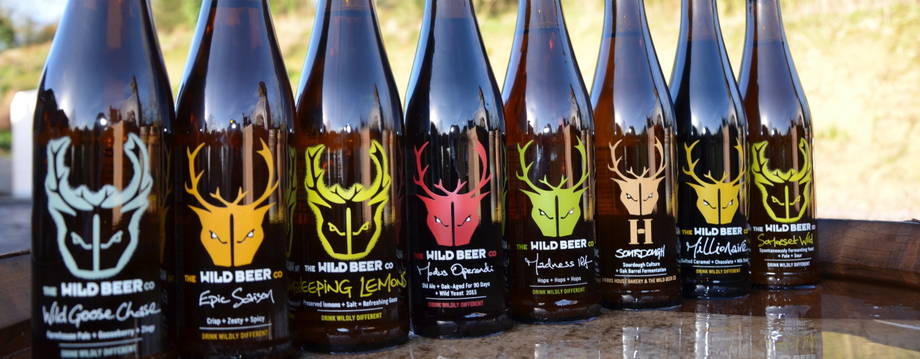
“I’ve always hated beer styles as a thing,” he answers. “So often, a style comes out of one example of a beer. The classic one is Rodenbach, who define Flanders Red as exactly the way they make their beer. Basically, according to them, nobody else can make Flanders Red. Things like that are so arbitrary.
“We’ve approached making beer by engineering backwards to come up with a flavour concept first, rather than some rigid style definition. We never come into work and say ‘let’s make a porter’. Instead we’ll say ‘I ate a desert last night and it was a great combination of liquorice and fig’ and from there we try and make a beer that comes from a combination of those flavours.”
As Wild has grown, it has sought to foster a collaborative culture among its staff, so that anyone can chip in with new flavour ideas or take the reins on specific projects. Each January, Brett and Andrew organise a “creative beer trip” with a focus on fresh ideas and experimentation.
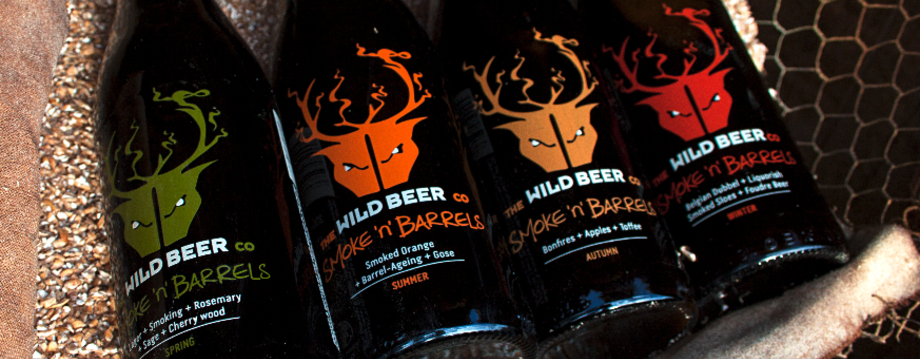
“The genius of Brett is taking crazy ideas and turning them into beers that people want to drink. But plenty of people in the team have influenced our beers. For example, our smoke ‘n’ barrels series this year came from one of the guys who came to us last year and said “I’ve got this concept” and then led it all the way through. They’re very invested, and we’ve tried to create that culture here.”
Share this article
You’ve reached your limit of 5 free articles this month.
Unlock unlimited access and more

Join Beer52 and get your first month half price
-
Get your first box for £13.50 (RRP £27).
-
8 beers & 2 snacks delivered monthly.
-
Printed Ferment magazine included.
-
Unlimited access to all online content.