Beer with a heart
We all know the social power of a pint, but some beers have greater ambitions for changing the world
Richard Croasdale
Tuesday 02 June 2026
This article is from
Christmas 2016
issue 7
Share this article
If you’re a craft brewery and your whole ethos is based around providing the best drinking experience for your customer, then you will probably see a good culture all round
Anyone who has attempted home brewing will confirm that making a good beer is difficult enough. Yet some brewers, presumably dissatisfied with this challenge, then set out to make ‘good’ beers too; beers that raise awareness, fund life-saving research, build wells in the poorest parts of the world. Beers that are, essentially, more than beers.
Alan Mahon, founder of Brewgooder believes there is something in the way we enjoy beer that makes it uniquely appropriate for this kind of ambition.
“There’s so much power here, potentially, because beer is so inherently social; even more so when you look at craft rather than the mainstream industry. When you think about drinking beer, you’re with your friends, buying each other rounds. It’s something that connects people, allows them to share their stories and perform small acts of generosity. So, coming to this as a drinker rather than a brewer, I saw beer as a potentially massive force for good.”
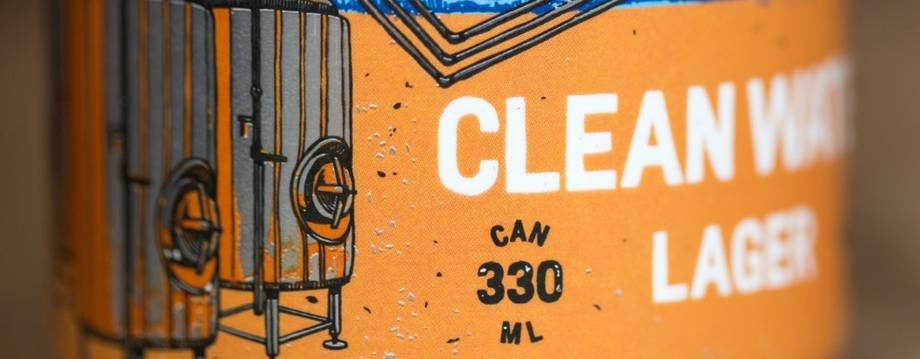
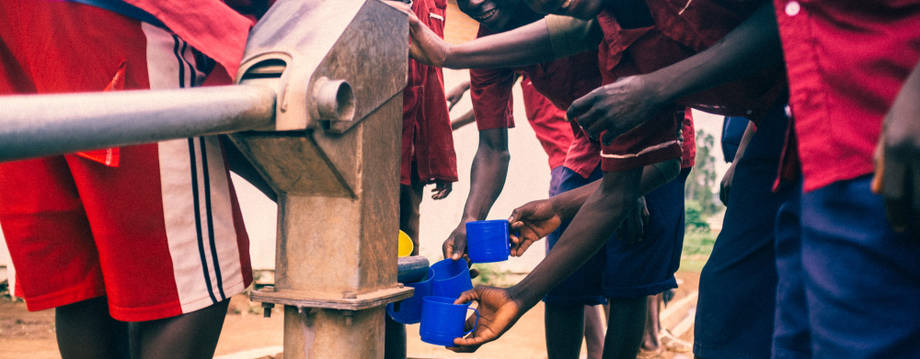
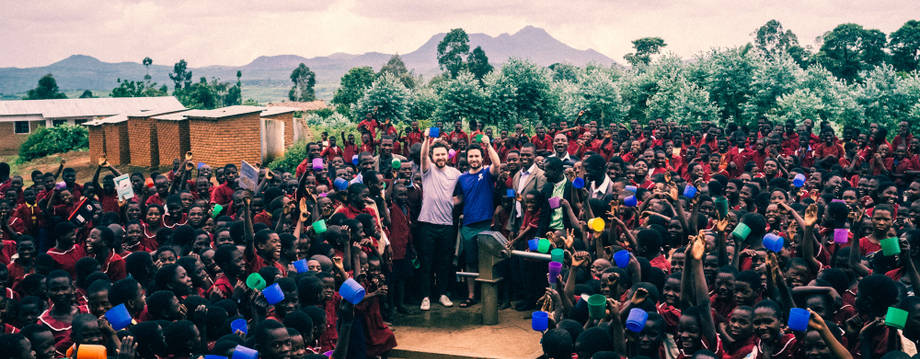
In the case of Brewgooder, this realisation led to the creation of Clean Water Lager, a beer dedicated to providing a source of clean drinking water to one million people who currently take their life into their hands every time they take a drink. Brewed in partnership with Brewdog, 100% of Brewgooder’s profits go into working with NGOs on projects in developing countries.
A similar setup is in place at London’s Two Finger Brewing Co, which donates its profits to Prostate Cancer UK, helping the one in eight UK men who will be affected in their lifetime (check your stones chaps). As co-founder Matt Sadler says, although the beer came before the idea, the brewing side had to be up to scratch for the venture to work.
“We’ve always known that no one wants a bad beer, no matter how much good it does in the world, so the two have to work together. What we’re bringing people is better beer, in every sense of the word. So, while we were pleased as punch to win a Nectar Small Business Award for Contribution to the Community, we were even more delighted to win a Great Taste star, a couple of medals in the International Beer Challenge and an International Beer Award for Aurelio.”
Where Brewgooder and Two Fingers wear their hearts very much on their sleeves, other breweries with a social goal prefer to keep a greater degree of separation between the beer and the good works. New York’s Sixpoint brewery – cited by Alan as inspiration for Brewgooder, because of the quality of its beers – has its own animal welfare scheme and annual shindig, Beers for Beasts, which raises money for the New York Humane Society.
Each year, Sixpoint holds a huge event – with 800 paying guests – featuring live entertainment, food stalls and 45 custom beers, all produced by the brewery specifically for the day. It’s a huge undertaking which could easily distract from the day-to-day graft of running a successful brewery, but Sixpoint’s Mikey Lenane explains that it’s part of their DNA.
“It started with Shane Welch, our founder,” says Mikey. “He has two rescue dogs and, over the time at our little garage brewery, rescued three or four cats. And I think one day it struck him that we could use beer culture and everything we love about it to raise some money. It’s turned out to be something a lot of people can support.”
However, while community support has driven the success of both the brewery and the annual event, Mikey admits they have always been wary of making that link too overtly.
“We make sure not to blast Sixpoint all over that festival. We use our social accounts to promote it, our fans know we do it, but we want to make sure that nobody gets the wrong idea about our motivations. Because it does help the brand, of course, but it’s not why we do it. And to be honest, brewing all those new beers each year is such a lot of work that it probably wouldn’t make sense as a commercial exercise anyway!”
Mikey touches on an interesting point here, which is repeated by Alan: like a social enterprise in any industry, these breweries are instinctively comfortable with having more than one bottom line. The ability to pay your staff and fund growth are important, of course, but success can be measured against other less tangible social criteria too.
I put it to Alan that the very nature of craft brewing – where quality and the idea of serving a community are often genuinely more important than profit – makes it easier not only to pursue charitable goals, but also to be a more ethical business day-to-day.
“I wouldn’t say that you have to be giving away all your profits to be an ethical business,” he says. “I mean, the guys at Brewdog have the most remarkable values and they’re not necessarily driven by any social mission. But I agree that if you’re a craft brewery and your whole ethos is based around providing the best drinking experience for your customer, then you will probably see a good culture all round. Whether that’s in terms of how you source materials, treat your staff or work with other businesses. You need to have your heart in the right place to be a good craft brewer.”
Matt agrees: “We’ve met loads of craft brewers since starting Two Fingers and have always found them to be extremely warm and passionate people, who do what they do for the love of it – not just to make money. I think it’s this sense of love, care and passion that is fuelling the growth of social enterprise beer.”
Even outside the craft world though, this sense that beer can and should benefit the wider community still seems pervasive. Heineken in particular has a reputation spanning decades for its charitable work, which encompasses everything from partnering with major non-governmental organisations (NGOs) to donating cash and resources to the tiniest local charities.
One of the company’s most eye-catchingly creative initiatives dates back to 1963, when Alfred Heineken saw that one of his main waste products – the beer bottle – could be used to tackle a serious social problem in developing countries. His idea came after visiting the Caribbean and noticing the beaches were strewn with empty beer bottles, yet the poorest struggled for affordable building materials.
These seemingly unconnected problems inspired Heineken, working with Dutch architect John Habraken, to create the WOBO (world bottle, pictured). The “brick that holds beer” was designed to lay horizontally and interlock, in much the same manner as traditional bricks and mortar, and was years ahead of its time in terms of ecologically sensitive construction.
Sadly, the idea never took off, and the only structure made from the initial run of 100,000 WOBOs is a shed on Heineken’s estate in Noordwijk, Netherlands.
Such ambitious but ultimately unsuccessful projects aside, it’s hard to say how much impact the work of a few brewers really has on a world so full of deserving causes. This doesn’t seem to deter the brewers themselves though; on the contrary, the more success they have, the more they seem to want to reach out and make a difference.
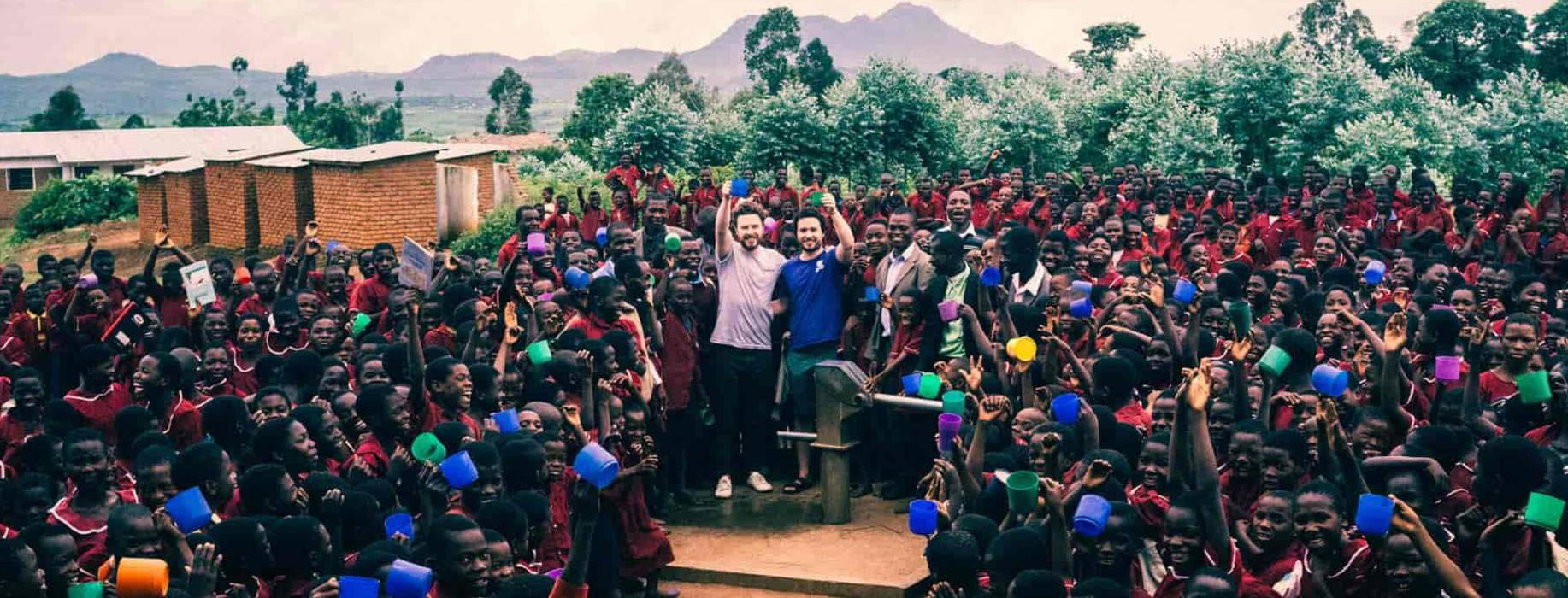
“It’s hard to quantify whether you’re making a difference until you actually see it first-hand,” says Alan. “We went out in February and saw what clean water can do for a community, and we’ve funded three or four projects since then. That’s thousands of people, whose lives we’ve had the opportunity to improve in the most fundamental way possible. Genuinely, I feel if we’d only been able to build one well from this, then we’d have done some good.”
Mikey also sees much more that Sixpoint can do to help: “We know we’ve hit on a formula here that works. There are some little tweaks we need to make, but our plan is to scale it up over the next few years. You’ve got all these hundreds of beer festivals every weekend, but we think Beer for Beasts is a very different kind of experience. We’d like to work with the Humane Society to take that beyond New York, and one day even give the charitable side its own organisation to run things. This could be huge.”
The spirit that makes craft beer such a great movement to be part of – that sense that if something is good enough then people will recognise it, no matter how small you start – is driving some truly inspiring social enterprises, making a real difference to people’s lives. Or, as Two Fingers’ Matt puts it, “people love the idea that they can help save lives just by sinking a cold one”. It’s hard to argue with that.
Share this article
You’ve reached your limit of 5 free articles this month.
Unlock unlimited access and more

Join Beer52 and get your first month half price
-
Get your first box for £13.50 (RRP £27).
-
8 beers & 2 snacks delivered monthly.
-
Printed Ferment magazine included.
-
Unlimited access to all online content.