Sherry Bomb
Think you know sherry? Think again. The syrupy fortified wine of Christmas past is a poor substitute for the real thing. Gavin E Smith takes us on a journey of discovery to meet the master craftsmen of Jerez

Gavin E Smith
Tuesday 02 June 2026

This article is from
Christmas 2016
issue 7
Share this article
For many of us, the mention of ‘sherry’ and ‘Christmas’ in the same sentence brings back childhood memories of auntie opening a sideboard cupboard and bringing out an elderly bottle of Croft Original, Emva Cream or Harvey’s Bristol Cream, before pouring thimblefuls of the sweet, sticky liquid for everyone to celebrate the occasion.

Indeed, there was a time when Britain was the world’s leading consumer of sherry, which was one of the reasons why the Scotch whisky industry traditionally used so many ex-sherry casks for maturation. Sherry is actually one of the world’s oldest wines, and was produced during the Moorish occupation of Andalucia prior to 1231. At that time, Jerez – in whose environs all sherry must legally be produced – was known as ‘Sherrish.’ The first record of sherry in Britain dates from 1340, and by the 16th century Spanish producers exported large quantities to our shores.
The Eighty-Year War (1568-1648) soured Anglo-Spanish relations and led to a sherry drought in Britain. So it was that when Sir Francis Drake attacked the port of Cadiz in 1587, one of his principal aims was to get his hands on some. He actually did rather well, returning in triumph with 2,900 butts of it!
From then onwards, sherry was a true British favourite, though the kind being imported differed from the light, dry style being consumed in its homeland, as the British palate liked it rich, dark, sweet and heavily fortified. Leading sherry producer Gonzales Byass – with a history dating back to 1835 – did not import its first dryer Fino sherry to the UK until 1844.
This style was destined to remain a very minor British player, and Julian Jeffs, author of Faber & Faber’s Sherry, declares that “In 1901, sherry had no champions amongst the young, and was drunk indiscriminately with mediocre meals by elderly ladies up for the day from the country.” Tastes really did not alter until very recently, as evidenced by the ubiquitous bottles of Croft, Harvey’s and Emva Cream produced when the vicar called or the Yuletide season came upon us.
Times have changed, however, as British consumers have finally realised sherry can be an extremely versatile drink, and the trend for tapas bars has encouraged experimentation with different styles. Additionally, dedicated sherry bars have sprung up in a variety of locations, while retailers, including the supermarket chains, have begun to take sherry seriously.
It is fair to say that there is a sherry for every palate, occasion, climate and time of day. Sherry’s versatility is born of its ability to marry with countless dishes. It can be enjoyed as an aperitif, a cocktail or as a dessert, while pairing well with each course of your meal. How, you may ask? The answer is because there is such a variety of styles, from the bone-dry to the sticky sweet so beloved by generations of British tipplers, with all grades in between.
Sherry these days doesn’t even wish to be referred to as ‘sherry,’ but rather as fino, oloroso, amontillado and so on. This not only avoids any negative connotations associated with the word sherry, but also helps cement its position as a wine style, such as chardonnay or merlot.
Sherry is produced in the Jerez region of southern Spain, the country’s oldest wine-growing area. All sherry must, by law, be made from grapes grown there, and the sherry itself has to be aged in the region. With sherry now recognised as coming from a DO (denominacion de origin) the days of Cyprus sherry and even Irish sherry (yes, really) are at an end.
Sherry’s denominacion de origin embraces three specific areas, namely Jerez de la Frontera, Sanlúcar de Barrameda and El Puerto de Santa María. Jerez enjoys a special micro-climate because of its geographical location. The lime albariza soils which were once covered by the ocean give sherry even more style.
Harvest of the three grape varieties used for sherry tends to take place at the end of August or early September. The grapes in question are Palomino, Pedro Ximénez and muscatel, and it is use of these three exceptionally different grapes that give the broad spectrum of tastes enjoyed by sherry.
The grapes are immediately pressed after harvest to limit spoilage, except with Pedro Ximenez, as that is laid out on esparto grass to dry and intensify the sugar. The mosto de yema (must) is then transferred into temperature-controlled vats for vinification.
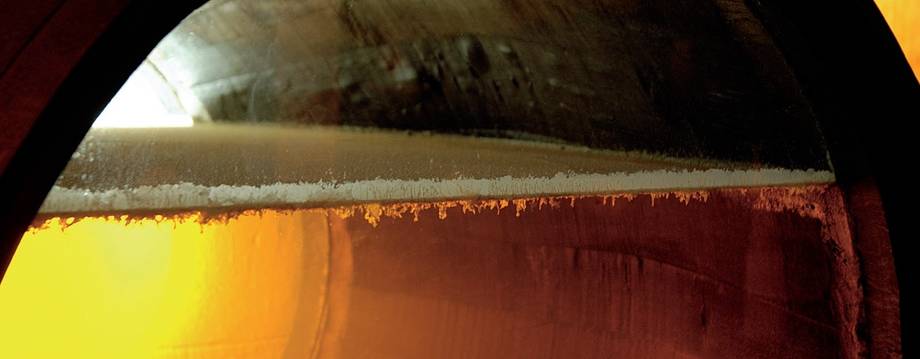
But, the secret that defines sherry is flor; a layer of living organisms (yeast) that sits on top of the wine, protecting it from any contact with the air. After the process of fermentation has finished, the wine is assessed and the style decided upon. Lighter, clear wine will be aged biologically to become fino or manzanilla. Some will go through an oxidative ageing by which the wine has direct contact with the air, making it into an oloroso.
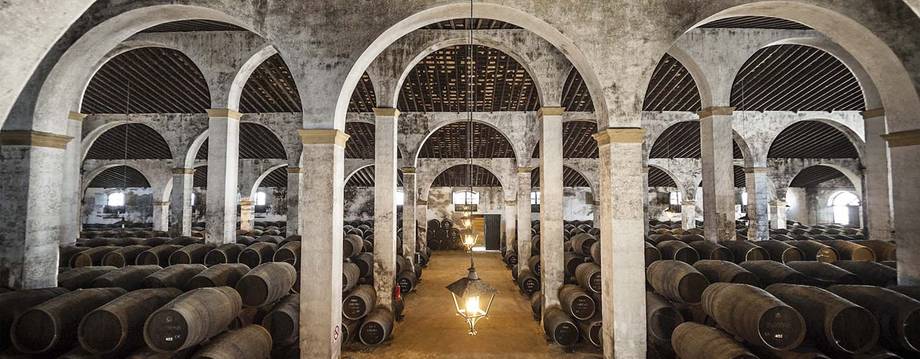
The wine/sherry is aged in American butts, then matured according to the solera and criaderas system. The butts are stacked with the oldest at the bottom. Once the sherry is taken out of the butt it is immediately filled from the butt on the next level above. This system gives the young sherry body and the older sherry youth.
Sherry has the ability to enhance the flavours of many dishes. Fino pairs well with shellfish, sushi and Iberian ham, whereas Pedro Ximénez works beautifully with ice cream and blue cheese, whilst
Palo Cortado is excellent with foie gras. The rule of thumb is: if it swims, chose a fino, if it flies, choose an amontillado, and if it runs, then opt for an oloroso. The best advice is to describe your palate to the sales person and ask them to pick a sherry that ideally suits your palate and/or the dish you may be serving.
So, without going anywhere near the ageing, sticky contents of auntie’s sideboard, it is possible to have a very sherry Christmas!
Sherry picking...
Delgado Zuleta La Goya Manzanilla (£12 per bottle)
With a slightly saline tone to the nose along with spring grass, this dry almost almond wine is intriguing. It is dry yet juicy on the palate with notes of blanched almonds, cashews and a soft note of herbs.
Don Zoilo Amontillado (£9 per bottle)
This delightful sherry has moreish notes of crushed roasted hazelnuts and figs with a lick of caramel. The palate is equally delicious with a nuttier, earthy character appearing. Ideal with smoked trout.
Emilin Moscatel Lustau (£20 per bottle)
Moscatel can be quite delicate, yet this is more robust, with floral notes appearing on the nose, plus a mix of juicy raisins and figs. Although a heavier wine, it is still quite juicy. Serve this as a dessert in its own right, or with a crème brûlée. In Spain, you may find it drizzled over ice cream.
Share this article
You’ve reached your limit of 5 free articles this month.
Unlock unlimited access and more

Join Beer52 and get your first month half price
-
Get your first box for £13.50 (RRP £27).
-
8 beers & 2 snacks delivered monthly.
-
Printed Ferment magazine included.
-
Unlimited access to all online content.