From bar to the bard
London’s thriving pub theatre scene is an important showcase for new talent, both on the stage and in the glass, writes Heather Jeffreys.
Heather Jeffreys
Tuesday 03 June 2025

This article is from
Beer & Art
issue 6
Share this article
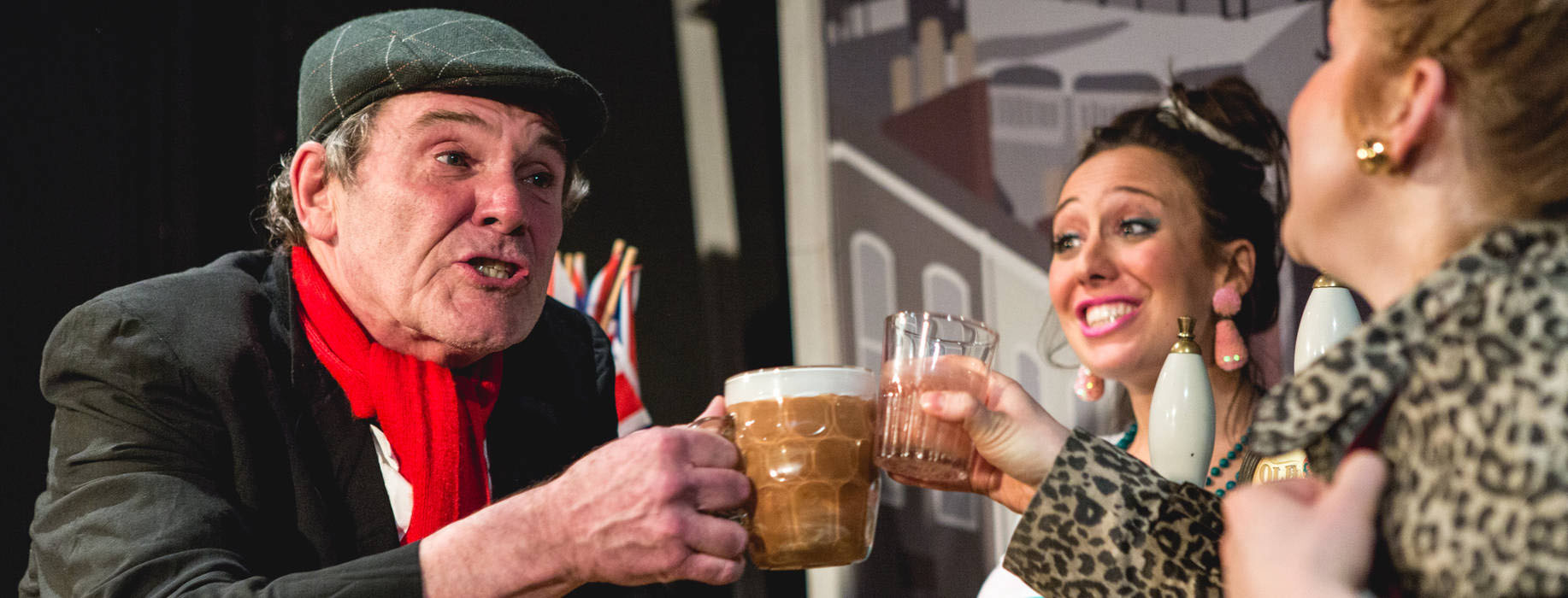
The tradition of mixing drinking with theatre is hundreds of years old. Indeed, it’s only relatively recently that theatre has been viewed as something to be enjoyed silently, let along soberly. While there are pub theatres all over the country, it is really in London where you’ll find a bona fide ‘scene’, with something to suit every taste, every night of the week.
The range is staggering, from Opera to drama, from puppet theatre to musicals, comedy to improvisation, activist to experimental. With many plays lasting only one hour, there’s still time to catch some music, have a meal and, of course, have a glass or two. Virtually all pub theatres let you take your pint into the auditorium so you can relax and enjoy the performance.
One of the major points to these theatres is that they are a platform for work that you will not see in West End theatres. At the same time, they are also a platform for theatre destined for the West End. It’s a great talking point, once the lights come up after the performance has ended, you can hear the buzz of the audience talking about what they have just experienced.
Some pub and theatre partnerships are more loving than others. Take the Jack Studio Theatre at Brockley Jack. They have won several Off West End Theatre awards for the friendliest welcome. Also winner of Best Theatre Bar (south east) in The Off West End Theatre Awards 2015, the Brockley Jack has a great family vibe but it’s equally a place where you can feel comfortable even if you’re alone.
Artistic Director, Kate Bannister explains: “the productions are eclectic, polished or raw. There is a great atmosphere; people are genuinely supportive as all the performances are at different stages of development.”
Also outstanding is Bread and Roses Theatre at in Clapham. It’s under joint management, with the company which runs the pub also running bars at the Glastonbury and Latitude festivals. As Tessa Hart, the Artistic Director explains: “We pay a very reasonable rent. The pub also benefits because the theatre brings in more custom. During the first year the pub enjoyed a 26% increase in sales.”
The one or two outfits where the pub and theatre businesses don’t get on so well do struggle. But when it works well, the pubs finds itself powerfully repaid in repeat custom, as well as pre and post theatre dining. The Hope Theatre is a great example, with the attached pub going all-out to publicise its connection and gets bums on seats. Assistant Director Matthew Parker says: “It’s brilliant working in a pub, wonderful”. He has built a great relationship with James the landlord, based on mutual trust.
Ticket prices are anything between £5 for start-up company shows to £25 for more established companies with a full production. The standard can vary enormously but the spirit is always to go along and try something new. It’s an opportunity to discover that radical new piece of theatre, or that extra-ordinarily talented actor.
You will often feel intimately involved in the performance. Tessa Hart, Artistic Director of the Bread and Roses puts it this way: “Pub theatres are very close to the people, very close to the audience; you can play into their eye. The pub is such a hub for the local community so to have a theatre just above that, it’s a really nice thing. You don’t get the culture of pub theatres in other countries, it’s something quite Britain-specific.”
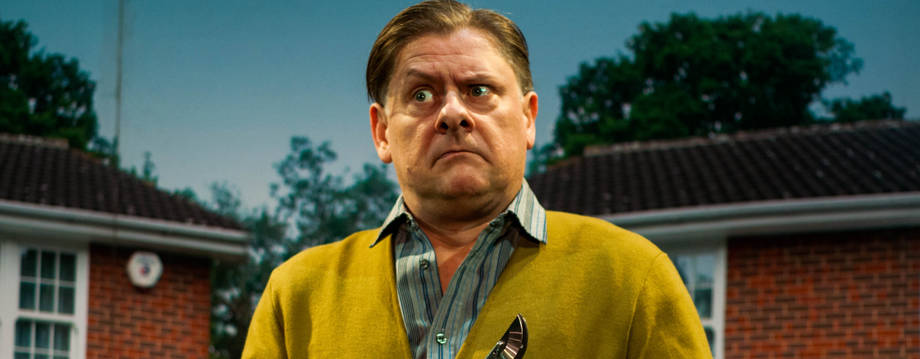
There is a can do attitude in the best of these theatres. At the Jack Studio Theatre one visiting company wanted water to shower over a 15-foot-long table. This needed a water tank, piping, a trench for collecting the water and expert timing. Karl, the manager at Jack Studio theatre said “The company did a terrific job. It looked spectacular.” They have to assess risk, and take safety measures. Sometimes they have to draw the line though; they decided to say no to a flaming trench.
With theatres needing to raise significant sums just to cover their costs, they have to be serious about tickets sales and fund-raising while expecting no revenue from sales of beer. Many pub theatres such as King’s Head and The Hope (both in Islington) have Friends Schemes which enable you to make a donation in return for priority booking and other perks.
Pub theatre venues are very important as a showcase for Britain’s emerging talent as well as more established theatre professionals. Shockingly, not all will get paid for their work, so it is particularly encouraging that more and more pub theatres and the companies that work in them are paying wages as their audiences continue to grow.
Indeed, many pub theatres gain accolades for the productions they mount or host. Some of the real powerhouses, which currently have productions which started at their venues but are now in the West End or touring, are Theatre 503 above the Latchmere pub in Battersea (And Then Came the Nightjars), The King’s Head (Trainspotting and F*cking Men) and the Finborough in Earl’s Court (Operation Crucible and It is Easy to be Dead). Other established theatres whose productions progressed to be seen by a larger audience, are The Gate, and Old Red Lion Theatre (Islington).
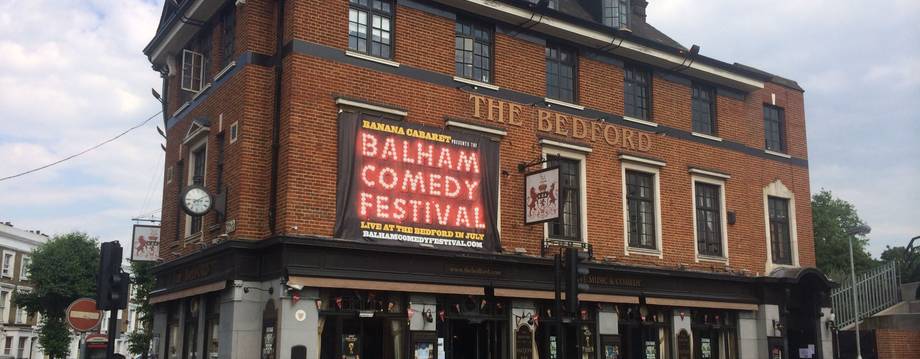
At the other end of the scale are the new kids on the block, Theatre N16 (at The Bedford, Balham) and Bread & Roses. Jamie Eastlake (Assistant Director of Theatre N16) says he likes to do stuff which “sticks its middle finger up to things I don’t agree with, but like programming work that is just across the boards”. He believes that “every good piece of theatre is political in a sense … we’re above a pub, isn’t that the place …?”
Rebecca Pryle, manager of Bread and Roses says: “it’s one of the last hubs of community pubs and then you’ve got the theatre crowd, different spaces where different people can be and it all works really well together.”
There are many fringe theatre festivals in which pub theatres make a big impact. The largest is Camden Fringe which started at Etcetera Theatre (Camden) – one of the most valuables theatres for start-up companies, giving them affordable opportunities to showcase their work.
There is certainly something for everyone, with options including Opera at King’s Head Theatre and musicals, at Upstairs at the Gatehouse (Highgate). Some theatres have a particularly eclectic programme. AD of the Finborough, Neil McPherson says: “a lot of new plays will be raw and messy … usually they’ve got guts.” It’s also about keeping it open and accessible.

Others have specific ‘relaxed’ performances. Most recently at Theatre 503, some performances of a show dealing with autism were designated ‘relaxed’ to encourage accessibility. Other theatres also feature relaxed, cabaret-style performances, in which audience members are invited to top up their drinks or go for bathroom breaks at their leisure. Canal Café Theatre, above Bridge House Pub in Little Venice, particularly favours this format, as do some improvisation-focused spaces such as The Cog Artspace above the De Beauvoir Arms pub in Haggerston.
Pub theatres are important for fermenting emerging writers, actors, directors and other theatre professionals. Some theatres pride themselves on their educational work, including The Gate – the only pub theatre to receive Arts Council found. Many venues nurture new talent, with pioneering trainee director schemes, new writing festivals, and other programmes.
The buildings are continually evolving and making improvements. White Bear Theatre, which has been completely redeveloped, is reopening this month.
The sheer range of what’s on offer, not to mention their large and growing audiences, is a testament to the health of the London pub theatre scene. A truly symbiotic relationship, both pub and theatre benefit from increased footfall and access to new customers. The real winners though are undoubtedly the audiences themselves.
Share this article
You’ve reached your limit of 5 free articles this month.
Unlock unlimited access and more

Join Beer52 and get your first month half price
-
Get your first box for £13.50 (RRP £27).
-
8 beers & 2 snacks delivered monthly.
-
Printed Ferment magazine included.
-
Unlimited access to all online content.